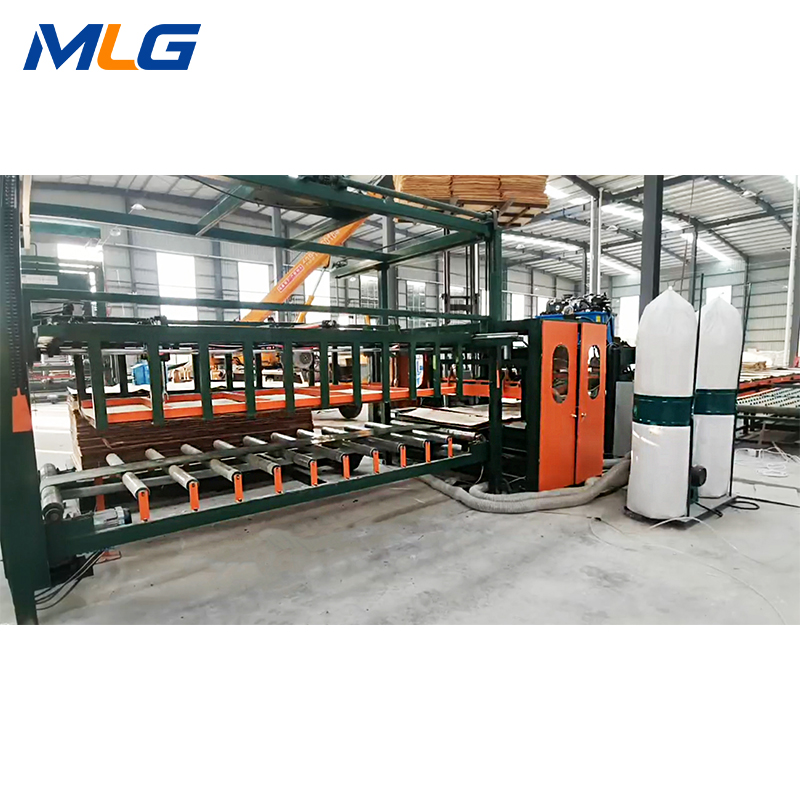
Essential Guide to Veneer Dryers for B2B Buyers

application/veneer-dryers, application/veneer-dryers, 
Inquiry
Inquiry

Veneer dryers

Veneer dryers are crucial machines in the wood-based panel production industry, designed to efficiently remove moisture from wood veneer sheets. For B2B buyers, including purchasing managers and engineers, understanding the specifications and operational capabilities of veneer dryers is essential for making informed purchasing decisions. This article will explore critical aspects such as specifications, key buying factors, reliable suppliers, cost considerations, and common issues associated with plywood dryer machine to aid in effective procurement.

Evaluating the Quality of Veneer Dryers for Bulk Purchase

When evaluating veneer dryers, several key factors can guide buyers in their decision-making process: 

Application Requirements: Consider the specific type of veneer being dried, as different wood species may require varying drying conditions. For instance, hardwoods may necessitate different handling compared to softwoods. 

Customization Options: Some manufacturers offer customization capabilities to tailor the veneer dryer to the buyer's unique production needs. Discussing customization options early in the purchasing process can yield a machine that better fits operational requirements. 

Lead Time and Delivery: Understanding the lead time for production and delivery is essential for planning. Buyers should confirm these timelines early to align with their production schedules. 

Supplier Reputation: Evaluating the reputation of the supplier or manufacturer is crucial. Look for companies with a proven track record in the industry, positive customer reviews, and responsive customer service. 

Technical Support and Maintenance: Reliable technical support and maintenance services can significantly influence the longevity and performance of the veneer dryers. Buyers should inquire about post-purchase support and maintenance agreements. 

By considering these factors, buyers can make well-informed choices that support their production processes and overall business objectives.

Cost Factors to Consider When Purchasing Veneer Dryers

Finding reputable suppliers of veneer dryers involves several strategies: 

Industry Trade Shows: Attending trade shows focused on woodworking machinery and technology can provide valuable insights into different manufacturers and their offerings. This allows buyers to see the veneer dryers in action and engage directly with suppliers. 

Online Directories and Marketplaces: Websites that aggregate manufacturers and suppliers can be useful for discovering new vendors. Look for platforms that specialize in industrial equipment to find suppliers with a focus on veneer drying technology. 

Networking with Industry Peers: Engaging with professionals in the woodworking and manufacturing sectors can yield recommendations for trusted suppliers. Industry forums, LinkedIn groups, and associations often share insights on reliable partners. 

Manufacturer Websites: Researching manufacturers’ websites provides information on their product offerings, specifications, and contact information. Look for detailed documentation and customer testimonials to gauge credibility. 

Local Distributors: Often, local distributors have established relationships with manufacturers and can provide tailored solutions based on regional needs. They may also offer additional services such as installation and maintenance. 

By leveraging these resources, buyers can identify reliable suppliers that meet their specific needs for veneer dryers.

Applications of Veneer Dryers in the Wood Processing Industry

Cost is a major consideration when purchasing MLG veneer dryers in bulk. Here are some factors influencing pricing: 

Base Price of the Dryer: The initial cost of the veneer dryer can vary significantly based on specifications, features, and the manufacturer’s reputation. Buyers should compare prices among different suppliers while considering the features that matter most to their operations. 

Quantity Discounts: Many manufacturers offer tiered pricing, where the unit cost decreases as the order quantity increases. Buyers should inquire about bulk order discounts to optimize their purchasing budget. 

Shipping and Handling Costs: International shipping can impact overall costs, especially for large machinery. Buyers should obtain quotes that include shipping fees and any potential tariffs or customs duties based on their delivery location. 

Installation and Commissioning Fees: Some suppliers may charge additional fees for installation, testing, and training on the new equipment. These costs should be factored into the total investment. 

Maintenance and Operating Costs: Long-term costs associated with energy consumption, maintenance, and repairs should also be considered. Buyers should seek machines known for reliability and low operational costs. 

Understanding these cost considerations can help buyers make a more informed financial decision when procuring wood veneer dryer.

How to Compare Different Veneer Dryer Models Effectively

Even the most advanced MLG veneer dryers can encounter issues. Here are some common problems and solutions: 

Inconsistent Drying: Variability in moisture content can occur if the veneer dryers does not maintain uniform temperature or airflow.  To address this, buyers should ensure that the veneer dryers is equipped with effective moisture sensors and that regular maintenance checks are conducted to adjust settings as needed. 

Overheating: This can lead to veneer damage if the veneer dryers temperature is set too high. Implementing automated temperature controls can help prevent overheating, and regular calibration should be part of maintenance routines. 

Mechanical Failures: Components such as fans and heating elements may fail due to wear and tear. Regular inspections and adherence to maintenance schedules can help identify issues before they lead to downtime. 

Energy Inefficiency: If a veneer dryers consumes more energy than expected, it may be due to poor insulation or outdated technology. Buyers should consider modern, energy-efficient models that utilize improved insulation and recovery systems. 

Moisture Retention in Vaneers: If veneers continue to retain moisture after drying, it may indicate that the veneer dryers is not operating at optimal capacity. This can often be resolved by adjusting the drying time and ensuring an adequate air exchange process.  

By recognizing and addressing these common issues, buyers can enhance the performance and longevity of their veneer dryers, ensuring smooth operation within their production lines.

Key Specifications to Consider When Sourcing Veneer Dryers

When purchasing veneer dryers, buyers should pay close attention to several key specifications that directly impact performance and suitability for specific applications. 

Drying Capacity: This refers to the volume of MLG veneer that the veneer dryers can process within a specific timeframe, typically measured in cubic meters per hour. Buyers must assess production needs to determine the appropriate capacity. A dryer with insufficient capacity may lead to delays and inefficiencies in the production line. 

Temperature Control: The ability to maintain precise temperature settings is critical for effective drying. High temperatures can damage the veneer, while low temperatures may not adequately reduce moisture levels. Buyers should evaluate the temperature range and control accuracy offered by different models. 

Energy Efficiency: Energy consumption is a significant cost factor for manufacturing operations. Look for veneer dryers that incorporate energy-efficient technologies, such as heat recovery systems, which can lower operational costs over time. 

Material Construction: The materials used in the construction of the veneer dryers can affect its durability and maintenance requirements. Stainless steel components may offer better resistance to corrosion, especially in humid environments. 

Automation Features: Advanced automation can enhance drying efficiency and reduce labor costs. Buyers should consider dryers that feature automated controls, moisture sensors, and data logging capabilities to monitor performance. 

Understanding these specifications can help buyers identify the right roller veneer dryer that aligns with their production goals and quality standards.

Get a Free Quote

Our representative will contact you soon.
0/1000