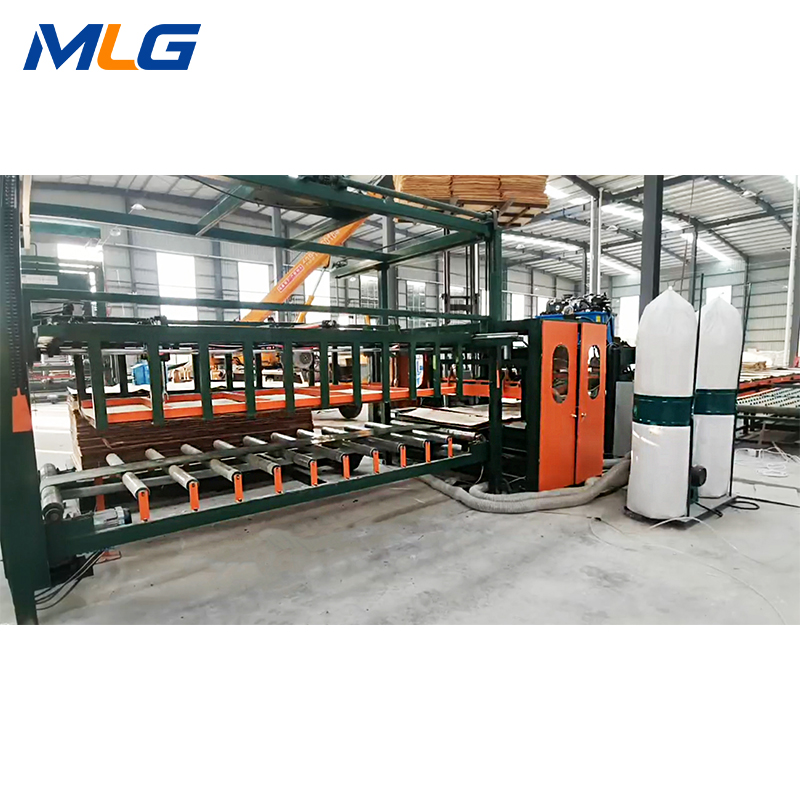
How to Compare Different Veneer Dryer Models Effectively
Even the most advanced MLG veneer dryers can encounter issues. Here are some common problems and solutions:
Inconsistent Drying: Variability in moisture content can occur if the veneer dryers does not maintain uniform temperature or airflow. To address this, buyers should ensure that the veneer dryers is equipped with effective moisture sensors and that regular maintenance checks are conducted to adjust settings as needed.
Overheating: This can lead to veneer damage if the veneer dryers temperature is set too high. Implementing automated temperature controls can help prevent overheating, and regular calibration should be part of maintenance routines.
Mechanical Failures: Components such as fans and heating elements may fail due to wear and tear. Regular inspections and adherence to maintenance schedules can help identify issues before they lead to downtime.
Energy Inefficiency: If a veneer dryers consumes more energy than expected, it may be due to poor insulation or outdated technology. Buyers should consider modern, energy-efficient models that utilize improved insulation and recovery systems.
Moisture Retention in Vaneers: If veneers continue to retain moisture after drying, it may indicate that the veneer dryers is not operating at optimal capacity. This can often be resolved by adjusting the drying time and ensuring an adequate air exchange process.
By recognizing and addressing these common issues, buyers can enhance the performance and longevity of their veneer dryers, ensuring smooth operation within their production lines.
 AR
AR