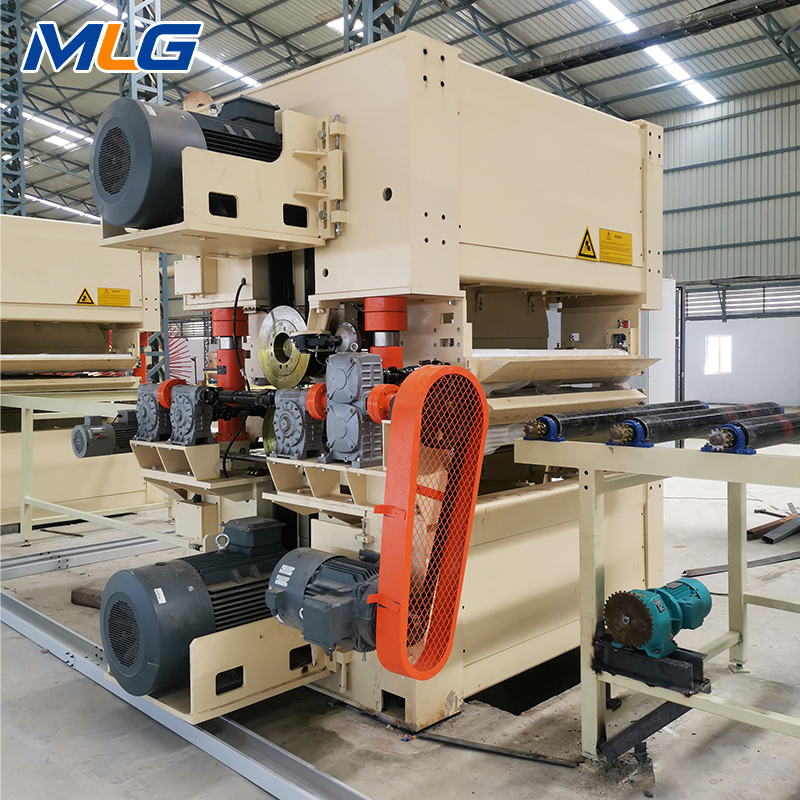
How to Compare Different Widebelt Sanding Machine Models Effectively
When comparing different models of MLG widebelt sanding machines, buyers should consider several factors that influence performance and suitability. Start with the machine's specifications, including sanding width, belt speed, and motor power. These specifications should align with the production requirements and types of materials being processed.
Next, evaluate the machine's design and construction quality. A robust frame and quality components will ensure longevity and reliability, reducing maintenance costs over time. Look for features such as adjustable sanding pressure and automatic belt tracking, which can enhance usability and efficiency.
Furthermore, consider the level of automation offered by the machine. Models with advanced controls and sensors can significantly improve consistency and reduce operator error, which is particularly beneficial in large-scale operations.
Cost is another critical comparison factor. While initial investment is important, it’s essential to assess the total cost of ownership, which includes operational efficiency, maintenance, and potential downtime. Engaging with the supplier to understand warranty terms and after-sales support can also play a vital role in the overall value proposition of different models.
In summary, making an informed decision about widebelt sanding machines involves a thorough understanding of specifications, sourcing options, application suitability, and effective model comparison. By focusing on these aspects, purchasing managers and engineers can ensure they select the right woodworking sanding machines for their production needs, ultimately enhancing efficiency and product quality.
 AR
AR