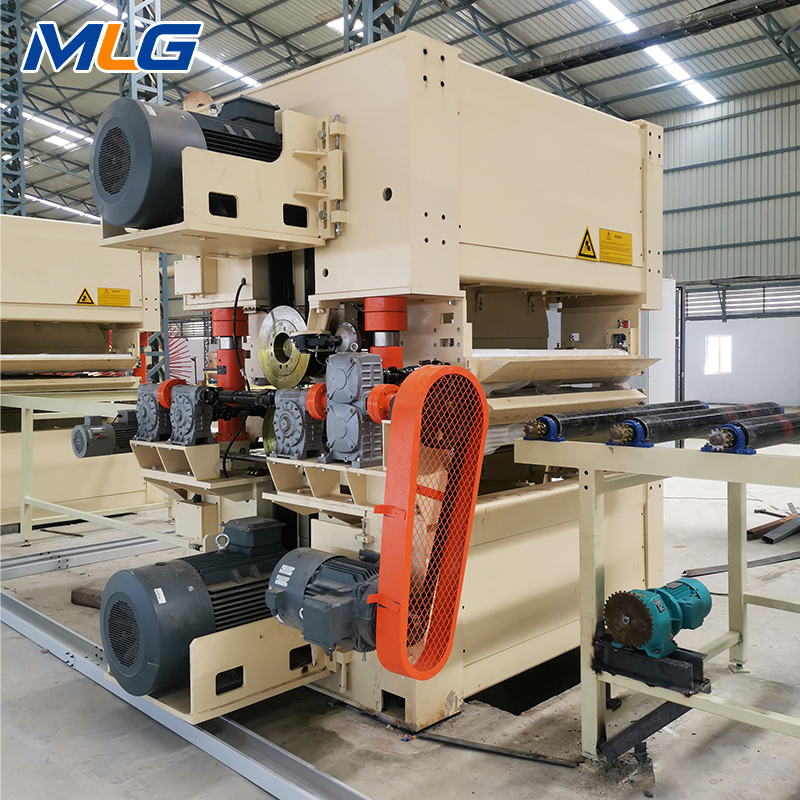
Widebelt Sanding Machines for Efficient Production

application/widebelt-sanding-machine, application/widebelt-sanding-machine, 
Inquiry
Inquiry

Widebelt sanding machine

Widebelt sanding machines are essential tools in various manufacturing processes, particularly in the woodworking and panel production industries. These mdf sanding machine provide even and efficient sanding across large surface areas, ensuring a smooth finish on products such as plywood, MDF, and particleboard. For B2B buyers, understanding the key aspects of widebelt sanding machines is crucial for making informed purchasing decisions. This article aims to guide purchasing managers and engineers through the selection process, sourcing options, applications, and comparison factors relevant to widebelt sanding machines.

Wholesale Options for High-Quality Widebelt Sanding Machines

For companies looking to purchase MLG widebelt sanding machines in bulk, wholesale options provide significant cost savings. Manufacturers like Shandong Menglianggu Machinery offer competitive pricing for bulk orders, allowing buyers to equip their production lines more economically. Engaging directly with manufacturers can yield better price negotiations and customization options tailored to specific production needs. 

In terms of supplier evaluation, it's crucial to assess the manufacturer’s reputation for quality. Look for companies with established quality control processes and certifications that ensure the machinery meets industry standards. Verifying past customer reviews and case studies can also provide insight into the reliability and performance of the machines. 

Furthermore, potential buyers should inquire about after-sales support, including maintenance services and availability of replacement parts. A reliable supplier will offer comprehensive support throughout the machine’s lifecycle, ensuring minimal downtime in production.

Where to Source Reliable Widebelt Sanding Machines for Bulk Orders

Sourcing reliable MLG widebelt sanding machines for bulk orders requires a strategic approach. Start by identifying reputable manufacturers known for their expertise in woodworking machinery. Trade shows, industry exhibitions, and online platforms dedicated to manufacturing equipment can be excellent resources for discovering potential suppliers. 

Once potential suppliers are identified, conducting thorough due diligence is essential. Requesting technical specifications, production capabilities, and previous project examples can help gauge the manufacturer’s capabilities. It’s also advisable to ask for customer references to better understand the supplier's reliability and service quality. 

Additionally, engaging with industry forums and networking with other purchasing managers can lead to valuable recommendations and insights into lesser-known, yet reliable manufacturers. Establishing a relationship with a manufacturer that understands your specific operational needs can aid in negotiating favorable terms and customizing machines to meet your operational requirements.

Applications of Widebelt Sanding Machines in Various Industries

Widebelt sanding machines are versatile and find applications across multiple industries beyond just woodworking. In the furniture industry, they are used to finish tabletops, cabinets, and other wooden products, ensuring a smooth and attractive surface ready for coating. In the construction sector, widebelt sanders are employed to prepare wooden panels for installation, enhancing the quality of the final product. 

Moreover, these machines are increasingly used in the manufacturing of composite materials, such as particleboard and MDF. The consistent finish provided by widebelt sanding machines is crucial in ensuring that these materials meet strict quality standards required for further processing and application. 

In the automotive sector, some manufacturers use widebelt sanders to finish interior wooden components, contributing to the aesthetic quality of vehicles. The adaptability of these machines allows for their integration into various production lines, making them a valuable asset for manufacturers looking to improve efficiency and finish quality.

How to Compare Different Widebelt Sanding Machine Models Effectively

When comparing different models of MLG widebelt sanding machines, buyers should consider several factors that influence performance and suitability. Start with the machine's specifications, including sanding width, belt speed, and motor power. These specifications should align with the production requirements and types of materials being processed. 

Next, evaluate the machine's design and construction quality. A robust frame and quality components will ensure longevity and reliability, reducing maintenance costs over time. Look for features such as adjustable sanding pressure and automatic belt tracking, which can enhance usability and efficiency. 

Furthermore, consider the level of automation offered by the machine. Models with advanced controls and sensors can significantly improve consistency and reduce operator error, which is particularly beneficial in large-scale operations. 

Cost is another critical comparison factor. While initial investment is important, it’s essential to assess the total cost of ownership, which includes operational efficiency, maintenance, and potential downtime. Engaging with the supplier to understand warranty terms and after-sales support can also play a vital role in the overall value proposition of different models. 

In summary, making an informed decision about widebelt sanding machines involves a thorough understanding of specifications, sourcing options, application suitability, and effective model comparison. By focusing on these aspects, purchasing managers and engineers can ensure they select the right woodworking sanding machines for their production needs, ultimately enhancing efficiency and product quality.

Choosing the Right Widebelt Sanding Machine for Your Projects

When selecting a widebelt sanding machine, buyers should consider several key specifications that directly impact performance and suitability for specific applications. Firstly, the sanding width is critical; machines typically range from 600mm to 1,600mm. A wider belt allows for larger panels to be processed in a single pass, which is advantageous for high-volume production. 

Another essential specification is the belt speed, which can vary significantly between models. Higher speeds may facilitate faster production rates, but they can also generate more heat, affecting the quality of the finish. Thus, buyers ought to assess the material types they will work with—softer woods may require different settings than denser materials like MDF or particleboard. 

Additionally, the wide belt sanding machine horsepower and motor configuration influence its ability to handle various materials and thicknesses effectively. Machines with higher horsepower can manage larger, denser materials without bogging down. Buyers should also consider adjustable pressure settings, which allow for greater control over the sanding process and help achieve the desired surface finish.

Get a Free Quote

Our representative will contact you soon.
0/1000