Choosing the Right Woodworking Sanding Machines

application/woodworking-sanding-machines, application/woodworking-sanding-machines, 
Inquiry
Inquiry

Woodworking sanding machines

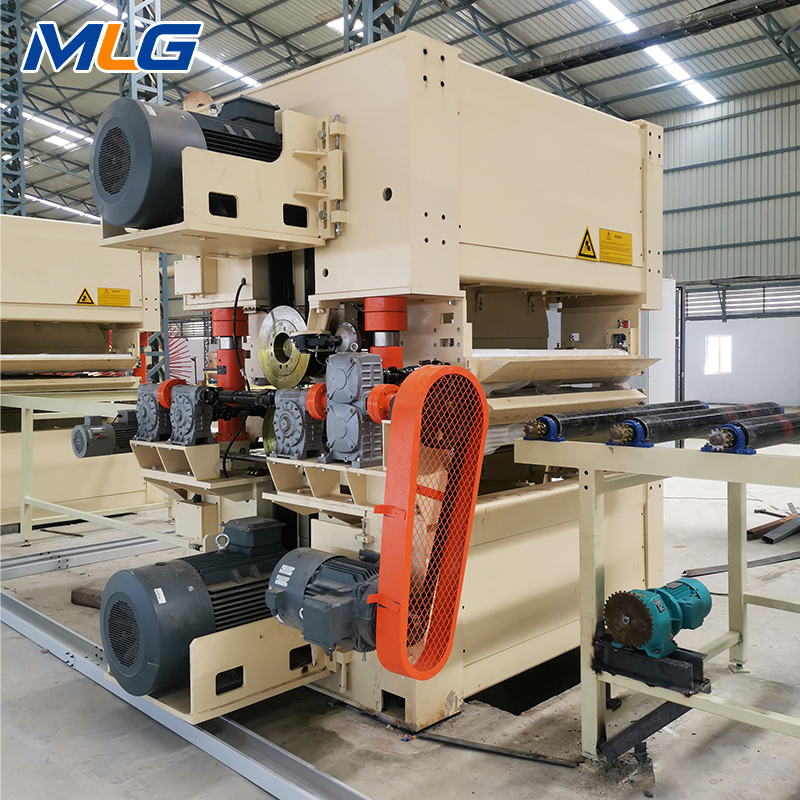
Woodworking sanding machines are essential tools in the manufacturing and finishing processes of wood-based products, such as plywood, particleboard, and MDF. These machines play a critical role in achieving the desired surface finish, ensuring that products meet quality standards and specifications. For purchasing managers, distributors, and engineers, understanding how to select the right mdf sanding machine, evaluate its quality, and consider cost factors is crucial for optimizing production efficiency. This article will guide you through these aspects, enabling informed decision-making in your procurement process.

How to Evaluate the Quality of Woodworking Sanding Machines

Evaluating the quality of woodworking sanding machines involves examining several key factors. First, consider the build quality and materials used in the machine's construction. Machines made from robust materials tend to have a longer lifespan and require less maintenance. Look for machines equipped with reliable motors and precision-engineered components that ensure consistent performance. 

Another important aspect is the machine's ability to maintain consistent sanding pressure and speed. Inconsistent pressure can lead to uneven finishes, which may affect product quality. It's advisable to review user feedback and performance reports to gauge the reliability of the machine in real-world applications. Finally, ensure that the manufacturer offers comprehensive support, including warranties and access to replacement parts, as this can significantly influence long-term operational efficiency.

Key Specifications to Consider in Sanding Machines for Woodworking

When scrutinizing woodworking sanding machines, several specifications are critical to their performance: 

Sanding Width and Length: The width and length of the sanding surface dictate how much material can be processed at once. Wider machines are suitable for larger panels, while narrower options may be better for smaller components. 

Motor Power: A machine's motor power directly affects its sanding capability. Higher power ratings allow for faster processing and more effective sanding, particularly with denser materials. 

Sanding Speed: The speed at which the sanding belt moves plays a crucial role in achieving the desired finish. Variable speed options can enhance versatility by allowing adjustments based on the material type. 

Dust Collection System: Effective dust collection is essential not only for maintaining a clean workspace but also for ensuring a consistent finish. Machines with integrated dust collection systems can improve air quality and reduce cleanup time. 

Adjustability: Look for machines that offer easy adjustability for different sanding tasks. Features such as height adjustments and tilt mechanisms can enhance operational flexibility. 

Understanding these specifications will help you select a big belt sander machine that meets your production requirements and quality standards.

Understanding Cost Factors for Woodworking Sanding Machines

Several factors can influence the cost of MLG woodworking sanding machines, making it essential to understand these when budgeting for a purchase. 

Machine Type: Different types of sanding machines come with varying price points. For example, belt sanders typically range from less to moderately priced, while drum sanders may require a higher investment due to their capabilities and performance. 

Features and Technology: Advanced features such as programmable controls, automated adjustments, and integrated dust collection systems can add to the machine's cost. However, these features can also enhance efficiency and reduce labor costs in the long run. 

Brand and Manufacturer Reputation: Established manufacturers may charge a premium for their products due to their reputation for reliability and quality. Investing in a recognized brand can provide peace of mind regarding performance and support. 

Customization Options: Custom-built machines tailored to specific production needs may come at a higher price but can offer significant advantages in efficiency and capability. 

Shipping and Installation Costs: Don’t overlook the additional costs associated with transporting and installing the machine. Understanding these factors upfront can help you avoid budget overruns. 

By considering these cost factors, you can create a more accurate budget that aligns with your operational needs.

Installation Guidance for Woodworking Sanding Machines in Your Facility

Proper installation of MLG woodworking sanding machines is crucial for optimal performance and safety. Here are some key considerations: 

Site Preparation: Ensure that the installation area is adequately prepared. This includes having a level surface, sufficient space for the machine's operation, and access to power sources and ventilation systems for dust collection. 

Alignment and Calibration: After installation, the machine should be aligned and calibrated correctly. This step is essential to ensure that the sanding surface operates uniformly and consistently. Refer to the manufacturer's guidelines for specific calibration procedures. 

Safety Protocols: Familiarize your team with safety protocols related to operating sanding machines. This includes training on proper use, maintenance, and emergency procedures to prevent accidents and ensure a safe working environment. 

Regular Maintenance Checks: Schedule regular maintenance checks post-installation to ensure the machine operates efficiently and to extend its lifespan. This includes inspecting belts, motors, and dust collection systems. 

By following these installation guidelines, you can maximize the operational efficiency and lifespan of your woodworking sanding machines, ultimately enhancing your production capabilities. 

In summary, understanding the nuances of woodworking sanding machines—from choosing the right model to evaluating quality and cost factors—will empower B2B buyers to make informed decisions that align with their production needs and quality standards.

Choosing the Right Woodworking Sanding Machines for Your Projects

When selecting MLG woodworking sanding machines, it’s important to consider the specific requirements of your projects. Begin by assessing the type of wood materials you will be working with and the intended application. Different sanding machines are designed for various functions, such as edge sanding, surface sanding, or profile sanding. This means that a machine suitable for sanding plywood may not be ideal for MDF or particleboard. 

Additionally, consider the scale of your production. High-volume operations may require industrial-grade sanding machines that can withstand continuous use while offering precision and uniformity. Conversely, smaller operations may benefit from more compact or versatile models. Assessing your production needs will help you choose a large belt sander machine that enhances efficiency without over-investing in capabilities you may not utilize.

Get a Free Quote

Our representative will contact you soon.
0/1000