Installation Guidance for Woodworking Sanding Machines in Your Facility
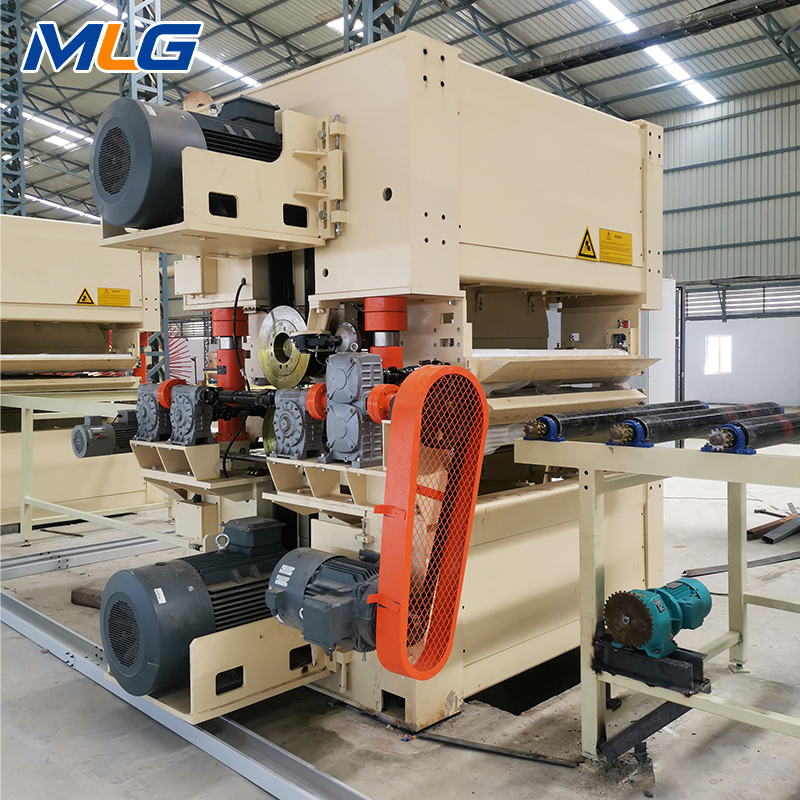
Proper installation of MLG woodworking sanding machines is crucial for optimal performance and safety. Here are some key considerations:
Site Preparation: Ensure that the installation area is adequately prepared. This includes having a level surface, sufficient space for the machine's operation, and access to power sources and ventilation systems for dust collection.
Alignment and Calibration: After installation, the machine should be aligned and calibrated correctly. This step is essential to ensure that the sanding surface operates uniformly and consistently. Refer to the manufacturer's guidelines for specific calibration procedures.
Safety Protocols: Familiarize your team with safety protocols related to operating sanding machines. This includes training on proper use, maintenance, and emergency procedures to prevent accidents and ensure a safe working environment.
Regular Maintenance Checks: Schedule regular maintenance checks post-installation to ensure the machine operates efficiently and to extend its lifespan. This includes inspecting belts, motors, and dust collection systems.
By following these installation guidelines, you can maximize the operational efficiency and lifespan of your woodworking sanding machines, ultimately enhancing your production capabilities.
In summary, understanding the nuances of woodworking sanding machines—from choosing the right model to evaluating quality and cost factors—will empower B2B buyers to make informed decisions that align with their production needs and quality standards.
 AR
AR