Woodworking Hot Press Machines: Key Insights for Buyers

application/woodworking-hot-press-machine, application/woodworking-hot-press-machine, 
Inquiry
Inquiry

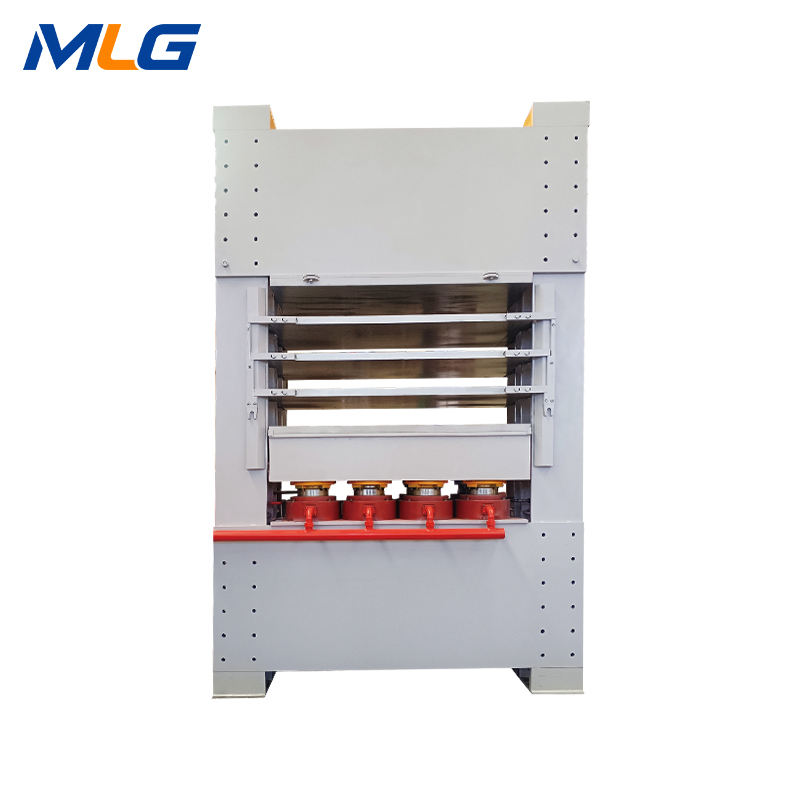
Woodworking hot press machine

Woodworking hot press machines are essential tools in the manufacturing of wood-based panels, such as plywood, particleboard, OSB, and MDF. These machines apply heat and pressure to bond layers of material, ensuring durability and structural integrity. For B2B buyers, understanding the quality, sourcing options, applications, potential issues, and key buying points is vital for making informed purchasing decisions. This article will provide insights into evaluating Plywood Hot Press Machine, sourcing reliable options, their various applications, common operational challenges, and critical considerations for buyers.


Where to Source Reliable Woodworking Hot Press Machines Wholesale

Sourcing reliable MLG woodworking hot press machines wholesale requires a strategic approach. Start by identifying reputable manufacturers or suppliers with a strong track record in the industry. Look for companies that provide comprehensive technical support and factory design services, as these can be crucial for optimizing your production line. 

Trade shows and industry exhibitions are excellent venues to connect with potential suppliers. These events offer the opportunity to see machines in action, ask questions, and evaluate the vendor's expertise firsthand. Online platforms and industry directories can also provide valuable leads, but ensure that you verify the credibility of the suppliers through reviews and testimonials from other buyers. 

Consider establishing a relationship with a manufacturer that offers customization capabilities. This can be particularly beneficial if you have specific production needs or are looking for hot press machine that can adapt to various wood products. Always request detailed quotations, including shipping costs and lead times, to ensure you are comparing similar offerings.

Applications of Woodworking Hot Press Machines in Manufacturing

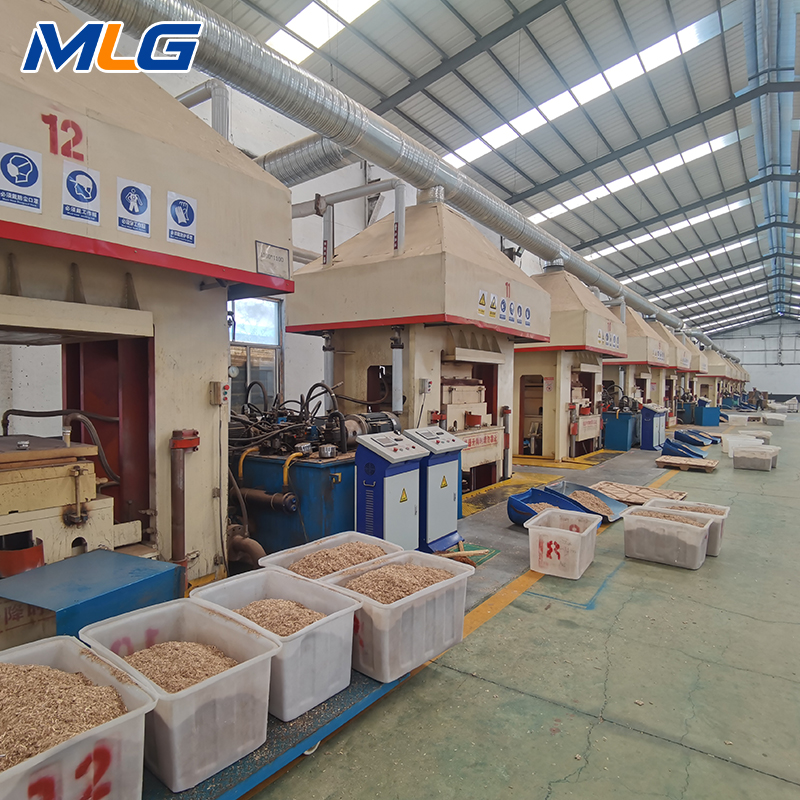
Woodworking hot press machines play a pivotal role in the production of various wood-based panels. They are primarily used in manufacturing plywood, particleboard, oriented strand board (OSB), and medium-density fiberboard (MDF). Each of these products has unique requirements that the hot press machine must meet. 

For plywood, the hot press machine applies heat and pressure to bond multiple layers of thin wood veneers into a single, durable sheet. In the case of particleboard, the machine compresses wood chips and adhesive, creating a solid board used in furniture and cabinetry. OSB is produced using a similar process but utilizes larger strands of wood, providing strength and versatility for construction applications. MDF, on the other hand, is made from wood fibers and adhesive, requiring precise temperature and pressure settings to achieve a smooth finish. 

The versatility of woodworking hot press machines allows manufacturers to tailor their products to specific market demands, such as producing panels with varying thicknesses, finishes, and densities. This adaptability is crucial in meeting the evolving needs of the construction and furniture industries.

Solutions to Common Problems in Woodworking Hot Press Machine Use

Operating woodworking hot press machines can present several challenges, but understanding these issues can help mitigate potential problems. One common issue is inconsistent pressure distribution, which can lead to uneven bonding and product defects. To address this, regularly calibrate the machine and ensure proper maintenance of the pressing plates. 

Temperature control is another critical factor. Fluctuations in temperature can affect adhesive curing times, leading to weak bonds. Implementing a monitoring system can help maintain consistent temperatures throughout the pressing cycle.  Additionally, ensure that the machine is equipped with adequate insulation to prevent heat loss. 

Another frequent problem is material compatibility. Different wood types and adhesive formulations may require specific settings for optimal results. Buyers should work closely with their suppliers to determine the best configurations for their materials. Testing samples under actual production conditions before full-scale operations can help identify any necessary adjustments.

Key Points for Buyers

When purchasing MLG woodworking hot press machines, several key points should be considered to ensure a successful investment. First, clarify your production requirements, including the types of materials you will process, the expected output volume, and any specific customization needs. This information is crucial when requesting quotations from manufacturers. 

Next, evaluate the total cost of ownership, not just the initial purchase price. Consider factors such as energy consumption, maintenance costs, and potential downtime. A more expensive hot press machine for plywood may offer better energy efficiency and lower operating costs in the long run. 

Additionally, verify the manufacturer's support services, including installation, training, and ongoing maintenance. A reliable supplier will provide comprehensive after-sales support, which is essential for minimizing production interruptions. 

Lastly, always ask for references or case studies from previous clients to gauge the reliability and performance of the machine. Engaging with other users can provide valuable insights and help you make a more informed decision.

How to Evaluate the Quality of Woodworking Hot Press Machines

When assessing the quality of MLG woodworking hot press machines, several factors must be considered. First, examine the machine's construction and materials. High-quality machines typically use robust steel frames and components that withstand high pressure and temperature, ensuring longevity and reliability. Check for precision in manufacturing, as inaccuracies can lead to uneven pressing and inferior product quality. 

Another key aspect is the machine's technical specifications, such as maximum pressure, temperature range, and pressing area. For instance, a machine with adjustable pressure settings can accommodate various material thicknesses and types, providing greater flexibility in production. Additionally, look for energy efficiency ratings, as modern machines are designed to minimize power consumption while maintaining performance. 

Finally, inquire about the manufacturer's quality control processes. A reputable manufacturer, like Shandong Menglianggu Machinery, will have stringent quality checks and certifications that demonstrate compliance with industry standards. This ensures that the machinery not only meets operational requirements but also adheres to safety and environmental regulations.

Get a Free Quote

Our representative will contact you soon.
0/1000