Choosing the Right Short Cycle Press Machine

application/short-cycle-press-machine, application/short-cycle-press-machine, 
Inquiry
Inquiry

Short cycle press machine

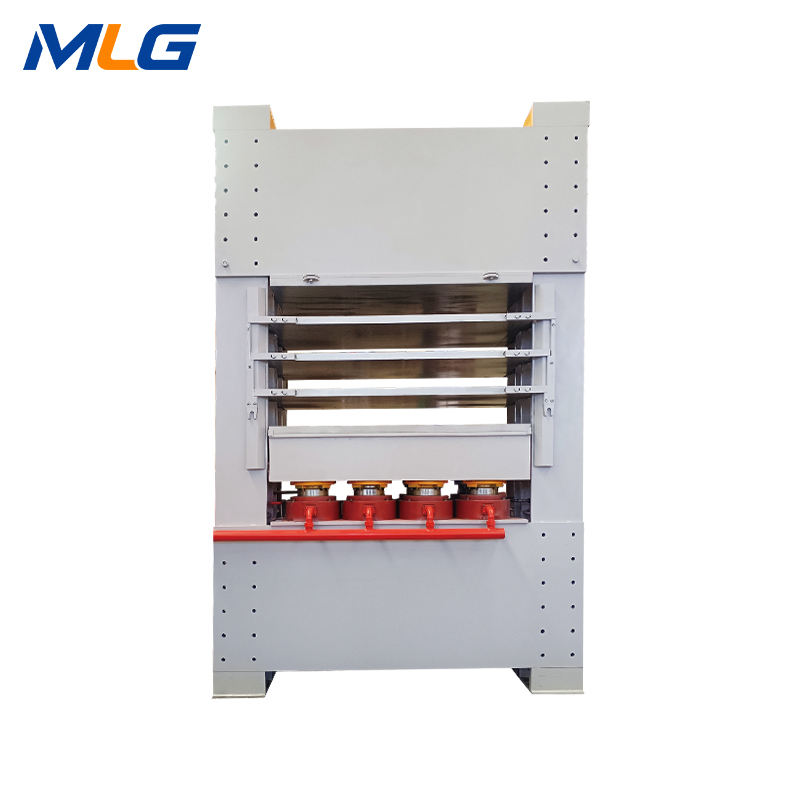
Short cycle press machines are essential in the production of wood-based panels, playing a crucial role in ensuring efficiency and quality. These machines are designed to bond layers of materials such as plywood, particleboard, OSB, and MDF, making them indispensable for manufacturers in the wood industry. When selecting a short cycle press machine, B2B buyers typically have concerns regarding specifications, compatibility, and overall performance. This article will provide valuable insights into choosing the right short cycle press machine, key specifications to consider, best practices for operation, common issues and their solutions, and the applications of these hot press machine in wood-based panel production. This article will help you to understand the product more, so keep on reading it all. 

Key Specifications of Short Cycle Press Machines for Bulk Orders

When placing bulk orders for short cycle press machines, several specifications are crucial to ensure the machines meet production requirements. Key specifications include: 

Pressing Force: Measured in tons, this indicates the machine's ability to bond materials effectively. Higher pressing forces typically result in stronger bonds. 

Cycle Time: This refers to the time taken for the pressing cycle, which directly affects productivity. A shorter cycle time can lead to increased output. 

Dimensions: The size of the machine must fit within your production facility and accommodate the materials being processed. 

Heating Method: Options such as hot plates or heated platens can affect production speed and the quality of the final product. 

Control Systems: Advanced control systems allow for precise adjustments, enhancing the consistency and quality of the output. 

Buyers should confirm these specifications with the manufacturer to ensure the hot press machine price align with their operational needs.

Best Practices

To maximize the performance and longevity of MLG short cycle press machines, consider the following best practices: 

Regular Maintenance: Implement a routine maintenance schedule to inspect and service the machine, ensuring optimal functioning and preventing unexpected breakdowns. 

Operator Training: Ensure that operators are adequately trained in both machine operation and safety protocols. This reduces the risk of accidents and enhances efficiency. 

Material Preparation: Properly prepare materials before feeding them into the machine. This includes ensuring they are clean, dry, and cut to the correct dimensions for optimal bonding. 

Monitoring Performance: Continuously monitor machine performance metrics, such as cycle time and output quality. Timely adjustments can lead to improved efficiency and reduced waste. 

By following these practices, companies can enhance their production capabilities and reduce operational costs.

Common Problems with Short Cycle Press Machines and Solutions

Like any industrial machinery, MLG short cycle press machines can encounter issues that may hinder production. You can experience problems with this product but you can also avoid it by just following all the instructions. Some common problems include: 

Inconsistent Pressure Distribution: This can lead to uneven bonding and reduced product quality. Ensure that the machine’s platens are aligned and calibrated correctly. Regular maintenance can help detect and rectify alignment issues early. 

Heating Irregularities: Uneven heating can cause inadequate bonding. Regularly check the heating elements and ensure that temperature controls are functioning correctly. Calibration checks can help maintain consistent heating. 

Material Jamming: This often occurs due to improper material preparation. Ensure that materials are cut accurately and free from contaminants. Additionally, operators should be trained to recognize early signs of jamming to take corrective action promptly. 

By implementing preventive measures and addressing issues quickly, manufacturers can maintain smooth operations and uphold product quality.

Applications of Short Cycle Press Machines in Wood-Based Panel Production

Short cycle press machines are widely used in the production of various wood-based panels, including: 

Plywood: Used for furniture, flooring, and construction, plywood benefits from the consistent pressure and heat application of short cycle presses. 

Particleboard: Commonly used in furniture and cabinetry, particleboard production requires efficient bonding of wood particles, which is facilitated by these machines. 

Oriented Strand Board (OSB): Short cycle press machines help create OSB panels that are strong and suitable for structural applications. 

Medium Density Fiberboard (MDF): Used in decorative and functional applications, MDF requires precise bonding to ensure durability and finish quality. 

In each of these applications, the short cycle press machine ensures a balance of speed and quality, making it a vital component in the manufacturing process. 

By understanding how to select the right roller press machine for plywood, the key specifications to consider, and the best practices for operation, B2B buyers can make informed decisions that enhance their production capabilities in the wood-based panel industry.

How to Choose the Right Short Cycle Press Machine for Your Projects

Selecting the appropriate MLG short cycle press machine involves several key considerations. First, assess the specific requirements of your production line, including the types of materials you will be processing and the desired output capacity. Choosing the right product is so easy if you trust on our brand.  The machine's size, pressing force, and cycle time should align with your production goals. 

Next, consider the machine's adaptability. If your operations require frequent changes in product types or sizes, a versatile machine that allows for quick adjustments will be beneficial. Additionally, evaluate the manufacturer's support for customization to suit your specific needs, which can enhance operational efficiency. 

Finally, review the machine’s energy efficiency and maintenance requirements. An energy-efficient model can significantly reduce operational costs over time, while ease of maintenance ensures minimal downtime.

Get a Free Quote

Our representative will contact you soon.
0/1000