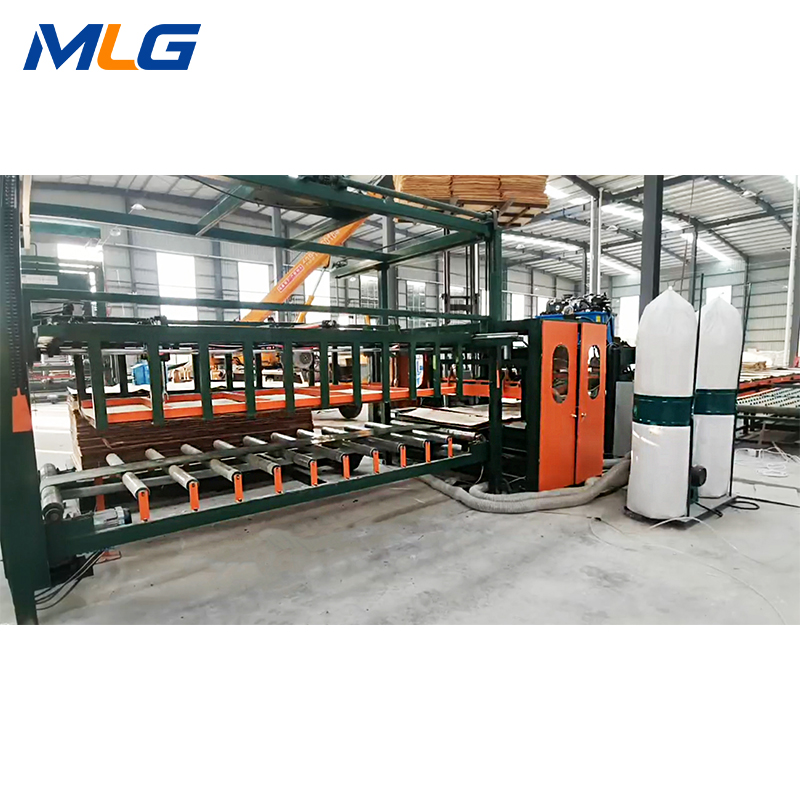
Key Specifications for Veneer Drying Systems

application/veneer-drying, application/veneer-drying, 
Inquiry
Inquiry

Veneer drying

Veneer drying is a critical step in the manufacturing process of wood-based panels, ensuring that the wood retains its integrity and quality during production. For purchasing managers and engineers, understanding the intricacies of veneer drying systems is essential for selecting the right veneer drying equipment that meets production needs. This article will provide insights into key specifications, partner evaluation, cost factors, installation guidance, and veneer drying applications within the wood-based panel industry. 

What to Look for in Veneer Drying Partners

Choosing the right partner for veneer drying equipment is as important as selecting the equipment itself. Here are key factors to consider: 

Industry Experience: Look for suppliers with a proven track record in the veneer drying equipment sector. Their experience can provide insights into best practices and common pitfalls. 

Technical Support and Service: Assess the level of technical support offered post-purchase. Reliable service can minimize downtime and ensure that any issues are resolved promptly. 

Customization Capabilities: Every production line is unique. A veneer dryer suppliers that offers customization options can help tailor the drying system to fit specific operational needs, enhancing overall efficiency. 

Quality Certifications: Verify if the veneer dryer manufacturers has relevant quality certifications (ISO certification) as these indicate adherence to industry standards and practices. 

References and Case Studies: Ask for references or case studies from existing clients. This can provide insight into the supplier's reliability and the performance of their equipment in real-world applications. 

Warranties and Guarantees: Understand the warranties and guarantees offered on the equipment. This can provide peace of mind and protection against potential defects or issues. 

By evaluating these factors, you can make an informed decision and establish a veneer drying partners that enhances your veneer drying operations. 

Evaluating the Cost of Veneer Drying Equipment for Bulk Orders

When considering veneer drying systems, a thorough evaluation of costs is essential, particularly for bulk orders. Here are some factors that can influence pricing: 

Equipment Specifications: Higher specifications typically come with increased costs. Ensure that you balance the need for advanced features with your budget constraints. 

Volume Discounts: Many manufacturers offer discounts for bulk purchases. Inquire about pricing structures for larger orders as this can lead to significant savings. 

Shipping and Installation Costs: Factor in the shipping costs to your location, as well as installation fees. Some manufacturers may include installation in their pricing, while others may charge separately. 

Operational Costs: Consider the long-term operational costs associated with energy consumption, maintenance, and potential repairs. An initial lower price may lead to higher long-term costs if the equipment is not energy efficient or requires frequent servicing. 

Financing Options: Investigate if the supplier offers financing options. This can make high upfront costs more manageable and allow for better cash flow management. 

Return on Investment (ROI): Calculate the expected ROI based on productivity improvements and reduced labor costs. This will help justify the investment in high-quality plywood dryer machine. 

By taking these factors into account, buyers can develop a clearer understanding of the total cost of ownership and make a more informed purchasing decision. 

Installation Guidance for Efficient Veneer Drying Systems

Proper installation of veneer drying systems is crucial for optimal performance. Here are some best practices for installation: 

Site Assessment: Prior to installation, conduct a thorough site assessment to ensure that the space can accommodate the drying system, considering factors like ventilation, electrical requirements, and accessibility. 

Professional Installation: Engage professionals for installation to ensure that all components are set up correctly. Improper installation can lead to inefficiencies and potential equipment damage. 

Calibration and Testing: After installation, calibrate the drying system according to manufacturer specifications. Conduct thorough testing to confirm that all systems are functioning correctly before beginning production. 

Training for Operators: Provide comprehensive training for operators on the new equipment. This will help maximize efficiency and minimize operational errors during the drying process. 

Maintenance Schedule: Establish a maintenance schedule post-installation, including regular checks on temperature and humidity controls, to ensure the system operates at peak efficiency. 

Documentation: Keep all installation documents and manuals accessible. This will aid in troubleshooting and maintenance over the life of the equipment. 

By following these guidelines, you can ensure a smooth installation process and enhance the longevity and performance of your veneer drying systems. 

Applications of Veneer Drying in the Wood-Based Panel Industry

Veneer drying is essential in various applications within the wood-based panel industry. Here’s how it fits into the larger production process: 

Plywood Manufacturing: In plywood production, veneer drying is crucial to minimize moisture content, which can lead to warping and adhesion issues. Properly dried veneer improves the quality and durability of the final product. 

MDF and Particleboard Production: For Medium Density Fiberboard (MDF) and particleboard, veneer drying helps ensure uniform moisture levels, which are essential for achieving optimal bonding during the pressing process. 

Lamination: In laminated products, properly dried veneer enhances adhesive bonding strength, resulting in higher quality laminated surfaces that withstand stress and environmental changes. 

Custom Applications: Many manufacturers are exploring custom applications for veneer, such as furniture and cabinetry. The drying process is vital to maintain the aesthetic qualities and structural integrity of these products. 

Eco-Friendly Practices: With increasing demand for sustainable products, efficient veneer drying systems can help reduce waste and energy consumption, aligning with green manufacturing practices. 

Understanding the applications of veneer drying helps manufacturers optimize their production processes and meet market demands effectively. 

By focusing on these key areas, purchasing managers and engineers can make informed decisions regarding veneer drying systems, ensuring their operations run smoothly and efficiently. 

Key Specifications for High-Quality Veneer Drying Systems

When selecting veneer drying systems, there are several key specifications to consider that directly impact both performance and efficiency. 

Temperature Control: The ability to maintain precise temperature ranges is crucial. Excessive heat can cause warping or degradation of the veneer, while insufficient drying can lead to moisture retention, affecting adhesive bonding later in the production process. 

Humidity Management: Effective humidity control systems are vital to ensure even drying. Systems should be equipped with sensors that monitor moisture levels, allowing for adjustments to be made in real-time. 

Drying Capacity: The drying capacity of the system should align with production demands. Evaluate the throughput and ensure that it can handle the volume of veneer you process within your desired time frame. 

Energy Efficiency: Energy consumption is a significant cost factor in veneer drying. Look for systems that utilize energy-efficient technologies, such as heat recovery systems, to minimize operational costs. 

Material Compatibility: Ensure that the drying system is compatible with the types of veneer you're processing, whether hardwood or softwood, as this impacts the drying technique and temperature settings. 

Automation Features: Advanced systems may include automation features that enhance precision and reduce labor costs. Look for programmable controls that allow for easy adjustments and monitoring of the drying process. 

Evaluating these specifications will help ensure that your veneer drying systems meet your quality and production requirements. 

Get a Free Quote

Our representative will contact you soon.
0/1000