Essential Sanding Belts for Belt Sanders

application/sanding-belts-for-belt-sanders, application/sanding-belts-for-belt-sanders, 
Inquiry
Inquiry

Sanding belts for belt sanders

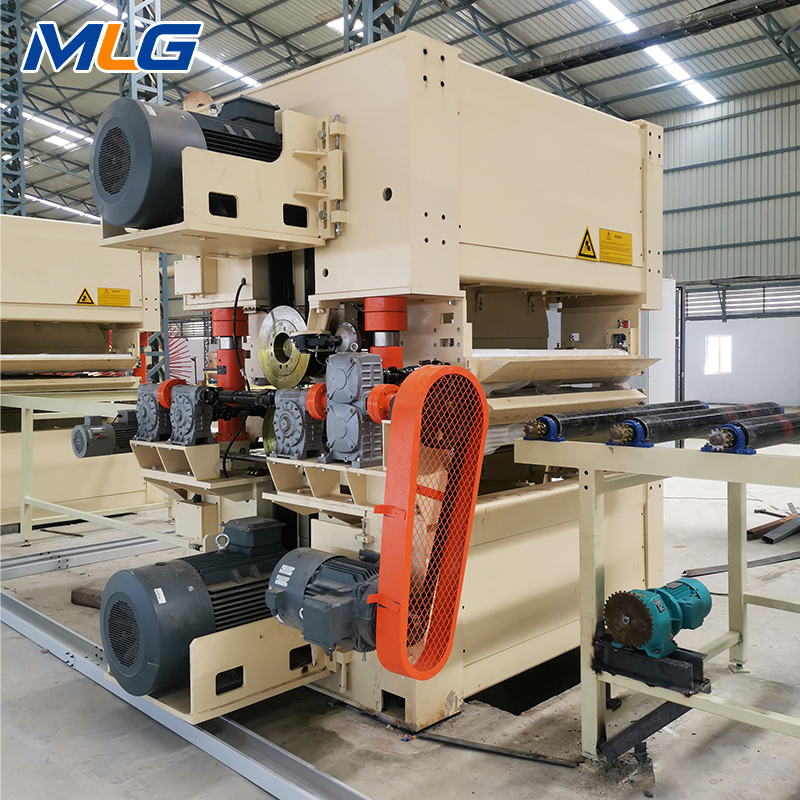
Sanding belts for belt sanders are essential tools in woodworking and manufacturing, providing precision surface finishing on various materials. As a purchasing manager or product specialist, you may have concerns about quality, compatibility, and pricing when sourcing these belts. This article will guide you through the critical aspects of mdf sanding machine, ensuring you make informed decisions that meet your operational requirements and enhance productivity.

Key Specifications to Consider When Sourcing Sanding Belts

Several key specifications should be evaluated when selecting sanding belts for your belt sanders: 

Belt Size: The width and length of the sanding belt must match the specifications of your sander. Common sizes include 1" to 42" widths and various lengths. Ensure compatibility to avoid operational issues. 

Grit Type: The grit refers to the coarseness of the sanding material. Grits are classified as follows: 

Coarse (40-60): Suitable for heavy material removal. 

Medium (80-120): Ideal for general sanding tasks. 

Fine (150-220): Used for finishing and smoothing surfaces. 

Material Composition: The choice of material affects both performance and durability. Cloth belts are more robust and long-lasting, while paper belts are typically less expensive but may wear out more quickly. 

Backing Type: The backing of the belt can be made from different materials, influencing flexibility and adaptability. A strong yet flexible backing is essential for achieving a consistent finish on curved surfaces. 

Adhesive Type: The adhesive used to attach the abrasive to the backing can impact durability. Heat-resistant adhesives are recommended for high-temperature applications. 

By focusing on these specifications, buyers can align their selections with their specific sanding applications, ensuring optimal performance and longevity of the belts.

Common Problems with Sanding Belts and Effective Solutions

Sanding belts can encounter several issues during operation that may affect performance. Understanding these problems and their solutions can enhance your workflow: 

Belt Breakage: This is often caused by excessive tension or incorrect sizing. Ensure that the belt is properly fitted and not over-tightened during installation. 

Loading: This occurs when material builds up on the belt, reducing its effectiveness. To combat this, select belts with anti-loading features or use a cleaning stick to remove debris during use. 

Uneven Wear: This can result from misalignment or improper tension. Regularly check the alignment of your sander and adjust the tension according to the manufacturer’s guidelines to ensure even wear. 

Poor Finish Quality: If the finish is not satisfactory, consider the grit selection and material compatibility. Switching to a finer grit or a more suitable material may resolve this issue. 

By being aware of these problems and implementing the suggested solutions, buyers can maintain the performance of their sanding belts and extend their lifespan.

Understanding Pricing for Sanding Belts for Contractors

Pricing for MLG sanding belts can vary widely based on several factors, including material type, size, and customization options. Here are key elements that influence pricing: 

Material Costs: Higher-quality materials, such as durable cloth versus paper, will typically command a higher price. It's essential to balance cost with performance needs. 

Grit and Size: Custom sizes or specialized grits can increase costs due to lower production volumes or additional manufacturing processes. 

Order Quantity: Bulk orders often benefit from discounted pricing. Consider your usage patterns and purchase accordingly to optimize cost efficiency. 

Customization: If you require specific features (like unique dimensions or specialized adhesives), be prepared for higher costs. Request quotes that detail these options to evaluate their overall value. 

Lead Time: Shorter lead times may incur additional fees. If your project timeline allows, consider longer lead times for potentially lower pricing. 

Understanding these factors will help contractors make informed decisions about budgeting and sourcing woodworking sanding machines effectively.

Best Practices and Tips

To ensure you get the most out of your MLG sanding belts for belt sanders, consider the following best practices: 

Regular Maintenance: Keep your sanding equipment in good condition by regularly checking for wear and tear. This includes inspecting the belts for damage and ensuring that the sander is calibrated correctly. 

Sample Testing: Before committing to a large order, request samples to test for compatibility and performance in your specific application. This step can prevent costly mistakes. 

Proper Storage: Store sanding belts in a cool, dry environment to prevent moisture absorption, which can affect performance. Avoid exposing them to extreme temperatures. 

Train Operators: Ensure that all personnel using the sanding equipment are well-trained in proper techniques and maintenance practices. This can enhance efficiency and reduce errors. 

Monitor Performance: Keep track of how each type of sanding belt performs over time. This data can inform future purchasing decisions and help identify the most cost-effective options for your needs. 

By adhering to these best practices, buyers can enhance the efficiency and longevity of their sanding belts, ultimately leading to improved productivity and quality in their operations. 

A Buyers Guide

When sourcing MLG sanding belts for belt sanders, consider the specific application and material compatibility. Sanding belts differ in size, grit, and material composition, which can significantly impact their performance. Common materials include cloth, paper, and polymer, each suitable for different machine for sanding applications. 

For instance, belts made from cloth are generally more durable and suited for heavy-duty sanding tasks, while paper belts may be more appropriate for lighter applications. Additionally, determining the right grit size is crucial. Lower grit numbers (e. g., 40-60) are typically used for aggressive material removal, while higher grits (e. g., 120-220) are ideal for fine finishing. 

When preparing to request a quotation (RFQ), be ready to specify the belt size, material, grit, and any customization needs. This ensures that your supplier can provide the most accurate and relevant options for your requirements. 

Get a Free Quote

Our representative will contact you soon.
0/1000