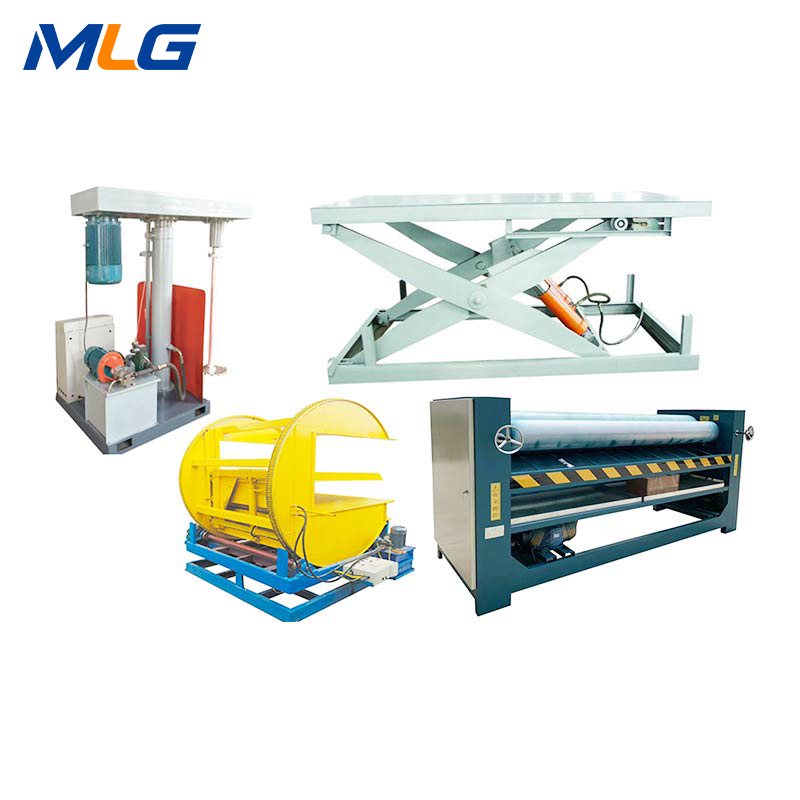
Key Benefits of Glue Spreader Roller Machines

application/glue-spreader-roller-machine, application/glue-spreader-roller-machine, 
Inquiry
Inquiry

Glue spreader roller machine

A glue spreader roller machine is a crucial component in the production process of wood-based panels like plywood, particleboard, OSB, and MDF. It efficiently applies adhesive to surfaces, ensuring strong bonding during panel assembly. For purchasing managers and engineers, understanding the specifications, advantages, and potential issues of glue spreader roller is vital for optimizing production and maintaining quality. This article will delve into key specifications, advantages,  common problems, selection criteria, and applications relevant to glue spreader roller machines, helping you make informed decisions for your manufacturing needs. 

Advantages of Glue Spreader Roller Machines in Wood Panel Production

Glue spreader roller machines offer several advantages that enhance the efficiency and quality of wood panel production: 

Consistent Adhesive Application: These machines provide uniform adhesive coverage, which is critical for achieving strong bonds. Inconsistent application can lead to weak joints and product failures. 

Increased Production Speed: Automated adhesive application speeds up the production process, allowing manufacturers to meet higher demand without sacrificing quality. 

Reduced Waste: By applying the exact amount of adhesive needed, glue spreader for plywood roller machines minimize excess use of materials, which can lead to cost savings and a more sustainable production process. 

Enhanced Quality Control: Many machines come with built-in sensors to monitor adhesive application and detect potential issues in real-time, allowing for immediate adjustments and reducing the likelihood of defects. 

Versatility: These machines can often be adjusted for different adhesive types and panel sizes, making them a versatile addition to manufacturing lines that produce a variety of products. 

By investing in a glue spreader roller machine, manufacturers can improve both the quality and efficiency of their wood panel production processes. 

Common Problems with Glue Spreader Roller Machines and Solutions

While glue spreader roller machines are designed for efficiency, they can encounter common issues that may affect production. Here are some typical problems and their solutions: 

Uneven Adhesive Application: This can result from roller misalignment or inconsistent adhesive viscosity. Regular calibration and maintenance can help ensure proper alignment and check adhesive quality before application. 

Clogged Nozzles: Over time, adhesive can dry and clog nozzles, leading to inconsistent application. Regular cleaning and using the appropriate adhesive for the machine can prevent this issue. 

Roller Wear: Continuous use can wear down rollers, leading to decreased performance. Monitoring roller condition and replacing worn parts proactively can maintain optimal operation. 

Electrical Failures: Electrical components may fail due to wear or improper handling. Implementing a routine inspection schedule can help identify and rectify electrical issues before they cause significant downtime. 

Inadequate Adhesive Coverage: If the adhesive coverage is insufficient, it may be necessary to adjust the roller pressure or speed settings. Testing different configurations during production runs can help find the ideal settings. 

Addressing these common issues promptly can minimize production disruptions and maintain product quality. 

How to Choose the Right Glue Spreader Roller Machine for Your Needs

Selecting the appropriate glue spreader roller machine involves evaluating several factors: 

Production Volume: Assess your expected production volume and select a machine that can handle your specific throughput requirements. Consider both current and future production needs. 

Panel Specifications: The types of panels you produce will dictate the machine's required width, adhesive type compatibility, and operational speed. Ensure the machine can accommodate your product range. 

Customization Options: Some manufacturers offer machines with customizable features to better fit unique production needs. If your operation has specific requirements, consider machines that allow for such customization. 

Space and Layout: Evaluate your facility’s layout and available space for the machine. Ensure the machine can be integrated smoothly into your existing production line without causing bottlenecks. 

Supplier Reputation: Research potential suppliers and their service offerings, including installation, training, and after-sales support. A reliable supplier can significantly enhance your operational efficiency through their expertise. 

Taking these factors into account will help ensure that the glue spreader roller machine you choose aligns with your production goals and operational capabilities. 

Applications of Glue Spreader Roller Machines in the Manufacturing Industry

Glue spreader roller machines are widely used in various applications within the manufacturing industry, particularly in the production of wood-based panels: 

Plywood Manufacturing: These machines are essential in applying adhesive to veneer layers, facilitating the creation of strong and durable plywood products. 

MDF Production: In medium-density fiberboard (MDF) manufacturing, glue spreaders ensure even adhesive distribution across fiber layers, enhancing product integrity. 

Particleboard Creation: Glue spreaders play a critical role in bonding wood particles together, ensuring that the final product maintains strength and structural integrity. 

OSB Production: In oriented strand board (OSB) production, efficient adhesive application is crucial for achieving the desired mechanical properties and durability. 

Furniture Manufacturing: Beyond panel production, glue spreader roller machines are also used in furniture manufacturing, where they apply adhesive for assembling various components. 

Understanding these applications helps manufacturers appreciate the importance of glue spreader roller machines in their production processes and the role they play in delivering quality end products. 

Key Specifications for Glue Spreader Roller Machines You Should Know

When evaluating a glue spreader roller machine, several specifications are critical to ensure it meets your production requirements. Key specifications include: 

Roller Diameter and Length: The diameter affects the amount of adhesive applied, while the length can influence the width of the panels that can be processed.  Larger diameters typically allow for more consistent adhesive application. 

Adhesive Type Compatibility: Machines may be designed for specific types of adhesives, such as PVA, polyurethane, or urea-formaldehyde. Ensure the machine you select can handle the adhesives used in your panel production. 

Speed and Capacity: The operational speed (measured in meters per minute) and the machine's capacity to process panels per hour are essential for meeting production targets. Higher speeds increase throughput but may require more frequent maintenance. 

Adjustment Mechanisms: Look for machines equipped with adjustable settings for adhesive thickness and roller pressure, allowing for flexibility in production runs based on panel specifications. 

Material Construction: The durability of the machine's components, such as the roller glue spreader and frame, is crucial. High-quality materials can reduce wear and extend the machine's operational life. 

Understanding these specifications helps ensure that the glue spreader roller machine is suited to your production environment and can handle the demands of your product line. 

Get a Free Quote

Our representative will contact you soon.
0/1000