Hot Press for Plywood: Best Practices & Benefits

application/hot-press-for-plywood, application/hot-press-for-plywood, 
Inquiry
Inquiry

Hot press for plywood

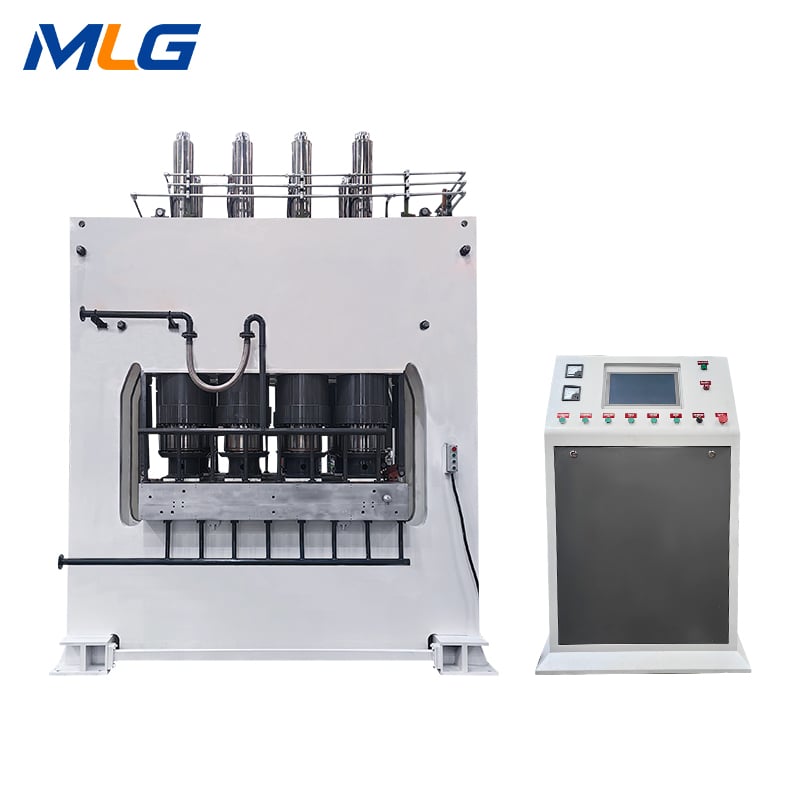
A hot press for plywood is a crucial piece of equipment in the manufacturing of wood-based panels, enabling efficient bonding and shaping of layers of veneer into high-quality hot press for plywood. For purchasing managers and engineers, understanding the intricacies of hot presses is vital to ensuring optimal production processes, budget considerations, and addressing potential challenges. This article will delve into best practices for plywood projects, budgeting for hot press needs, common issues encountered with hot plywood pressing machine, applications of hot press technology, and the benefits of utilizing high-quality hot presses in plywood production. 

Budgeting for Your Hot Press for Plywood Needs

Budgeting for a hot press for plywood involves several factors, including initial capital investment, operational costs, and maintenance. When estimating the budget, consider the following: 

Initial Costs: The price of a hot press can vary greatly based on its size, technology, and features. It's essential to balance the upfront investment with the expected output and efficiency gains. 

Operational Expenses: This includes energy consumption, labor costs, and costs associated with adhesives and other materials used in the production process. Understanding the energy efficiency of the hot press can yield significant savings over time. 

Maintenance and Repairs: Budgeting for routine maintenance is crucial to extend the lifespan of the equipment. Consider establishing a reserve fund for unexpected repairs to avoid disruptions in production. 

Customization Needs: If specific modifications or features are required for specialized production, these should be factored into the overall budget. Customization can enhance the machine's efficiency but may come with additional costs. 

Engaging with suppliers who offer transparent pricing and robust after-sale services can aid in making informed budgeting decisions. 

Common Problems with Hot Press Machines and Effective Solutions

Hot press machines can encounter several common problems with hot press machines that may affect production efficiency. Understanding these problems and their solutions is essential for maintaining smooth operations. 

Temperature Fluctuations: Inconsistent heating can lead to poor adhesive bonding. Regularly check and calibrate temperature controls to ensure uniform heating across the press. 

Hydraulic Failures: Hydraulic systems are pivotal for applying even pressure. Regular inspections and timely maintenance can prevent hydraulic failures that might lead to production stoppages. 

Alignment Issues: Misalignment of the veneers can result in uneven pressing, affecting the quality of the plywood. Using alignment guides or jigs can help maintain proper veneer placement before pressing. 

Adhesive Problems: The choice of adhesive is crucial, as some may not bond effectively under specific conditions. Always verify compatibility with the chosen veneer and ensure that the adhesive application is consistent. 

Wear and Tear: Over time, components of the hot press may wear down, impacting performance. Establishing a routine maintenance schedule can help identify and address wear before it becomes a significant issue. 

By being proactive in addressing these concerns, manufacturers can minimize downtime and maintain product quality. 

Applications of Hot Press Technology in Plywood Manufacturing

Hot press technology plays a significant role in plywood manufacturing, allowing for versatile applications across various industries. Some notable applications include: 

Furniture Production: Plywood is a popular material for furniture due to its strength and aesthetic appeal. Hot presses enable the efficient production of various furniture components, ensuring consistent quality. 

Building and Construction: Plywood is widely used in construction for flooring, wall sheathing, and roofing. The hot press technology provides the necessary strength and durability required for structural applications. 

Transportation: Plywood is also used in vehicle interiors and packaging materials. Hot presses facilitate the Plywood Production Line of lightweight yet sturdy plywood components that meet industry standards. 

Custom Projects: For specialized applications requiring unique dimensions or finishes, hot presses can be customized to suit specific project needs, enabling manufacturers to cater to diverse client demands. 

The adaptability of hot press technology in various sectors highlights its importance in the plywood manufacturing landscape. 

Benefits of Using a High-Quality Hot Press in Plywood Production

Investing in a high-quality hot press for plywood production offers numerous advantages that can significantly enhance operational efficiency and product quality: 

Consistent Quality: High-quality hot presses provide uniform pressure and temperature control, ensuring that every batch of plywood meets the desired specifications. This consistency is crucial for maintaining product standards. 

Increased Production Speed: Advanced hot press technology can shorten pressing cycles, allowing for higher throughput without compromising quality. This capability is particularly beneficial for manufacturers facing high demand. 

Energy Efficiency: Modern hot presses are designed with energy-efficient features that reduce operational costs. By optimizing energy consumption, manufacturers can lower their overall production expenses. 

Enhanced Durability: High-quality presses are built with robust materials and components, resulting in greater durability and reduced maintenance needs. This longevity translates into lower long-term costs. 

Customization Options: Leading manufacturers often offer customization options, allowing businesses to tailor the hot press to their specific production needs. This flexibility can lead to improved efficiency and product quality. 

By prioritizing quality in hot press selection, manufacturers can position themselves for long-term success in the competitive plywood market.  

Best Practices for Plywood Projects

When embarking on plywood projects, several best practices should be observed to maximize efficiency and quality. First, thorough planning and design are essential. This includes selecting the right type of veneer and adhesive, as these materials significantly impact the final product's strength and durability. Additionally, engaging in a pilot run using a hot press can help identify any potential issues before full-scale production. 

It's also important to ensure that the hot press is compatible with the specific dimensions and thickness of the plywood being produced. Variability in veneer thickness can lead to inconsistent results; thus, buyers should verify that the Plywood Hot Press Machine can accommodate their requirements. 

Regular maintenance of the hot press is another critical aspect. This includes routine checks of temperature control systems and hydraulic components to ensure optimal performance. Implementing a quality control process during production will help catch any defects early, reducing waste and enhancing overall productivity. 

Get a Free Quote

Our representative will contact you soon.
0/1000