Wide Belt Sanding Machines: Quality Control & Solutions

application/wide-belt-sanding-machine, application/wide-belt-sanding-machine, 
Inquiry
Inquiry

Wide belt sanding machine

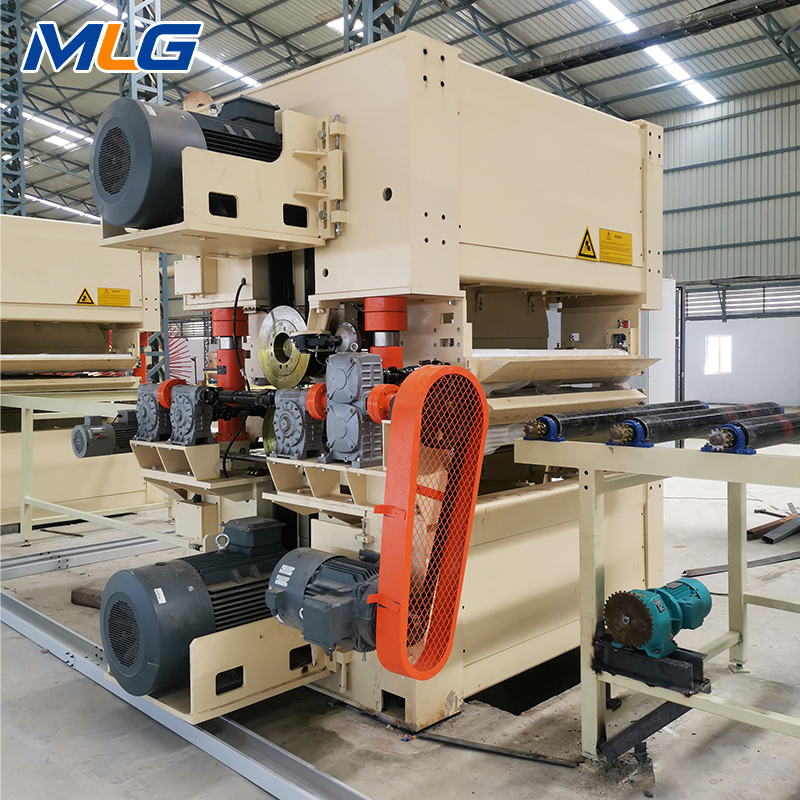
Wide belt sanding machines are essential equipment in the woodworking and panel manufacturing industries, designed to deliver a smooth, even finish on large surfaces. These machines are particularly critical for operators focused on efficiency and quality in the production of wood-based panels such as plywood, particleboard, and MDF. Understanding the nuances of wide belt sanding machines can help purchasing managers, engineers, and product managers make informed decisions regarding their acquisition and operation. This article explores key aspects of MLG mdf sanding machine, including quality control practices, supplier reliability, applications, common issues, and installation guidance.

Where to Find Reliable Suppliers of Wide Belt Sanding Machines

Finding a reliable supplier for MLG wide belt sanding machines requires careful consideration and research. Prospective buyers can begin by attending industry trade shows and exhibitions, where numerous manufacturers showcase their equipment. These events offer opportunities for buyers to interact directly with suppliers, assess the machinery firsthand, and gather insights into the latest technology and innovations. 

Online platforms and manufacturing directories can also serve as valuable resources for identifying reputable suppliers. Look for manufacturers with a proven track record in the industry, preferably those that specialize in wood-based panel production equipment. Customer testimonials and case studies can provide further insight into the supplier's reliability and the performance of their machines. It is advisable to request references and case studies from previous customers to evaluate the supplier’s ability to meet specific needs and quality standards.

Applications of Wide Belt Sanding Machines

Wide belt sanding machines have a wide range of applications in the woodworking industry, particularly in the processing of large panels and sheets. They are commonly used in the production of plywood, particleboard, oriented strand board (OSB), and medium-density fiberboard (MDF). These machines excel at sanding the surface of these materials to achieve a smooth finish, which is crucial for subsequent processes such as painting, veneering, or laminating. 

Additionally, wide belt sanders are versatile enough to accommodate various thicknesses and types of materials, making them suitable for both primary and secondary operations. For instance, they can be utilized in finishing operations to enhance the surface quality of furniture components or cabinetry. When selecting a wide belt sanding machine, it is important to consider the specific applications it will be used for, including material types and desired finishes, to ensure optimal performance.

Common Problems with Wide Belt Sanding Machines and Solutions

Although wide belt sanding machines are robust and reliable, they can experience several common issues that may impact their performance. One prevalent problem is uneven sanding, which can result from incorrect belt tension or misalignment. Regular maintenance and proper setup of the machine are essential to minimize this issue. Operators should routinely check the tension and alignment of the sanding belt and make necessary adjustments to achieve consistent results. 

Another issue that may arise is excessive wear on the woodworking sanding machines, which can lead to reduced efficiency and increased costs. To mitigate this, it is important to select the appropriate sanding belt material and grit for the specific application being performed. Regularly inspecting and replacing worn belts can help maintain optimal performance and prolong the machine's lifespan. 

Furthermore, dust accumulation can hinder the machine's operation, potentially leading to overheating or other mechanical failures. Implementing an effective dust collection system is crucial for maintaining a clean working environment and ensuring the longevity of the machine.

Installation Guidance for Wide Belt Sanding Machines in Your Facility

Proper installation of wide belt sanding machines is critical to their operational efficiency and safety. Before installation, it is important to evaluate the facility layout to ensure adequate space for the machine, including necessary clearance for maintenance and operation. The machine should be placed on a level surface to facilitate accurate alignment and prevent operational issues. 

Additionally, buyers should consider the electrical and pneumatic requirements of the machine. Ensuring that the facility's electrical supply matches the machine's specifications is vital to avoid performance issues. It may also be necessary to install proper ventilation and dust extraction systems to maintain a healthy working environment. 

During installation, it is advisable to follow the manufacturer's guidelines closely. Engaging qualified technicians for setup can help prevent issues related to misalignment or improper configuration. Once installed, conducting thorough testing to verify that the machine operates correctly and meets performance expectations is essential before it enters full production. 

By understanding these key aspects of MLG wide belt sanding machines, buyers can make informed purchasing decisions, ensuring they select the right equipment for their production needs while minimizing potential operational issues.

Quality Control Practices in Wide Belt Sanding Machine Manufacturing

In the manufacturing of wide belt sanding machines, stringent quality control practices are essential to ensure that each machine meets operational specifications and performance standards. Manufacturers often implement a multi-step quality assurance process that includes rigorous testing of components and final products. This may involve checking critical parameters such as belt tension, motor alignment, and machine for sanding pressure to ensure optimal performance. 

Additionally, manufacturers should adhere to industry standards and certifications, which may include ISO certifications relevant to machinery safety and performance. For example, operational tests can simulate actual working conditions to ensure the machine’s ability to handle the intended workload without compromising the finish quality. Buyers should inquire about the manufacturer's quality control processes and request documentation or certifications that verify compliance with industry standards before making a purchase.

Get a Free Quote

Our representative will contact you soon.
0/1000