Plywood Lamination Machine Pricing Explained

application/plywood-lamination-machine-price, application/plywood-lamination-machine-price, 
Inquiry
Inquiry

Plywood lamination machine price

In the manufacturing of wood-based panels, plywood lamination machines play a crucial role in enhancing the durability and aesthetic appeal of the final product. When considering the plywood lamination machine price, potential buyers often weigh various factors such as features, specifications, and customization options. This article aims to help purchasing managers, engineers, and distributors understand the nuances of particle board lamination machine pricing and how to make informed purchasing decisions.

How to Choose the Right Plywood Lamination Machine for Your Needs

Choosing the right plywood lamination machine involves assessing both production requirements and specific application needs. Buyers should start by defining the production volume and frequency of use. For high-volume manufacturers, investing in a high-capacity machine with automation may be beneficial for efficiency. Conversely, smaller operations might opt for a more manual or semi-automated solution that offers flexibility without the overhead of advanced technology. 

Additionally, consider the types of materials you will be laminating. Different machines are designed for various substrates, such as plywood, MDF, and particleboard. Make sure the machine can accommodate the thickness and type of laminate required for your specific applications. Involving technical staff in the selection process can help ensure that the machine aligns with both operational needs and product specifications. 

Key Specifications to Consider in Plywood Lamination Machines

When evaluating plywood lamination machines, several specifications are critical to ensure optimal performance: 

Production Capacity: This refers to the amount of material the machine can process over a specific period. A higher capacity is essential for larger operations but may not be necessary for smaller businesses. 

Dimensions and Weight: The size of the machine should fit within your workshop or factory space. Additionally, heavier machines may indicate more robust construction, which can affect longevity and stability during operation. 

Lamination Thickness: The machine should support the desired thickness of the laminate, as this can influence the final product's quality and durability. 

Heating Method: The method of heat application (e. g., hot press or cold press) can affect lamination quality. Hot presses typically provide better adhesion but may involve higher energy costs. 

Control Features: Look for machines with programmable settings and digital controls for improved precision and repeatability in production. 

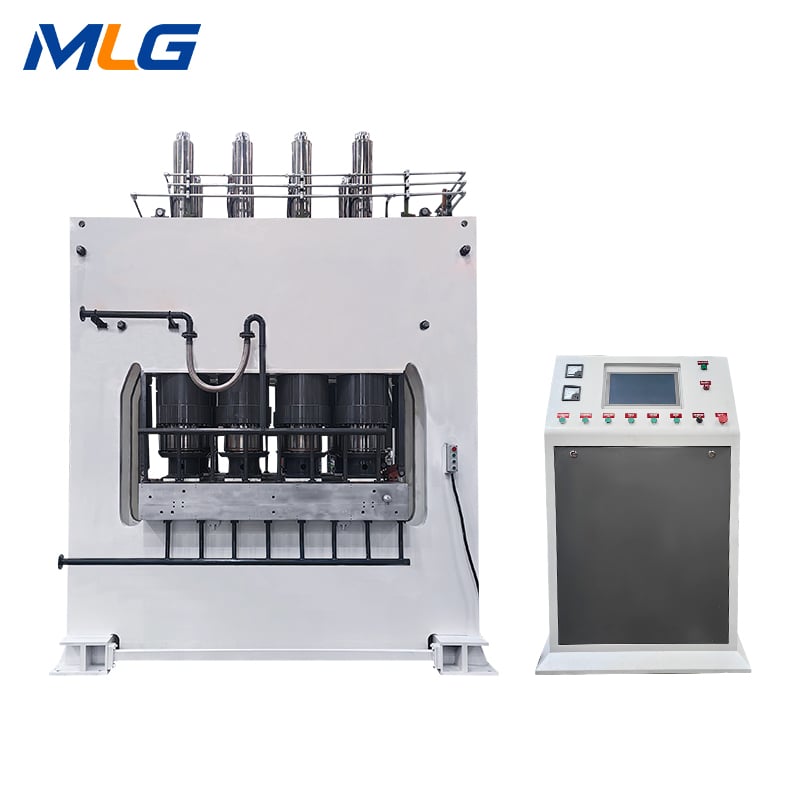
Evaluating these specifications against your operational requirements will help in selecting a Short Cycle Melamine Lamination Hot PressPlywood Machinery that meets both performance and budgetary constraints.

Wholesale Purchasing Tips for Plywood Lamination Machines

When purchasing MLG plywood lamination machines wholesale, it's crucial to approach the process strategically. Here are some tips to consider: 

Request Detailed Quotations: When contacting suppliers, provide them with as much information as possible about your needs, including the type of machine, expected production volume, and any specific features required. This will help suppliers provide accurate pricing. 

Consider Minimum Order Quantities (MOQ): Some manufacturers may have MOQs for wholesale purchases. Understanding these can help you plan your budget and inventory more effectively. 

Quality Assurance: Before finalizing a purchase, inquire about the manufacturer’s quality control processes. Machines should be tested for performance and durability before shipment. Requesting certifications or references from previous clients can also enhance trust. 

Negotiate Terms: Don't hesitate to negotiate pricing and terms of payment. Establishing a long-term relationship with a supplier could lead to better pricing and support down the line. 

Evaluate After-Sales Support: The availability of technical support, maintenance services, and spare parts is crucial for long-term operational efficiency. Ensure the supplier can provide reliable after-sales service.

What Buyers Need

Before purchasing a MLG plywood lamination machine, buyers should consider several essential aspects: 

Application Requirements: Clearly define the intended use of the machine. Will it be used for specific projects or a range of products? 

Customization Options: Determine whether you need a machine that can be customized to meet unique specifications. Some manufacturers offer tailored solutions that can optimize performance for specific applications. 

Lead Time: Inquire about the estimated lead time for delivery. Understanding this will help you manage production schedules and customer expectations effectively. 

Installation and Training: Consider whether the purchase includes installation support and operator training. Proper setup and training are vital to ensure the machine operates efficiently and safely. 

Sample Approval: Always request a sample or demonstration of the machine in operation, if possible. This allows you to evaluate the machine's performance and suitability for your specific needs before committing to a purchase. 

By taking these considerations into account, buyers can make well-informed decisions that align with their operational goals and budgetary limitations. 

Investing in a plywood lamination machine is not just about the initial price; it involves understanding the total cost of ownership, including maintenance and operational efficiencies. By carefully evaluating options and specifications, buyers can secure a machine that meets their production needs while maximizing value.

Understanding Plywood Lamination Machine Pricing and Options

The price of MLG plywood lamination machines can vary significantly based on several factors, including machine type, size, functionality, and additional features. Basic models that perform standard lamination can start at a lower price point, while more advanced machines equipped with automation, precision control, and enhanced safety features may command higher prices. Buyers should also consider whether they require additional capabilities, such as multi-layer lamination or integration with existing production lines, both of which can influence the total cost. 

Moreover, the cost of plywood lamination machine can also be affected by the sourcing of components and the manufacturing location. Machines manufactured in regions with lower labor costs may offer lower prices, but buyers must weigh this against potential differences in quality and after-sales support. It is advisable to request detailed quotes from multiple suppliers to compare prices and features effectively.

Get a Free Quote

Our representative will contact you soon.
0/1000