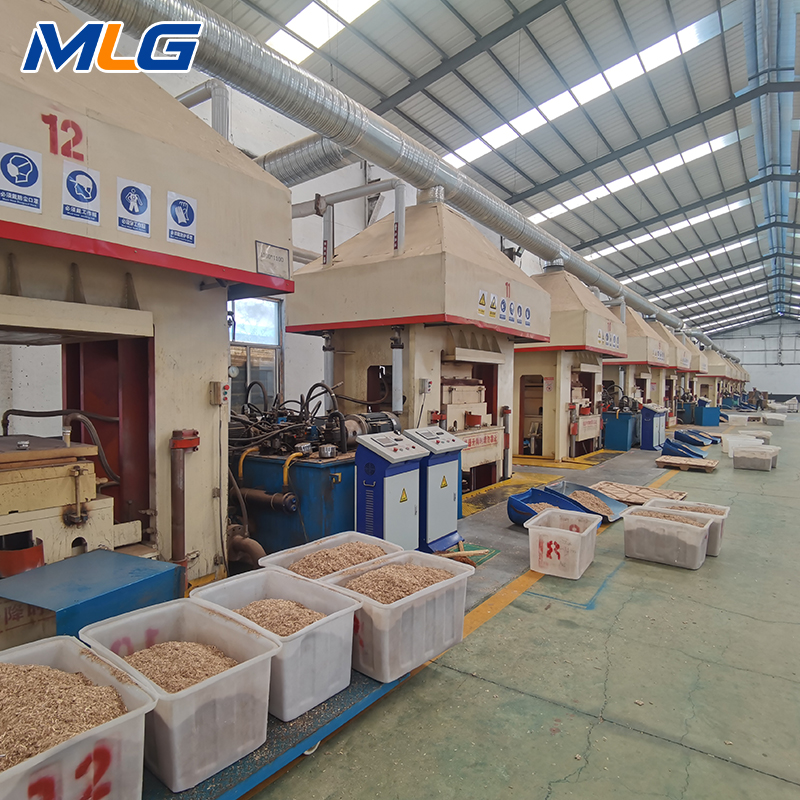
Choosing a Compressed Wood Pallet Machine

application/compressed-wood-pallet-machine, application/compressed-wood-pallet-machine, 
Inquiry
Inquiry

Compressed wood pallet machine

Choosing the right compressed wood pallet machine is crucial for manufacturers looking to enhance their production efficiency and sustainability. These plywood pressing machine are designed to produce durable and eco-friendly pallets from compressed wood fibers. As a B2B buyer, your primary concerns likely revolve around quality, production capacity, and cost-effectiveness. This article will help you navigate key considerations, specifications, and quality control measures to ensure you make an informed purchasing decision. 

Key Specifications for Quality Compressed Wood Pallet Machines

Understanding the technical specifications of MLG compressed wood pallet machines is vital for making an informed choice. Key specifications to consider include: 

Production Capacity: Measured in pallets per hour, this determines how quickly you can meet demand. A plywood pressing machine price with a higher capacity is beneficial for larger operations. 

Pressing Force: This is crucial for achieving the desired pallet density and strength. Insufficient pressing force may lead to weak pallets that do not meet industry standards. 

Power Consumption: Efficient machines consume less energy, which is important for long-term cost savings. Look for machines with energy-efficient motors and controls. 

Dimensions and Footprint: Ensure the machine fits within your production facility. The layout should allow for easy access and maintenance. 

Control Systems: Advanced control systems can enhance operational efficiency by providing real-time monitoring and adjustments. 

By carefully evaluating these specifications, you can select a machine that aligns with your production goals and operational constraints.

Cost Factors to Evaluate for Compressed Wood Pallet Machines

The cost of a compressed wood pallet machine can vary significantly based on several factors. First, consider the initial purchase price, which can range widely depending on the machine's capacity and features. While it may be tempting to choose the lowest-priced option, ensure that it meets your quality and production requirements. 

Additional costs to consider include installation, training for operators, and ongoing maintenance. Some manufacturers offer comprehensive service packages that cover installation and training, which can save you money in the long run. 

Another critical cost factor is the availability of spare parts. Machines that require specialized parts may incur higher maintenance costs over time. Verify that your supplier has a reliable supply chain for spare parts to avoid extended downtimes. 

Lastly, factor in the potential for customization. If your production needs evolve, a machine that can be easily upgraded or modified may provide better long-term value.

How to Ensure Quality Control in Compressed Wood Pallet Production

Quality control is essential in the production of compressed wood pallets to ensure they meet industry standards and customer expectations. Start by implementing a thorough inspection process for incoming materials. Verify that the wood fibers are of high quality, free from contaminants, and suitable for compression. 

During production, establish monitoring checkpoints at various stages to assess the quality of the output. This might include checking the density and dimensions of the pallets. Use tools such as moisture meters to ensure that the wood fibers are at the optimal moisture content for compression. 

Additionally, it’s advisable to conduct periodic testing of finished pallets to assess their strength and durability. This could involve load testing to ensure that the pallets can support the intended weight loads without failure. 

Finally, consider using automated quality assurance systems that can provide real-time data on production quality, helping you make adjustments as needed without interrupting the production flow.

Installation Guidance for Your Compressed Wood Pallet Machine

Proper installation of your compressed wood pallet machine is critical to ensuring optimal performance and longevity. Begin by preparing the installation site according to the manufacturer's specifications. This includes ensuring that the floor can support the machine's weight and that there is sufficient space for operation and maintenance. 

Follow the manufacturer's installation guidelines closely. This will typically include setting up the electrical and hydraulic systems, aligning the MLG machine components, and securing all moving parts. It's often beneficial to have experienced technicians from the manufacturer oversee the installation to ensure proper setup. 

After installation, conduct a thorough testing phase to ensure that all systems are functioning correctly. Check for any unusual sounds or vibrations that might indicate misalignment or other issues. Additionally, review the operator's manual with your team to familiarize them with the Plywood Glue Mixing Machine controls and maintenance requirements. 

Ensuring a smooth installation and testing process will help set the foundation for efficient and effective pallet production in your facility.

What to Consider When Choosing a Compressed Wood Pallet Machine

When selecting a MLG compressed wood pallet machine, several factors come into play. First, assess your specific production needs. Consider the volume of pallets you need to produce daily, as this will influence the machine's capacity requirements. For instance, a facility with a high throughput need would benefit from a high-capacity machine that can handle continuous operation. 

Next, evaluate the material compatibility. Not all machines are designed to work with the same type of wood fibers, so ensure the machine can process the specific wood materials you intend to use. Additionally, consider the machine's energy efficiency, as this can significantly impact operating costs over time. 

Another essential factor is the level of automation. Fully automated machines can reduce labor costs and improve consistency in pallet quality. However, they may come with a higher initial investment. Weigh the benefits of automation against your budget and operational capabilities.

Get a Free Quote

Our representative will contact you soon.
0/1000