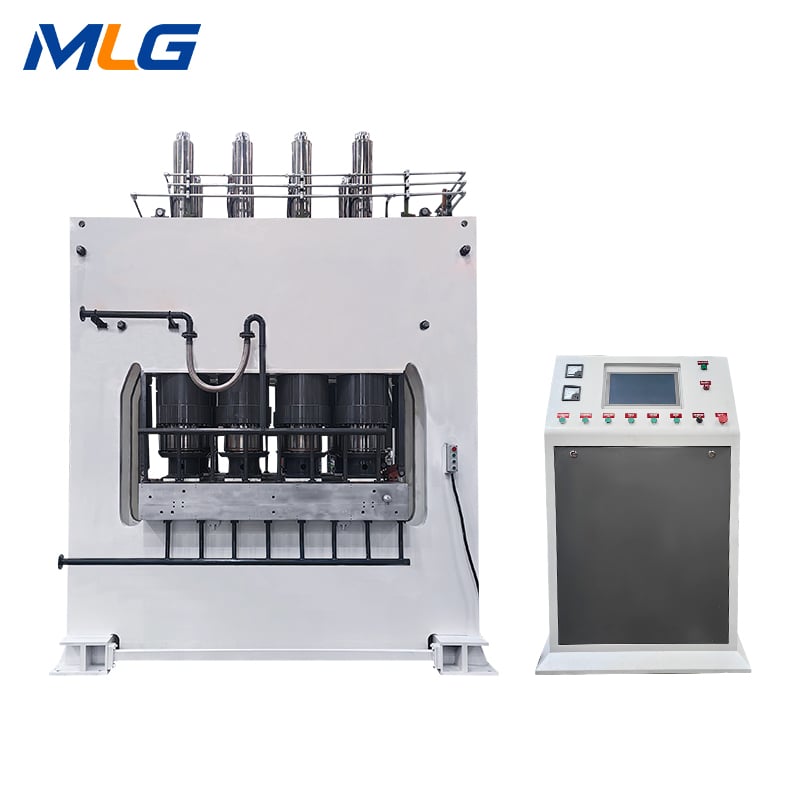
Wholesale Guide to Hot Press Plates for Manufacturing

application/hot-press-plates, application/hot-press-plates, 
Inquiry
Inquiry

Hot press plates

Hot press plates are essential components in the manufacturing of wood-based panels, including plywood, particleboard, and MDF. These plates apply heat and pressure to bond layers of material together, ensuring high-quality production. For B2B buyers, understanding the specifications, sourcing, and installation of hot press plates is crucial for ensuring production efficiency and reducing costs. This article aims to provide valuable insights into the wholesale purchasing process, supplier evaluation, installation guidance, applications, and common issues associated with hot press plates. 

Where to Find Reliable Suppliers of Hot Press Plates

Identifying reliable suppliers of hot press plates involves thorough research and evaluation. Start by looking for manufacturers with a proven track record in the industry. Suppliers that specialize in wood-based panel production machinery, like Shandong Menglianggu Machinery, often have extensive experience and expertise in producing high-quality hot press for plywood. Trade shows and industry conferences are excellent venues for connecting with suppliers and evaluating their offerings firsthand. Attending these events allows buyers to ask questions, assess the quality of the products, and gain insights into the latest technological advancements in hot press plate manufacturing. Online platforms and directories can also be useful for finding suppliers, but it is vital to verify their credibility. Look for customer reviews, case studies, and testimonials that demonstrate their reliability and quality. Engaging in direct communication with potential suppliers can also help assess their responsiveness and willingness to provide technical support. 

Installation Guidance for Hot Press Plates in Manufacturing

Proper installation of hot press plates is critical for ensuring optimal performance in production. Buyers should consult the manufacturer’s guidelines for specific installation instructions. Key considerations include ensuring that the plates are appropriately aligned and securely mounted on the pressing machine to avoid misalignment during operation. Before installation, it is essential to inspect the plates for any signs of damage or defects. Any imperfection can lead to uneven pressure distribution, resulting in poor product quality. Additionally, the heating system should be thoroughly tested to ensure that it reaches the required temperatures uniformly across the surface of the plates. Regular maintenance and calibration of the hot press system should be part of the installation process. This includes setting up a routine for checking the temperature and pressure settings to ensure they remain within the specified parameters during operation. A well-calibrated system not only enhances product quality but also prolongs the lifespan of the plates. 

Applications of Hot Press Plates in Wood-Based Panel Production

Hot press plates play a vital role in various applications within the wood-based panel production industry. They are primarily used in the manufacturing of plywood, particleboard, OSB (Oriented Strand Board), and MDF (Medium Density Fiberboard). Each application requires specific plate configurations based on the type of material being processed and the desired product characteristics. For example, in plywood production, hot press plates must provide consistent pressure across multiple layers of veneer to ensure a strong bond. In contrast, MDF production often involves finer wood particles, requiring plates that can distribute heat evenly to eliminate moisture effectively. Understanding the application requirements is crucial for selecting the right electric hot press for plywood. Moreover, customization of hot press plates can enhance performance. Buyers should discuss potential modifications with manufacturers, such as surface treatments that improve adhesion or coatings that reduce wear over time. Customization can help achieve specific production goals, enhancing overall efficiency and product quality. 

Common Problems with Hot Press Plates and Effective Solutions

Despite their essential role in the production process, hot press plates can encounter various issues that may affect their performance. One common problem is uneven heating, which can lead to inconsistent bonding in the panels. This issue can often be traced back to malfunctioning heating elements or improper calibration.  Regular maintenance and immediate repairs are crucial to preventing this problem from impacting production. Another frequent issue is surface wear and tear due to prolonged use. Buyers should monitor the condition of the plates and take action to replace or refurbish them as needed. Poor surface conditions can lead to defects in the final product, costing time and resources. Additionally, buyers should be aware of potential misalignment during the pressing process, which can result in uneven pressure distribution. Implementing a robust alignment procedure during installation and regular checks during operation can mitigate this issue. Ensuring that operators are trained to recognize and address these problems will also improve overall production efficiency. By understanding these challenges and proactive measures, buyers can optimize their use of hot press plates and enhance the quality of their wood-based panel products. 

Wholesale Purchasing Guide for Quality Hot Press Plates

When purchasing hot press plates, buyers should consider several key factors to ensure they receive quality products that meet their production needs. First, specifications such as material composition, thickness, and dimensions are critical. Hot press plates are typically made from high-quality steel or aluminum, which provides durability and excellent thermal conductivity. Thickness can affect the heat distribution and pressure applied during the pressing process, so it is essential to select plates that align with the specific requirements of your production line. Another important consideration is the manufacturing process. Buyers should inquire about the quality control measures in place at the manufacturing facility. This includes understanding the testing methods used to ensure that the plates can withstand the operational temperatures and pressures they will encounter. Additionally,  verifying certifications such as ISO standards can provide assurance of the manufacturer's commitment to quality. Price is a significant factor, but it should not be the sole consideration. The initial cost of Plywood Hot Press Machine may vary based on size and material, but buyers should also evaluate the long-term value, including durability and maintenance needs. Establishing a minimum order quantity (MOQ) that aligns with production schedules can help optimize purchasing efficiency. 

Get a Free Quote

Our representative will contact you soon.
0/1000