Evaluating Short Cycle Press Quality and Costs

application/short-cycle-press, application/short-cycle-press, 
Inquiry
Inquiry

Short cycle press

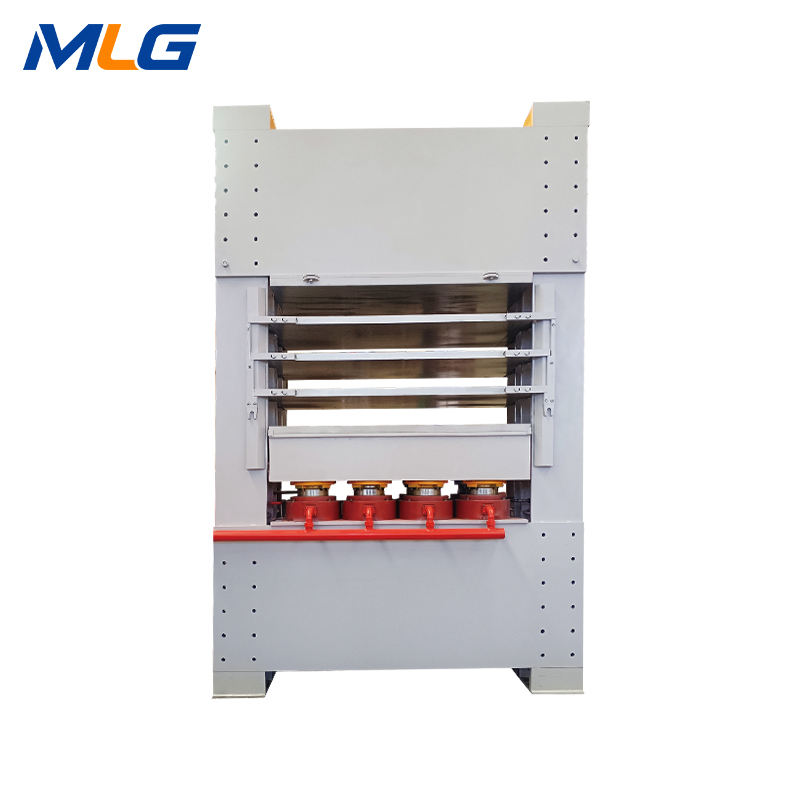
Short cycle presses are essential machinery in the wood-based panel manufacturing industry, providing efficient and high-quality production capabilities for products such as plywood, particleboard, OSB, and MDF. As a purchasing manager or engineer, understanding the nuances of short cycle press machine can help you evaluate potential suppliers and ensure that your production line operates smoothly. This article will guide you through the critical aspects of short cycle presses, addressing quality evaluations, cost factors for bulk orders, top applications, best practices, and common issues along with their solutions. 

Cost Factors to Assess for Bulk Orders of Short Cycle Presses

When evaluating costs for bulk orders of short cycle presses, several factors come into play. First, the initial purchase price is significant, but it should not be the only consideration. Assess the total cost of ownership, which includes maintenance costs, energy consumption, and potential downtime. Customization options can also influence pricing. Many manufacturers offer tailored solutions to meet specific production needs. While customized machinery may have a higher initial cost, it can lead to increased efficiency and productivity in the long run. Discuss your requirements with the manufacturer to obtain a precise quote that reflects these needs. Additionally, consider the lead time for production and delivery. Longer lead times can impact your production schedule and may incur additional costs if you need to expedite shipping. Ensure that you have a clear understanding of the expected delivery timeline, as well as any potential penalties for delays. Finally, don’t overlook the importance of after-sales support and warranty terms. A reliable warranty can save costs on unexpected repairs, while strong customer support can minimize downtime in case of machine malfunctions. 

Top Applications for Short Cycle Presses in the Manufacturing Sector

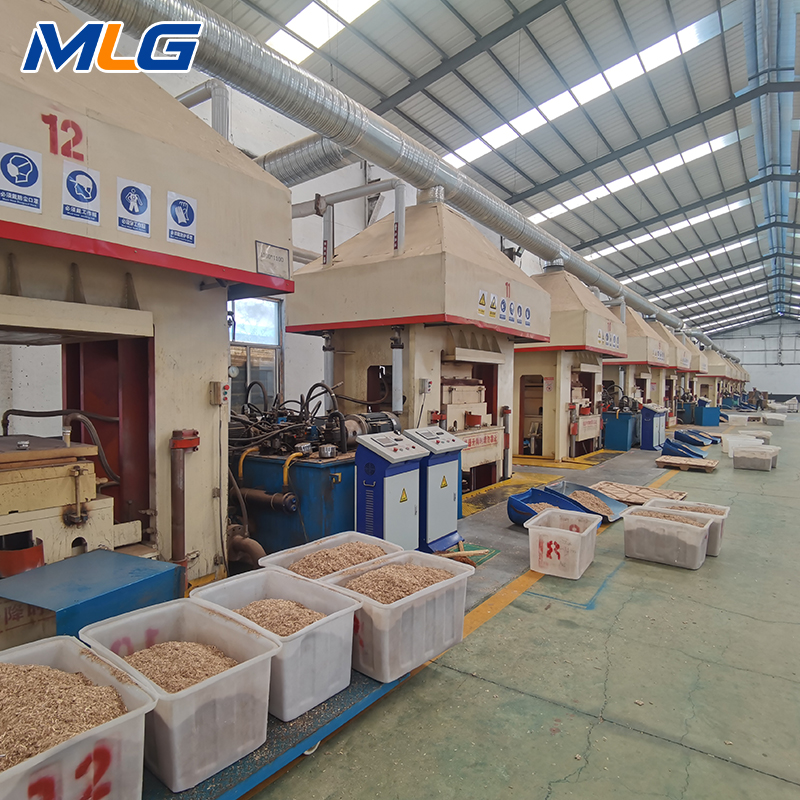
Short cycle presses are versatile machines widely used in various applications within the wood-based panel manufacturing sector. One of the primary applications is in the production of plywood, where the press ensures that layers of veneer are bonded together efficiently and uniformly. This is crucial for achieving the desired strength and aesthetic quality. Another significant application is in the manufacturing of particleboard and MDF. These materials require consistent density and thickness, which short cycle presses can provide through precise pressure and temperature control. The ability to produce these panels quickly and efficiently is essential for meeting market demands. Additionally, short cycle press machine are increasingly used for laminating surfaces, often with decorative papers or films. This application enhances the aesthetic appeal of panels while also providing additional durability. The quick cycle times of short cycle presses make them ideal for high-volume production runs, allowing manufacturers to respond swiftly to changing market trends. 

Best Practices

To maximize the performance and longevity of short cycle presses, certain best practices should be followed. First, regular maintenance is critical. Establish a maintenance schedule that includes routine inspections of key components such as hydraulic systems, heating elements, and electrical connections. This proactive approach can prevent unexpected breakdowns and ensure consistent product quality. Next, ensure that operators are adequately trained in the machine's operation and safety protocols. Understanding how to set the press parameters correctly and recognize early signs of potential issues can significantly reduce the risk of errors and accidents on the production line. Moreover, it's advisable to monitor production metrics closely. Keeping track of cycle times, energy consumption, and defect rates can provide valuable insights into the machine's performance and highlight areas for improvement. Using this data can also aid in making informed decisions when considering upgrades or modifications to the production process. Finally, maintain open communication with your supplier regarding any changes in your production needs. They can offer advice on machine adjustments or upgrades that could enhance efficiency or quality, ensuring that your production line remains competitive. 

Common Problems with Short Cycle Presses and Effective Solutions

Despite their efficiency, short cycle presses can encounter several common issues that may disrupt production. One frequent problem is uneven pressure distribution,  which can lead to inconsistent panel quality. To address this, regularly check the alignment of the press platens and ensure that they are clean and free from debris that could affect pressure application. Another common issue is temperature fluctuations during the pressing cycle. Inconsistent heating can result in poor adhesive bonding and visible defects in the finished product. Regularly calibrate the heating system and invest in monitoring technology that tracks temperature changes throughout the pressing process. Additionally, operators may face challenges with material feed inconsistencies, which can lead to jams or damage to the press. Implementing a robust material handling system can mitigate this issue. Ensure that materials are cut to the correct dimensions and free from defects before they enter the press. Lastly, if the machine shows signs of excessive wear or noise, it is essential to address these symptoms immediately. Ignoring such signs can lead to more significant issues down the line. A thorough inspection and prompt repair can prevent costly downtime and maintain production efficiency. By understanding the intricacies of short cycle presses, you can make more informed decisions, ensuring your manufacturing process remains efficient and competitive. 

How to Evaluate the Quality of Short Cycle Press Machinery

When assessing the quality of short cycle presses, several key specifications should be taken into account. First, the press's platen size and thickness are critical they directly impact the uniformity and quality of the panels produced. A larger platen can accommodate larger panels, while thicker platens provide better heat retention and distribution. Next, consider the press's heating system. short cycle press line typically utilize either electric or steam heating. Electric systems offer quick temperature adjustments and are generally more energy-efficient, while steam systems provide consistent heat but may have longer warm-up times. Understanding the heating method is vital as it affects energy consumption and production speed. Moreover, the press's cycle time is a crucial indicator of productivity. Short cycle presses are designed to operate efficiently, often completing a full cycle in a matter of minutes. Ensure that the machine meets your production targets while maintaining the necessary quality standards. It's also advisable to review the manufacturer's quality control processes, including any certifications they hold, which can provide assurance of the machine's reliability and performance. 

Get a Free Quote

Our representative will contact you soon.
0/1000