Choosing an Automatic Hot Press Machine for Production

application/automatic-hot-press-machine, application/automatic-hot-press-machine, 
Inquiry
Inquiry

Automatic hot press machine

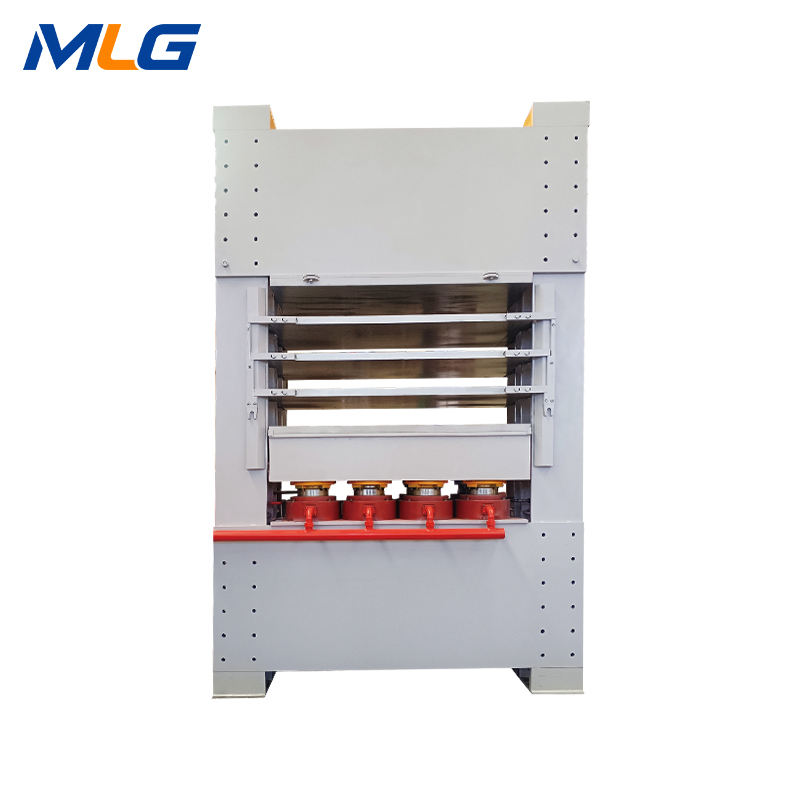
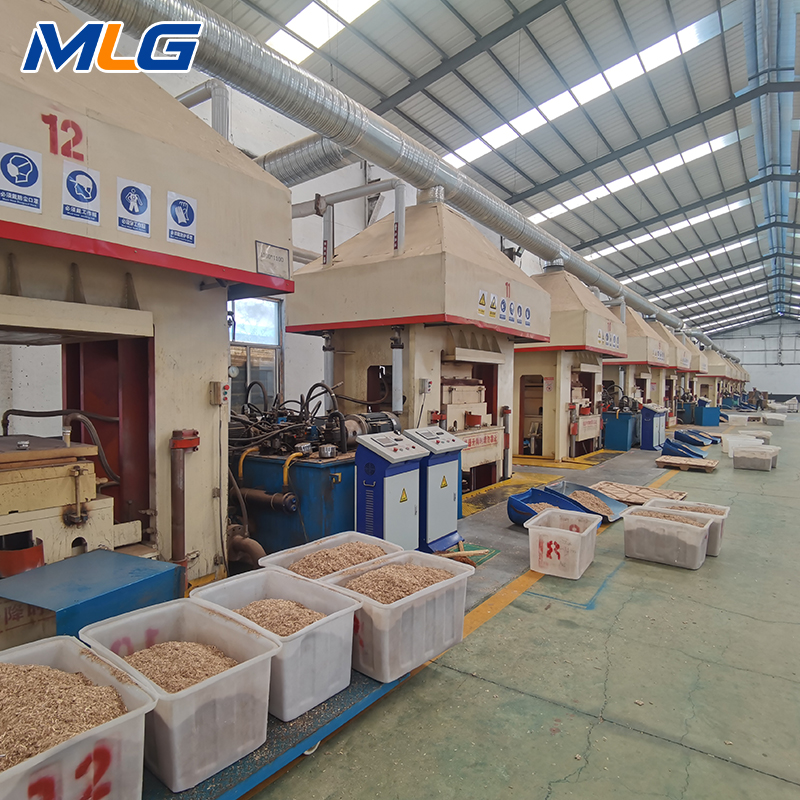
An automatic hot press machine is essential for wood-based panel production, effectively bonding layers of material under heat and pressure. Buyers often prioritize durability, efficiency, and compatibility with existing production lines. This article will explore key considerations for selecting a Plywood Hot Press Machine, quality control practices in manufacturing, how to evaluate supplier reliability, common issues encountered, and cost factors to keep in mind when making a purchase.

Quality Control Practices for Automatic Hot Press Machine Manufacturing

Quality control (QC) is paramount in the manufacturing process of MLG automatic hot press machines. Reliable QC practices ensure that the machines meet performance standards and operate efficiently. Key aspects of QC include material inspection, production monitoring, and final testing. 

Firstly, the materials used in the machine's construction—such as steel for frames and components—should be inspected for strength and durability. This step is crucial as the quality of materials can significantly influence the machine's lifespan and maintenance needs. 

During production, implementing regular monitoring of manufacturing processes helps identify potential issues early. For example, dimensional checks can confirm that the components are fabricated to precise specifications, ensuring proper assembly and functionality. 

Finally, conducting thorough testing before shipping is essential. This includes simulating operational conditions to verify that the machine performs as expected under various scenarios. By prioritizing these QC practices, manufacturers like Shandong Menglianggu Machinery can deliver reliable hot press machine that meet the expectations of buyers across diverse markets.

How to Evaluate Supplier Reliability for Hot Press Machines

When sourcing an automatic hot press machine, evaluating supplier reliability is critical to ensuring a successful partnership. Start by researching the supplier's experience in the industry, including their track record with other clients and their standing in the market. A supplier with a strong reputation and a history of satisfied customers is often a good indicator of reliability. 

Next, consider the supplier's manufacturing capabilities. A well-equipped factory with modern technology and skilled personnel can significantly impact the quality of the machines produced. It's advisable to request references or testimonials from previous clients to gain insights into their experiences. 

Additionally, assess the supplier's responsiveness and customer service. Effective communication is vital in addressing any concerns during the purchasing process and post-sale support. Reliable suppliers will provide timely responses to inquiries and offer clear information about machine specifications, lead times, and warranty terms. 

Lastly, inquire about the supplier's quality assurance processes. A supplier that prioritizes quality control and has certifications in place demonstrates a commitment to producing high-quality machines that meet industry standards.

Common Problems with Automatic Hot Press Machines and Their Solutions

MLG Automatic hot press machines, while efficient, can encounter several common issues that may disrupt production. One prevalent problem is uneven pressure distribution, which can lead to inadequate bonding and defects in the final product. This issue can often be resolved by regularly checking and calibrating pressure settings and ensuring that the machine's platens are properly aligned. 

Another common concern is overheating, which can cause damage to both the machine and the materials being processed. To mitigate this risk, operators should monitor temperature settings closely and implement routine maintenance checks on heating elements to ensure they function correctly. 

Lastly, frequent machine breakdowns can result from wear and tear on components. To address this, establishing a preventive maintenance schedule is crucial. Routine inspections and timely replacement of worn parts can significantly extend the machine's operational lifespan and reduce downtime. 

By proactively identifying and addressing these issues, manufacturers can maintain efficient production processes and uphold product quality.

Cost Factors to Consider When Purchasing an Automatic Hot Press Machine

The cost of a MLG automatic hot press machine can vary significantly based on several factors. First, the machine's specifications, including size, capacity, and features, will directly influence the price. Machines with advanced automation features or higher production capacities typically command higher prices. 

Additionally, consider the long-term operational costs associated with the machine. This includes energy consumption, maintenance requirements, and potential downtime costs. A hot press machine for plywood with higher energy efficiency may have a higher upfront cost but can lead to significant savings over time. 

Customization options can also affect pricing. If your production process requires specific modifications, such as unique dimensions or specialized materials, these customizations may increase the overall cost. 

Finally, don't overlook the importance of supplier reputation and after-sales support in your cost considerations. A reliable supplier may charge a premium but can offer peace of mind through quality assurance and ongoing support, potentially saving you money in the long run by minimizing operational disruptions. 

By understanding these cost factors, buyers can make informed decisions that align with their budget and production goals.

What to Consider When Choosing an Automatic Hot Press Machine

Selecting the right automatic hot press machine involves evaluating several critical factors. First, assess the machine's capacity and specifications, including the maximum pressure it can apply and the temperature range it can reach. These parameters are crucial as they directly affect the quality of the final product. For instance, a machine that can maintain higher temperatures may be better suited for certain types of adhesives used in plywood or MDF production. 

Additionally, consider the machine's compatibility with your existing production line. This includes its size, power requirements, and any necessary auxiliary equipment. Depending on your production goals, you may also want to explore options for customization, such as modifications for specific panel sizes or materials. 

Finally, look into the machine's automation features. Advanced models may offer programmable settings, real-time monitoring, and integration with other manufacturing technologies, enhancing operational efficiency. Ensuring that the machine aligns with your production needs will help you avoid costly adjustments post-purchase.

Get a Free Quote

Our representative will contact you soon.
0/1000