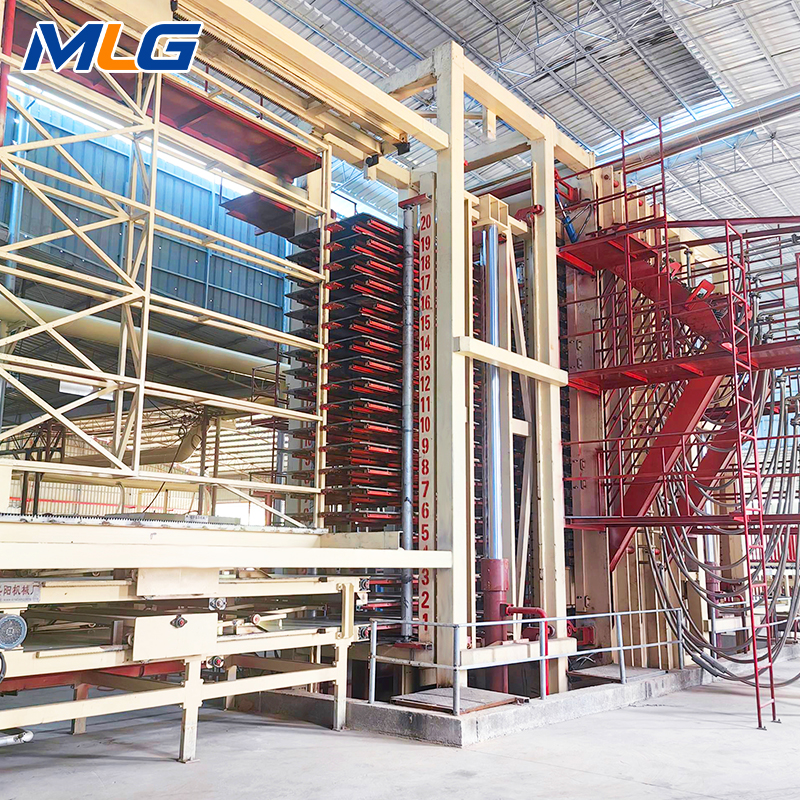
Understanding Particle Board Machine Specifications

application/particle-board-machine, application/particle-board-machine, 
Inquiry
Inquiry

Particle board machine

Understanding particle board machines is crucial for companies involved in the wood-based panel industry, whether you're a manufacturer, distributor, or purchasing manager. These machines play a vital role in producing particle boards, which are widely used in furniture, construction, and cabinetry. This article will address key specifications, selection criteria, cost factors, common installation problems with particle board machines, and the essential features and benefits of Particle Board Machinery, helping you make informed purchasing particle board machines decisions. 

How to Choose the Right Particle Board Machine for Your Needs

Selecting the right particle board machine involves analyzing several factors to match your production goals. First, assess the scale of your operation. For large-scale production, continuous machines are more suitable due to their higher output, while batch machines may work better for smaller operations. 

Next, evaluate the raw materials you plan to use. Different machines support various types of wood particles, including sawdust, wood shavings, and recycled materials. Ensure that the particle board furniture making machine you choose can handle the specific type of material you intend to process. 

Customization capabilities are also vital. If your business requires unique board specifications such as thickness or density ensure that the machine can be tailored accordingly. Additionally, consider the machine’s automation level. Higher automation may result in lower labor costs and increased efficiency. 

Lastly, consult with your potential suppliers about their technical support and service capabilities. Reliable after-sales service can significantly impact your operational efficiency, especially in troubleshooting and maintenance. 

Cost Factors to Consider When Purchasing Particle Board Machines

The total cost of purchasing a particle board machine encompasses more than just the initial purchase price. Here are several cost factors to consider: 

Machine Price: The base price varies widely based on specifications, capacity, and technology. Machines with higher automation and advanced features typically come at a premium. 

Installation Costs: Factor in the expenses related to installation, which may include foundation work, utilities setup, and transportation. 

Operating Costs: Assess the machine's energy consumption and maintenance requirements. Machines that are energy-efficient and have lower maintenance needs can lead to significant savings over time. 

Training Costs: Often overlooked, training staff to operate the new machinery can incur additional costs. Ensure that the supplier provides adequate training resources. 

Warranty and Support: Evaluate the warranty period and the terms of after-sales support. A longer warranty can provide peace of mind, while reliable support can minimize downtime. 

Customization Costs: If you require specific configurations or features, be prepared for potential additional costs. 

By considering these factors, you can arrive at a more accurate total cost of ownership, allowing for better financial planning. 

Common Installation Problems with Particle Board Machines and Solutions

Installation of particle board machines can present several challenges. Below are common problems along with their solutions: 

Space Constraints: Often, the installation site may not have adequate space for the machine. To avoid this, conduct a thorough site assessment before purchase to ensure that all dimensions are accounted for. 

Utility Compatibility: The machine may require specific electrical or water supply configurations. Confirm compatibility with your existing infrastructure to avoid delays during installation. 

Alignment Issues: Misalignment during setup can lead to operational inefficiencies. Utilize laser alignment tools during installation to ensure that all components are correctly positioned. 

Inadequate Support Structures: If the foundation or supports are not strong enough, it can lead to vibration issues during operation. Ensure that the installation team follows manufacturer guidelines for base construction. 

Technical Training Gaps: Insufficient training can lead to operational errors. Arrange for comprehensive training sessions with the supplier to familiarize your team with the machine’s operation and maintenance. 

By anticipating these common issues and preparing solutions in advance, you can streamline the installation process and minimize disruption to your production schedule. 

Key Features and Benefits

Investing in a particle board machine offers several key features and benefits that can enhance your production capabilities: 

Versatility: Modern particle board machines can handle a variety of raw materials, allowing for greater flexibility in production. This versatility enables manufacturers to adapt to changing market demands quickly. 

High Efficiency: Advanced machines are designed for optimal efficiency, with features such as fast cycle times and automated processes that reduce labor costs and improve output quality. 

Customization Options: Many machines allow for customization in terms of board thickness, density, and surface finishes, enabling manufacturers to meet specific customer requirements. 

Quality Control: Integrated quality control systems help monitor and maintain product standards throughout the production process, reducing waste and ensuring consistency. 

Sustainability: With growing emphasis on sustainable manufacturing, many particle board machines are capable of processing recycled materials, contributing to environmental conservation efforts. 

Technical Support: Reputable manufacturers often provide ongoing technical support and training, ensuring that your team can effectively operate and maintain the machinery. 

By understanding these features and benefits, you can better appreciate the value of investing in a particle board machine, ensuring it aligns with your production goals and quality standards. 

Understanding Particle Board Machine Specifications for Bulk Orders

When considering a particle board machine for bulk orders, understanding the specifications is paramount. Key specifications include production capacity, which typically ranges from 2 to 50 cubic meters per hour, depending on the model and configuration. The machine’s power consumption is another critical factor, often between 100 to 500 kW, affecting operational costs. 

Moreover, the dimensions of the machine should align with your facility's layout. It's essential to assess the size and weight to ensure proper installation space. The type of materials used in construction like high-strength steel for durability, also impacts the machine's longevity and performance. Additionally, consider the particle board machine price employed, such as whether it utilizes continuous or batch processing, as this can influence productivity and operational efficiency. 

Understanding these specifications allows you to align the machine capabilities with the expected production volume and application requirements, ensuring that your investment meets business needs. 

Get a Free Quote

Our representative will contact you soon.
0/1000