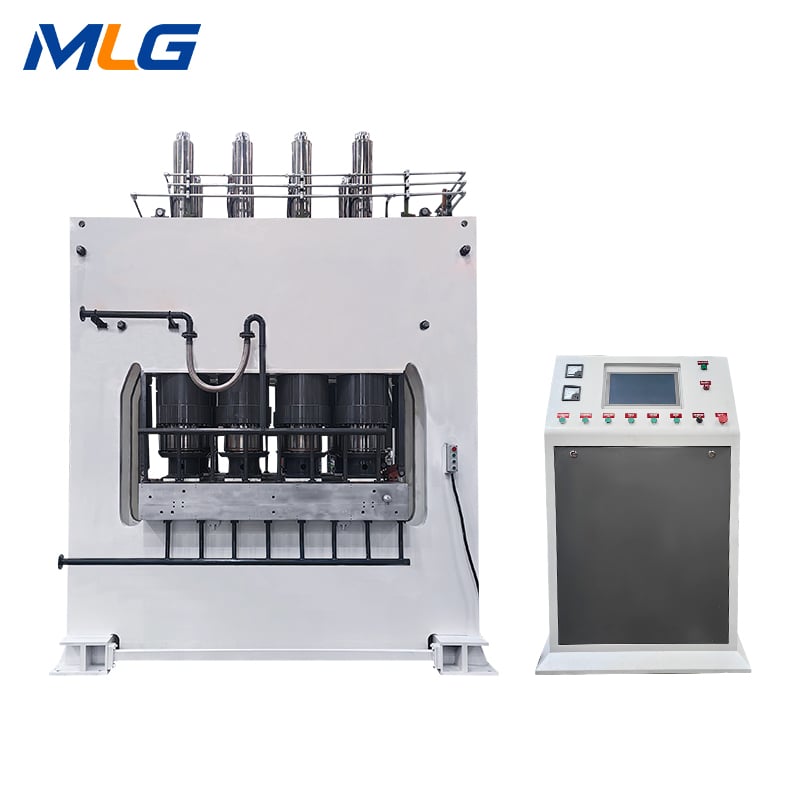
Understanding Hot Press Price and Specifications

application/hot-press-price, application/hot-press-price, 
Inquiry
Inquiry

Hot press price

When considering the acquisition of a hot press, understanding its price and the factors that influence costs is crucial for making an informed purchase. A hot press is an essential piece of machinery in the wood-based panel production process, used for compressing materials like plywood, particleboard, OSB, and MDF. Buyers often face concerns regarding product specifications, quality, efficiency, and overall cost-effectiveness. This article will help you navigate these considerations to ensure you select the right hot press for plywood for your manufacturing needs.

What Factors Influence Costs?

The price of a MLG hot press can vary significantly based on several influencing factors: 

Technology and Features: Advanced features such as automated controls, energy-saving components, and integrated safety systems can increase upfront costs but may lead to lower operational costs and better production efficiency over time. 

Material Quality: The materials used in the construction of the electric hot press for plywood itself can affect the price. Higher-quality materials might have a higher initial cost but can offer better durability and lower maintenance needs. 

Production Capacity: Larger presses with higher capacity typically come at a premium. Assess your production needs to avoid over-investing in machinery that exceeds your requirements. 

Customization and Additional Features: Custom designs or specialized features tailored to specific production processes can increase costs. It's essential to weigh the benefits of these features against your budget. 

Shipping and Installation Costs: Don't forget to consider the total cost of ownership, including shipping, installation, and any necessary training for your staff. 

Discussing your specific needs with manufacturers can help clarify costs and provide insight into potential savings or necessary investments.

Evaluating Hot Press Specifications for Optimal Production Efficiency

When assessing the specifications of a MLG hot press, several key parameters can impact production efficiency: 

Pressure and Temperature Settings: The ability to adjust pressure and temperature accurately is critical. Each material requires specific conditions to achieve the desired density and surface quality. 

Heating Method: Hot presses may use different heating methods, such as oil, steam, or electric, which can affect operational costs and efficiency. Understanding these methods can help you select an option that aligns with your production goals. 

Cycle Time: The duration of each pressing cycle affects overall production efficiency. A hot press with faster cycle times can yield more panels in less time, improving throughput. 

Control Systems: Modern hot presses often feature advanced control systems that allow for precise adjustments and monitoring of the pressing conditions. This can enhance quality control and reduce waste. 

Durability and Maintenance Requirements: Regular maintenance is essential for operational efficiency. A hot press designed for easy maintenance can minimize downtime and extend the machine's lifespan. 

By carefully evaluating these specifications, you can select a hot press that maximizes your production efficiency while meeting your quality standards.

Common Problems with Hot Presses and Effective Solutions

Hot presses can encounter various issues during operation. Being aware of these common problems and their solutions can help mitigate potential disruptions: 

Uneven Pressure Distribution: This can lead to inconsistent panel quality. Regularly inspect the press for wear and tear, and ensure that pressure settings are calibrated correctly. 

Temperature Fluctuations: Inconsistent heating can affect the bonding quality of materials. Check the heating elements and control systems to ensure they function correctly. 

Material Misalignment: Misalignment can occur during loading, leading to defective panels. Implementing guide systems or automatic loading features can help maintain proper alignment. 

Excessive Wear on Components: Over time, components like belts and seals can wear out. Establishing a regular maintenance schedule can prevent unexpected breakdowns. 

Operator Errors: Training operators on proper loading techniques and machine operation can significantly reduce mistakes that lead to production issues. 

By proactively addressing these problems and implementing effective maintenance strategies, you can enhance the reliability of your hot press operations.

Understanding Quality Control in Hot Press Manufacturing Processes

Quality control is a vital aspect of MLG hot press manufacturing that directly impacts the final product. Key considerations include: 

Material Inspection: Before the pressing process begins, ensure that the raw materials meet the necessary specifications for moisture content, density, and quality. This step is crucial for achieving optimal bonding and structural integrity in the final panels. 

Monitoring Press Conditions: Continuous monitoring of pressure and temperature settings during production helps ensure that each panel adheres to quality standards. Automated systems can aid in maintaining these parameters consistently. 

Final Product Testing: Conduct regular tests on finished panels to evaluate their strength, surface finish, and overall quality. This can include physical tests such as bending strength or visual inspections for surface defects. 

Documentation and Reporting: Keeping detailed records of production parameters and quality checks helps identify trends or recurring issues, enabling you to make informed decisions about process improvements. 

Supplier Collaboration: Working closely with suppliers like Shandong Menglianggu Machinery can enhance quality control efforts, as they can provide insights into best practices and support in resolving quality issues. 

By implementing robust quality control measures, you can ensure that your hot press machine for plywood produces high-quality wood-based panels that meet industry standards and customer expectations. 

How to Choose the Right Hot Press for Your Manufacturing Needs

Selecting the appropriate hot press requires a comprehensive understanding of your production requirements. Key factors to consider include: 

Production Capacity: Determine the volume of panels you intend to produce daily or weekly. This will influence the size and power of the hot press you need. 

Material Type: Different materials may require varying pressing conditions. For instance, MDF and OSB might demand different temperatures and pressures compared to plywood. Ensure the hot press is compatible with the materials you plan to use. 

Pressing Dimensions: Evaluate the dimensions of the panels you will be producing. The hot press must accommodate these dimensions to ensure efficient production. 

Customization Needs: If your production line requires unique specifications or features, consider manufacturers that offer customization options to suit your particular applications. 

Energy Efficiency: With rising operational costs, choosing a hot press that offers energy-efficient features can lead to long-term savings. 

Before making a decision, it's advisable to consult with manufacturers like Shandong Menglianggu Machinery, who can provide tailored solutions based on your specific needs.

Get a Free Quote

Our representative will contact you soon.
0/1000