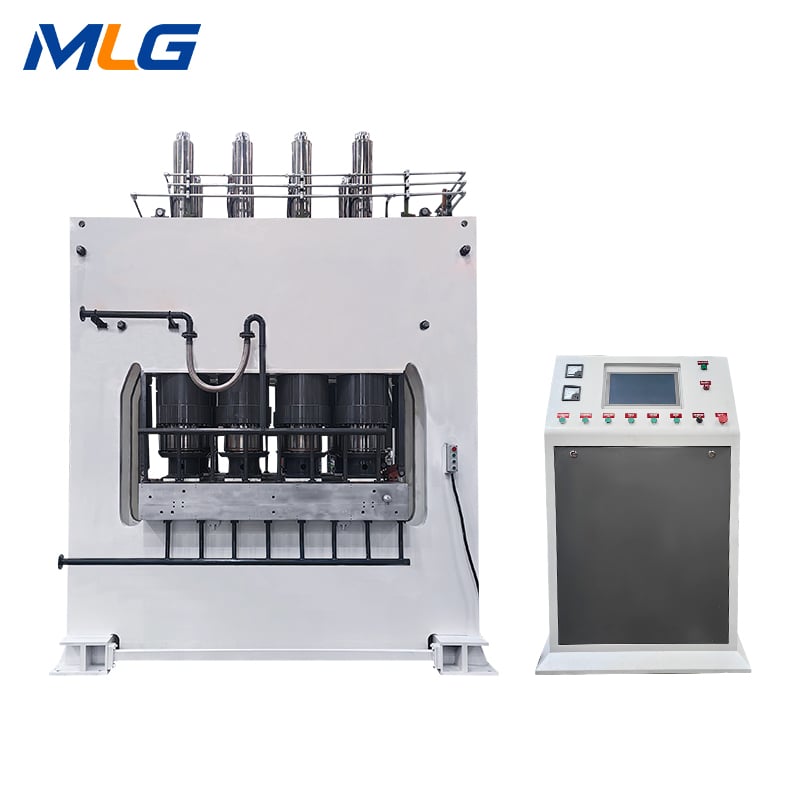
Choosing a Laminate Pasting Machine for Plywood

application/laminate-pasting-machine-on-plywood, application/laminate-pasting-machine-on-plywood, 
Inquiry
Inquiry

Laminate pasting machine on plywood

In the manufacturing sector, a laminate pasting machine on plywood is essential for producing durable, high-quality wood-based panels. This machinery ensures efficient adhesive application, crucial for ensuring the structural integrity of plywood products. B2B buyers, such as purchasing managers and engineers, often face concerns about choosing the right hot press laminate machine, installation processes, and the potential for operational issues. This article aims to guide you through selecting a reliable supplier, understanding key specifications, navigating installation, troubleshooting common problems, and evaluating cost factors when purchasing laminate pasting machines. 

Key Specifications of Laminate Pasting Machines for Plywood

When evaluating MLG laminate pasting machines, several key specifications should be considered to ensure they meet your production needs. 

Adhesive Application Method: Machines may use roller, spray, or brush application methods. The choice impacts the uniformity of adhesive distribution, which is crucial for product quality. 

Production Speed: Measured in square meters per hour, this specification affects overall productivity. For large-scale operations, selecting a machine with higher throughput can significantly enhance efficiency. 

Working Width: Ensure the machine's working width accommodates your plywood dimensions. A mismatch could lead to production delays and increased waste. 

Control Systems: Modern machines often feature automated or semi-automated control systems for precision in adhesive application. The ability to adjust settings easily can enhance operational efficiency and reduce errors. 

Durability and Maintenance Requirements: Consider the materials and build quality of the plywood laminate pressing machine price. A robust design typically translates to lower maintenance costs and longer operational life. 

Understanding these specifications helps ensure that the laminate pasting machine you select is suitable for your specific production needs.

Installation Guidance for Laminate Pasting Machines in Your Facility

Proper installation of laminate pasting machines is vital for optimal performance and longevity. Begin by preparing the installation site, ensuring that it meets the necessary space, electrical, and ventilation requirements as outlined by the manufacturer. 

During installation, it's crucial to follow the manufacturer’s guidelines meticulously. This typically includes leveling the machine, connecting it to power supplies, and integrating it with existing production lines. If your facility has unique dimensions or workflow requirements, consult the supplier about customization options that may enhance compatibility. 

After installation, conduct thorough testing to ensure all systems function correctly. This includes checking the adhesive application process and ensuring that all control systems respond accurately to inputs. Engaging the supplier for on-site support during this phase can be beneficial, as their expertise can help troubleshoot any issues that arise.

Common Problems with Laminate Pasting Machines and Their Solutions

Like any machinery, MLG laminate pasting machines may encounter operational issues. One common problem is inconsistent adhesive application, which can result from clogged nozzles or worn rollers. Regular maintenance, including cleaning and timely replacement of these components, is essential to maintain product quality. 

Another issue can arise from misalignment during operation, leading to uneven adhesion and product defects. Ensuring the machine is correctly calibrated and regularly checking alignment can mitigate this problem. 

Additionally, machinery breakdowns can occur due to electrical or mechanical failures. Establishing a routine maintenance schedule with your supplier can help identify potential issues before they lead to significant downtime. 

Lastly, ensure that operators are adequately trained in using the machinery. Misuse can often lead to preventable issues, so training programs should be a priority for any facility utilizing laminate pasting machines. 

Cost Factors to Consider When Purchasing Laminate Pasting Machines

When budgeting for a MLG laminate pasting machine, several cost factors must be taken into account. The initial purchase price is just one aspect of the total cost of ownership. Consider the following: 

Installation Costs: Depending on the complexity of installation and whether it requires specialized labor, installation costs can vary significantly. 

Operating Costs: Factor in the cost of adhesives, energy consumption, and maintenance supplies. Machines that are energy-efficient may offer long-term savings. 

Spare Parts and Maintenance: Understand the costs associated with routine maintenance and the availability of spare parts. A machine with readily available parts may save you money and time in the long run. 

Training Costs: Investing in training for your staff can improve efficiency and reduce the likelihood of operational errors, ultimately saving costs related to rework and downtime. 

Customization Options: If your production requires specific features, customization may increase the initial cost but could enhance efficiency and product quality. 

By considering these factors, you can better assess the overall financial impact of purchasing a laminate pasting on plywood machine and make an informed decision that aligns with your operational goals.

How to Choose a Reliable Supplier for Laminate Pasting Machines

Selecting a trustworthy supplier for laminate pasting machines involves evaluating several critical factors. First, assess the supplier's experience and expertise in manufacturing machinery specifically tailored for wood-based panels. Look for companies with a proven track record, ideally with years of experience in the industry, as this often correlates with product quality and reliability. 

Next, consider the supplier’s technical support and service capabilities. A reputable manufacturer should offer comprehensive after-sales support, including installation guidance, maintenance services, and readily available spare parts.  Additionally, check for customer testimonials and case studies that showcase successful installations and satisfied clients. 

Lastly, ensure that the supplier complies with relevant industry standards and certifications. This can provide reassurance about the quality and safety of their equipment, as well as their commitment to continuous improvement processes.

Get a Free Quote

Our representative will contact you soon.
0/1000