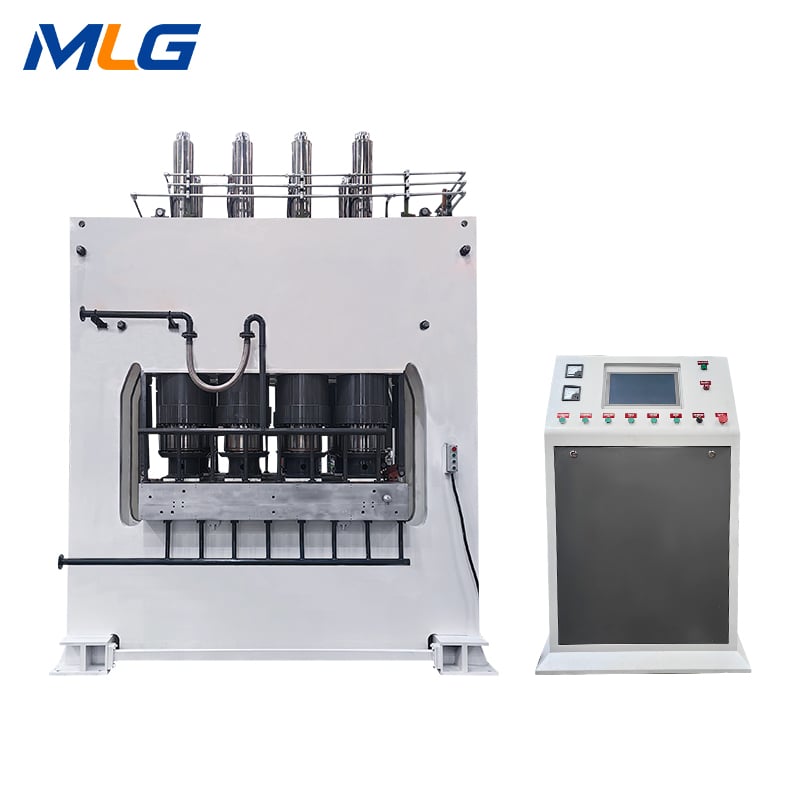
Choosing the Right Hot Press Plate for Manufacturing

application/hot-press-plate, application/hot-press-plate, 
Inquiry
Inquiry

Hot press plate

Hot press plates are crucial components in the manufacturing of wood-based panels, providing the necessary heat and pressure to bond materials like plywood, particleboard, and MDF. For B2B buyers, understanding how to select the right hot press plate is vital to ensure efficient production and high-quality output. This article addresses key concerns such as specifications, quality evaluation, and common issues associated with hot press for plywood, providing insights that will help you make informed purchasing decisions. 

Wholesale Purchasing Guide for High-Quality Hot Press Plates

When sourcing hot press plates, it’s essential to establish a clear understanding of your purchasing needs. Begin by determining the quantity required, as many manufacturers offer better pricing for bulk orders. Be prepared to discuss your specific application requirements with suppliers, including the type of wood-based panels you intend to produce and any special performance characteristics your products must meet. 

Next, request detailed specifications from potential suppliers. These should include the material type, dimensions, weight, and any certifications that indicate quality and safety standards. Assessing the manufacturer’s reputation and experience is also critical. Established companies like Shandong Menglianggu Machinery, which has extensive experience in producing wood-based panel production lines, can offer insights into the most suitable hot pressing of plywood for your needs. 

Additionally, inquire about lead times and shipping options. Understanding these factors early in the purchasing process can help you avoid delays in production. Don’t forget to ask about the minimum order quantity (MOQ) to ensure that your order meets the supplier’s requirements.

Evaluating the Quality of Hot Press Plates for Your Projects

Quality evaluation of hot press plates should be thorough to avoid costly production issues. Start by inspecting the material quality. High-grade steel or aluminum should be free from defects such as cracks, warping, or discoloration. A visual inspection can often reveal surface imperfections that could impact performance. 

Next, consider obtaining samples for testing. Before committing to a large order, testing a sample plate under actual operating conditions can help verify its performance. Pay attention to how well the plate retains heat and distributes pressure during the pressing cycle. Look for signs of wear or deformation, which can indicate potential issues in the manufacturing process. 

Additionally, review any certifications or quality control processes that the manufacturer adheres to. This could include ISO certifications or adherence to specific industry standards, which can provide confidence in the quality and safety of the products.

Ensuring Optimal Performance

To ensure optimal performance of MLG hot press plates, regular maintenance and inspection are essential. Establish a routine check-up schedule to monitor the condition of the plates, particularly for signs of wear or damage. This is particularly important if the plates are used in high-temperature or high-pressure environments, as these conditions can accelerate deterioration. 

Proper alignment during installation is crucial. Misalignment can lead to uneven pressure distribution, causing defects in the final product. Implementing precise installation procedures can help avoid these problems. Additionally, maintaining the correct temperature settings during operation is vital for achieving consistent bonding quality. 

If you notice recurring issues, such as uneven bonding or surface defects, consider reviewing the entire pressing process. Sometimes, external factors such as material feed quality or press cycle times can affect the performance of the hot press plates.

Common Issues with Hot Press Plates and Their Solutions

Common issues faced with MLG hot press plates include surface defects, improper bonding, and thermal inconsistencies.  Surface defects can often be traced back to the quality of the plate material or its surface treatment. To mitigate this, ensure you are sourcing plates from reputable manufacturers who adhere to strict quality control measures. 

Improper bonding may result from uneven pressure distribution or inadequate temperature settings. If you encounter this problem, reassess the installation of your hot press plates and check for alignment issues. Additionally, ensure that the pressing cycle is optimized for the materials being used. 

Thermal inconsistencies can lead to significant production challenges. If plates are not heating evenly, consider inspecting the heating elements of your press and the heat retention capabilities of the plates themselves. Regular maintenance and timely replacement of worn components can help maintain optimal thermal performance. 

By addressing these common issues proactively, you can enhance the performance and longevity of your hot press machine, ultimately leading to better production outcomes and reduced costs. 

Choosing the Right Hot Press Plate for Your Manufacturing Needs

Selecting the appropriate MLG hot press plate involves considering several factors specific to your manufacturing process. The first aspect to evaluate is the material composition of the plate. Common materials include high-strength steel or aluminum, each offering different thermal conductivity and durability characteristics. For instance, steel plates are generally more robust and suitable for high-pressure applications, while aluminum plates may be lighter and more cost-effective for lower pressure needs. 

Next, consider the dimensions and thickness of the hot press plate. These specifications should align with the size and type of panels you are producing. A plate that is too thin may warp or bend under pressure, leading to inconsistent product quality. Additionally, the surface treatment of the plate can affect its performance. Plates with a smooth finish contribute to better heat distribution and minimize the risk of material sticking. 

Finally, assess the compatibility of the hot press plate with your existing production equipment. Ensure that the dimensions and weight of the plate can be accommodated by your press machinery without requiring extensive modifications.

Get a Free Quote

Our representative will contact you soon.
0/1000