Cold Press Wood Machines: Key Specifications & Sourcing

application/cold-press-wood-machine, application/cold-press-wood-machine, 
Inquiry
Inquiry

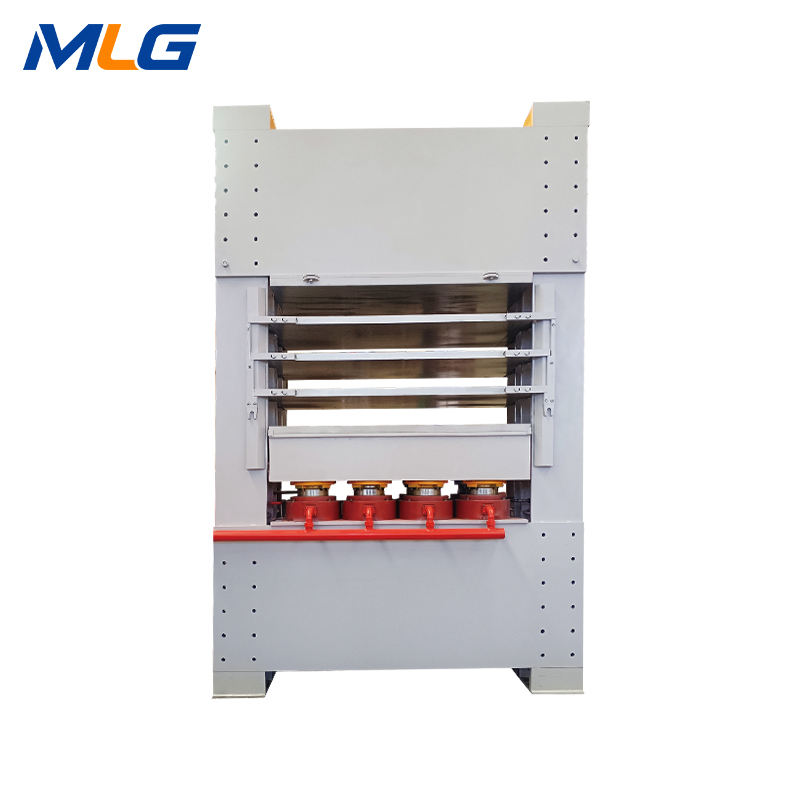
Cold press wood machine

Cold press wood machines are essential equipment in the manufacturing of wood-based panels, such as plywood, particleboard, and MDF. These machines utilize high pressure to bond layers of wood fibers or veneers, creating strong, durable products that meet various industry standards. For B2B buyers, understanding the specifications, sourcing options, installation guidance, and cost factors is crucial to making informed purchasing decisions. This article will delve into these aspects, providing practical insights for purchasing managers, engineers, and product managers looking to invest in hydraulic plywood press.

Where to Source Reliable Cold Press Wood Machines for Bulk Orders

Sourcing reliable MLG cold press wood machines involves identifying reputable manufacturers and suppliers. Given the global manufacturing landscape, buyers should focus on companies with a proven track record in producing wood machinery. 

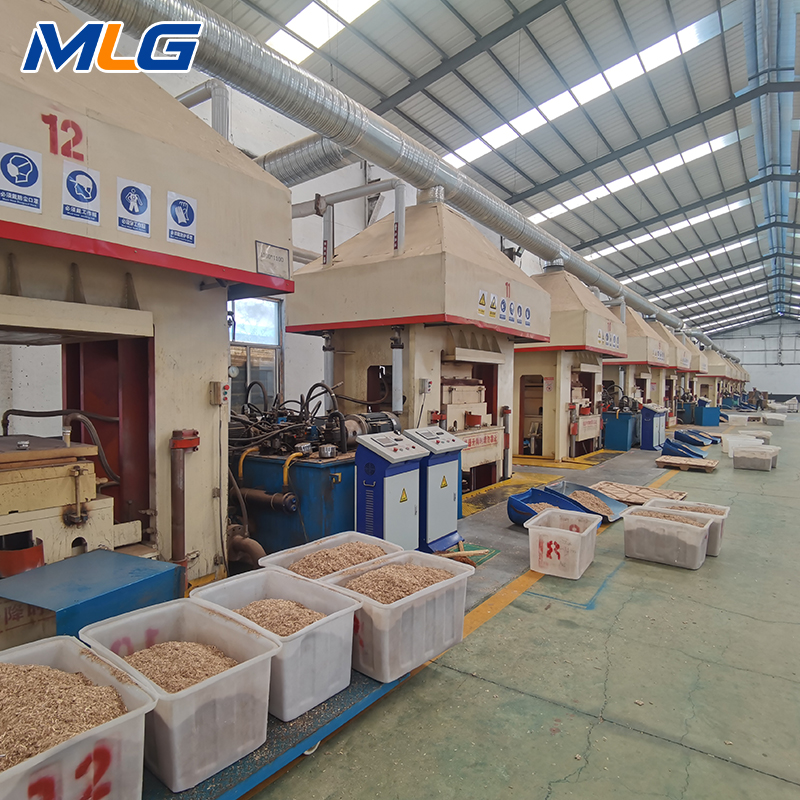
Shandong Menglianggu Machinery, for example, has extensive experience in manufacturing complete wood-based panel production lines and has served various international markets, including Asia, Europe, Africa, and Oceania. This international presence often indicates a solid quality assurance process and the ability to meet diverse regulatory standards. 

Buyers should also consider attending industry trade shows or exhibitions where manufacturers showcase their latest technologies. This offers the opportunity to see machines in action and ask questions directly from the engineers or sales representatives. Moreover, online platforms can provide access to customer reviews and ratings, which can further guide your decision-making process.

Installation Guidance for Cold Press Wood Machines in Industrial Settings

Proper installation of cold press wood machines is crucial for optimal performance and longevity. Buyers should ensure that the installation site meets specific requirements, including adequate space, power supply, and ventilation systems. 

Before installation, it is advisable to conduct a thorough site assessment. This includes checking the floor strength to support the weight of the machinery and ensuring that the area is clear of any obstructions that could impede operations. 

During installation, it’s important to follow the manufacturer’s guidelines closely. This typically involves leveling the machine, connecting it to the power supply, and calibrating the control systems. Training sessions for operators should also be arranged to ensure they fully understand the machine's operation and maintenance needs. 

Finally, after installation, a comprehensive testing phase should be conducted. This should include running the machine with sample materials to identify any adjustments needed to optimize performance.

Key Features and Performance Metrics

The effectiveness of MLG cold press wood machines can be assessed through several key features and performance metrics. One significant feature is the energy efficiency of the machine. As energy costs can greatly impact operational expenses, machines designed to minimize energy consumption while maintaining performance are highly desirable. 

Another crucial performance metric is the machine's maintenance requirements. Machines that require minimal downtime for maintenance can significantly enhance productivity. Look for features such as automatic lubrication systems or easily accessible components for routine checks. 

Output quality is another vital consideration. Machines should consistently produce panels that meet specified thickness, density, and surface smoothness. This can often be gauged through samples from existing installations or customer testimonials. 

Finally, consider the machine's adaptability to various materials. The ability to work with different wood types or composites can provide flexibility in production and potentially open new market opportunities.

Cost Factors to Consider for Purchasing Cold Press Wood Machines

When budgeting for MLG cold press wood machines, various cost factors must be taken into account. The initial purchase price is just one aspect; buyers should also consider installation costs, which may vary based on site preparation and any additional infrastructure needed. 

Operational costs, including energy consumption, maintenance, and staffing, can significantly influence the total cost of ownership. Machines that are energy-efficient and require less frequent maintenance may offer better long-term value. 

Another factor is the machine's expected lifespan and warranty coverage. A longer warranty period can indicate manufacturer confidence in their product and reduce future repair costs. 

Finally, buyers should evaluate financing options and any available government incentives for machinery purchases that enhance energy efficiency or promote sustainable practices in manufacturing. Conducting a total cost analysis can help buyers make a more informed decision that aligns with their budget and operational goals. 

By understanding these key aspects, B2B buyers can navigate the complexities of purchasing plywood press machines more effectively, ensuring that they make choices that enhance their production capabilities and lead to long-term success.

Specifications to Evaluate in Cold Press Wood Machines for Wholesale Buyers

When evaluating cold press wood machines, buyers should focus on several critical specifications. Firstly, pressing capacity is paramount; it determines how much wood can be processed in a single cycle. This is typically measured in tons and should align with your production needs. 

Secondly, the maximum pressure rating of the machine is essential. Higher pressure can lead to stronger bonds, but it must be compatible with the materials used. For instance, if working with softwood, a lower pressure may suffice, while hardwoods may require more robust pressures. 

Additionally, the size and dimensions of the hot press for plywood bed should be considered to ensure compatibility with your production layout. The machine's cycle time impacts overall productivity; shorter cycle times can enhance output but may require more energy and maintenance. 

Lastly, examine the control systems. Advanced control features that allow for precise pressure adjustments and temperature control can significantly enhance product quality and reduce waste.

Get a Free Quote

Our representative will contact you soon.
0/1000