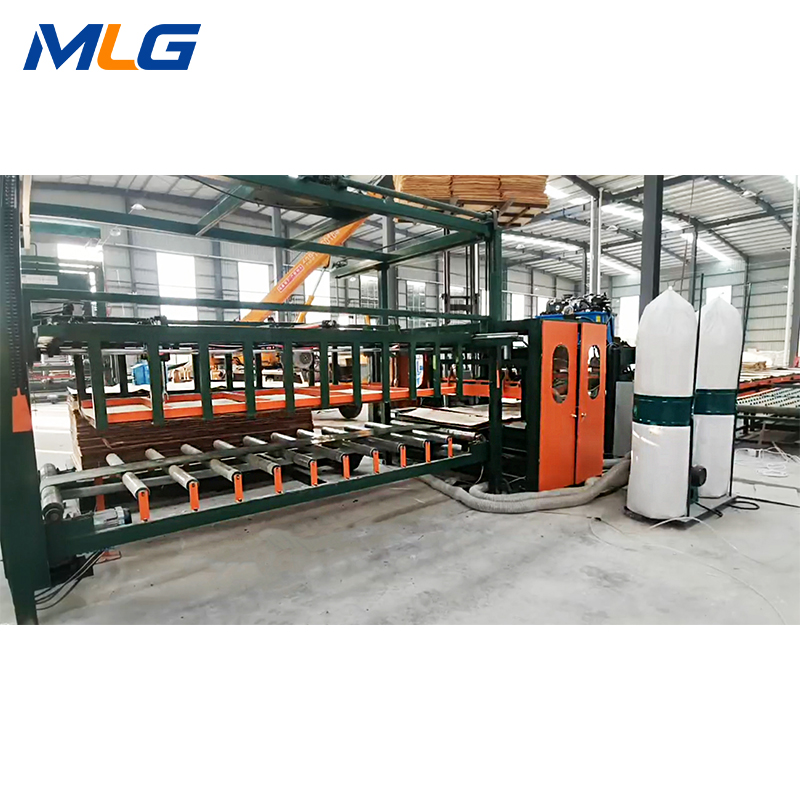
Veneer Peeling Machine Factory Insights

application/veneer-peeling-machine-factory, application/veneer-peeling-machine-factory, 
Inquiry
Inquiry

Veneer peeling machine factory

Veneer peeling machines are essential equipment in the wood processing industry, designed to produce high-quality veneers from logs. These machines are crucial for manufacturers looking to create plywood, particleboard, and other wood products. Understanding the specifications, installation, common issues, applications, and supplier options for veneer peeling machines is vital for purchasing managers and engineers seeking to optimize production efficiency and product quality. This article will provide comprehensive insights into MLG veneer peeling machine, helping you make informed decisions.

Installation Guidance for Your Veneer Peeling Machine

Proper installation of your MLG veneer peeling machine is crucial for optimal performance. Here are key steps to follow: 

Site Preparation: Ensure the installation site meets the machine's spatial and operational requirements, including adequate space for maintenance, operator access, and safety protocols. 

Foundation Requirements: The machine should be installed on a stable, level foundation to prevent vibrations and operational issues. Consult the manufacturer for specific foundation guidelines. 

Electrical and Water Supply: Verify that electrical connections meet the machine's specifications. Adequate water supply may be necessary for cooling systems, so confirm the availability of necessary utilities prior to installation. 

Calibration and Testing: After installation, calibrate the machine according to the manufacturer's instructions. Conduct test runs to ensure all systems are functioning correctly and make adjustments as required. 

Training for Operators: Provide thorough training for all operators to ensure they understand the machine's features, safety protocols, and maintenance requirements. Properly trained personnel can significantly reduce operational errors.

Common Problems with Veneer Peeling Machines and Solutions

Understanding common issues that can arise with veneer peeling machines helps in proactive maintenance and troubleshooting: 

Blade Dulling: Dull blades can result in poor veneer quality and increased waste. Regular inspection and timely replacement of blades can mitigate this issue. Setting up a maintenance schedule based on production volume can help manage blade performance. 

Log Feeding Issues: If logs are not fed correctly, it can lead to uneven veneer cuts. Ensure that the log feed system is calibrated and functioning properly. Adjustments may be necessary based on the diameter and quality of the logs. 

Vibration Problems: Excessive vibrations can affect veneer quality and machine longevity. Regularly check the machine's alignment, foundation stability, and fastening of components to minimize vibrations. 

Control System Failures: Malfunctions in the control system can disrupt production. Implement routine software updates and system checks to ensure the control interfaces are functioning correctly. 

Overheating: Continuous operation without adequate cooling can lead to overheating. Ensure that the cooling systems are properly maintained and that airflow is not obstructed.

Applications of Veneer Peeling Machines in the Wood Industry

Veneer peeling machines are integral to various applications within the wood industry, including: 

Plywood Production: Veneers produced by these machines are used in plywood manufacturing, where multiple layers of veneer are glued together to create strong, durable panels. 

Furniture Manufacturing: High-quality MLG veneers are essential in furniture production, where aesthetics and finish quality are paramount. Veneer peeling machines can produce decorative veneers that enhance the appearance of furniture. 

Cabinetry: Veneers are commonly used in cabinetry to provide a visually appealing finish at a lower cost than solid wood. Veneer peeling machines enable manufacturers to create consistent and high-quality veneer sheets. 

Flooring: Engineered wood flooring often utilizes veneers for surface layers, providing the look of solid wood while maintaining cost efficiency. The precision of veneer peeling machines ensures uniform thickness and quality. 

Decorative Panels: Various industries utilize veneer sheets for decorative wall panels and architectural applications. The versatility of spindleless veneer peeling machine allows for customization in thickness and finish.

Where to Find Reliable Suppliers of Veneer Peeling Machines

Finding a trustworthy supplier for veneer peeling machines is critical for ensuring quality and support. Here are some strategies to identify suitable suppliers: 

Industry Certifications: Look for manufacturers with industry certifications that demonstrate compliance with international quality standards. This can be an indicator of a supplier's commitment to quality and reliability. 

Customer Reviews and Testimonials: Research customer experiences and feedback on supplier performance. Reliable suppliers often have positive testimonials that reflect their service quality and machine performance. 

Trade Shows and Expos: Attending industry trade shows can provide firsthand experience with machinery and direct interaction with manufacturers. This is an excellent opportunity to compare different suppliers and their offerings. 

Network with Industry Peers: Engage with other professionals in the wood processing industry to gather recommendations and insights on reputable suppliers. Personal referrals can often lead to discovering reliable partners.

Technical Support and Warranty: Assess the level of technical support and warranty offered by the supplier. A good warranty and responsive support can significantly enhance the value of your purchase. 

By understanding the specifications, installation requirements, common problems, applications, and supplier options for veneer peeling machines, purchasing managers and engineers can make informed decisions that enhance production efficiency and product quality.

Key Specifications to Consider for Veneer Peeling Machines

When selecting a veneer peeling machine, several key specifications should be evaluated to ensure the equipment meets production needs: 

Peeling Capacity: The production capacity, typically measured in square meters of veneer per hour, directly affects throughput. Understanding your operational demands will help in selecting a machine with adequate peeling capacity. 

Log Diameter Compatibility: Veneer peeling machines are designed for specific log diameters. Ensure the selected machine can accommodate the size of logs you plan to process, as this affects yield and efficiency. 

Blade Type and Size: The blade's design and dimensions influence the quality and thickness of the veneer produced.  Higher-quality blades may result in cleaner cuts and reduced waste, which is critical for maximizing material usage. 

Control Systems: Advanced control systems allow for precise adjustments during the peeling process, improving consistency and reducing errors. Look for machines with user-friendly interfaces that facilitate easy operation. 

Durability and Build Quality: The machine's construction material and design should withstand the rigors of continuous operation. A robust build minimizes maintenance needs and extends the spindle veneer peeling machine lifespan. 

Energy Efficiency: Energy consumption is a significant cost factor. Machines designed for lower energy usage can lead to substantial savings over time, making energy efficiency an important consideration. 

Get a Free Quote

Our representative will contact you soon.
0/1000