Key Considerations for Plywood Sander Machines

application/plywood-sander-machine, application/plywood-sander-machine, 
Inquiry
Inquiry

Plywood sander machine

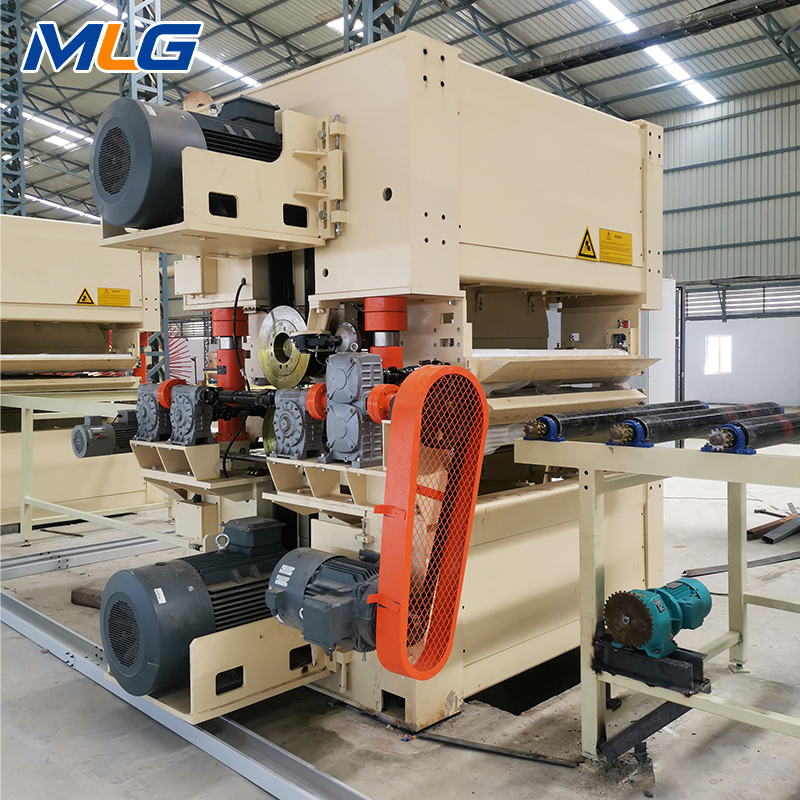
Plywood sander machines are essential equipment in the wood processing industry, designed to smooth and finish plywood surfaces to meet specific quality standards. For B2B buyers, including purchasing managers and manufacturers, understanding the features and specifications of these machines is crucial for making informed purchasing decisions. This article will cover key specifications, comparison factors, cost considerations, applications across industries, and tips for efficient bulk ordering of MLG large belt sander machine.

How to Compare Plywood Sander Machines for Wholesale Purchasing

When comparing MLG plywood sander machines for wholesale purchasing, it’s important to consider various factors that can influence your decision: 

Manufacturer Reputation: Research the manufacturers of the machines you are considering. Established companies, like Shandong Menglianggu Machinery, with a track record in producing complete wood-based panel production lines, often offer reliable products backed by customer support. 

Technical Support and Service: Evaluate the level of technical support provided by the manufacturer. Good after-sales service can save time and money if issues arise during installation or operation. 

Customization Options: Depending on specific production needs, buyers may require customization in terms of size, features, or additional equipment. Inquire with manufacturers about their customization capabilities to ensure the big belt sander machine fits your operational requirements. 

Warranty and Maintenance Plans: Assess the warranty terms offered with the machines and any available maintenance plans. A solid warranty indicates the manufacturer's confidence in their product and provides peace of mind for buyers. 

Cost and Payment Terms: Compare pricing structures across different suppliers while considering any additional costs, such as shipping and installation. Understanding payment terms can also help in budgeting for the purchase.

Understanding the Cost Factors of Plywood Sander Machines

The cost of plywood sander machines can vary significantly based on several factors: 

Machine Specifications: Higher-end machines with advanced features, such as multi-stage sanding processes or automated controls, generally come at a premium. Buyers should weigh the cost against the expected benefits in terms of productivity and quality. 

Volume and Order Size: Bulk purchasing often leads to discounts. Manufacturers may offer better pricing for larger orders, so it’s beneficial to determine your needs in advance and negotiate accordingly. 

Customization Needs: Custom features can increase the initial cost. Buyers should identify essential customizations versus optional features to manage their budgets effectively. 

Shipping and Import Costs: For international buyers, shipping costs can add significantly to the total price. It’s important to factor in these costs along with any tariffs or import duties applicable in your region. 

Maintenance and Operating Costs: Consider the long-term operational costs, including maintenance, parts replacement, and energy consumption. A lower initial price might lead to higher ongoing costs if the machine is less efficient or requires more frequent servicing.

Exploring Applications of Plywood Sanders in Various Industries

Plywood sanders play a critical role in several industries beyond just MLG woodworking. Key applications include: 

Furniture Manufacturing: In furniture production, plywood is often used for its strength and aesthetic appeal. Sanding machines ensure a smooth finish, allowing for better adhesion of paints and varnishes. 

Construction: Plywood is widely used in construction for structural applications. Properly sanded plywood enhances the overall quality of buildings and structures, contributing to durability and appearance. 

Decorative Panel Production: In industries focused on interior design, high-quality plywood with a fine finish is essential. Sanders help achieve the polished look required for decorative panels. 

Cabinetry: Cabinets require smooth surfaces for both aesthetic and functional reasons. Plywood sanders are crucial in preparing the material for high-end cabinetry, where appearance and finish are paramount. 

Packaging: Plywood is also used in creating packaging solutions that require strength and reliability. Sanding ensures that packaging materials are free from splinters and defects, improving the product's overall presentation.

Expert Tips for Bulk Ordering Plywood Sander Machines Efficiently

When preparing for bulk ordering of plywood sander machines, consider the following tips to streamline the process: 

Prepare Detailed Specifications: Before reaching out to suppliers, compile a list of your exact requirements, including machine dimensions, desired features, and production capacity. This information will facilitate more accurate quotations from manufacturers. 

Request Samples: If possible, obtain samples of the machine’s output to evaluate the finish quality. This step is crucial in assessing whether the machine meets your quality standards before making a bulk purchase. 

Establish Clear Communication: Maintain open lines of communication with potential suppliers. Clarifying expectations regarding delivery timelines, installation, and training can prevent misunderstandings later in the process. 

Negotiate Terms: Don’t hesitate to negotiate payment terms and pricing, especially for larger orders. Suppliers may offer better rates for bulk purchases or extended payment plans. 

Plan for Logistics: Ensure that you have a logistics plan in place for receiving and installing the machines. Coordinate with your supplier regarding shipping options and any special handling requirements. 

By understanding these factors, B2B buyers can make informed decisions about best wide belt sander machines, ensuring they select the right equipment for their specific needs while optimizing their purchasing process.

Key Specifications to Evaluate in Plywood Sander Machines

When evaluating plywood sander machines, several key specifications should be considered to ensure optimal performance and suitability for your production needs: 

Sanding Width and Thickness: The sanding width determines the maximum size of plywood that can be processed, while the thickness range indicates the versatility of the machine in handling different plywood types. Buyers should assess their typical plywood dimensions to select a machine that accommodates their largest products without requiring additional setups. 

Sanding Speed and Feed Rate: These metrics affect productivity. Higher sanding speeds can enhance efficiency but may compromise finish quality if not matched with appropriate feed rates. Buyers need to find a balance that meets their production capacity while ensuring quality. 

Motor Power and Type: The power of the motor influences the machine's ability to handle tough materials and maintain consistent performance during operation. A more powerful motor can manage higher workloads and thicker plywood sheets, making it a significant factor for buyers with demanding production requirements. 

Dust Collection System: Effective dust collection is vital for maintaining a clean workspace and ensuring the longevity of the machine. A good system minimizes dust emissions and keeps the working environment safe for operators. 

Control Systems: Modern plywood sanders often feature user-friendly interfaces and programmable settings for different sanding tasks. Evaluating the control systems can help buyers choose a machine that simplifies operation and enhances precision.

Get a Free Quote

Our representative will contact you soon.
0/1000