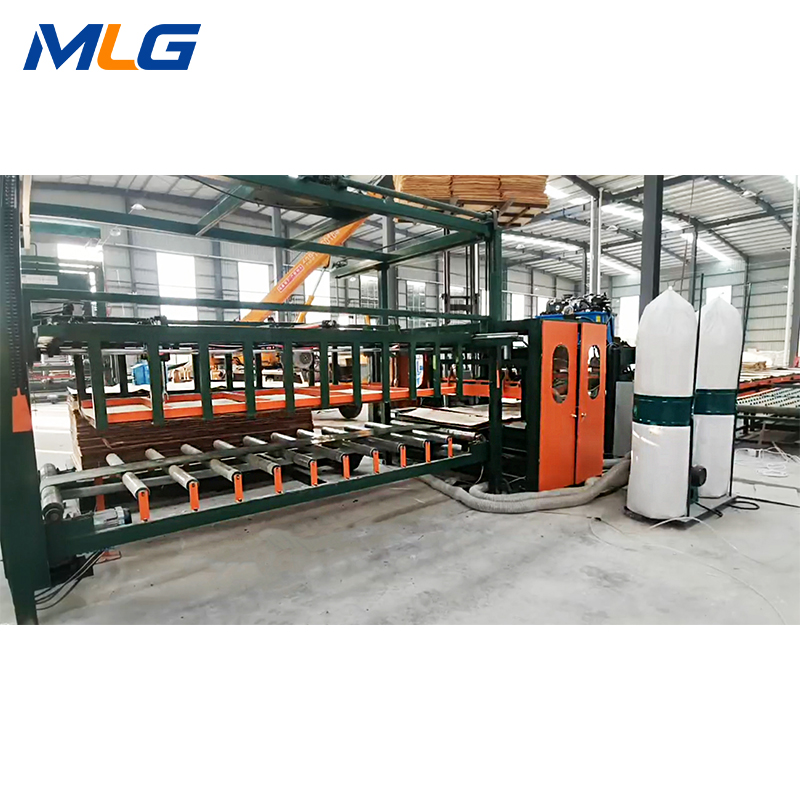
Veneer Peeling Machine Specifications for Buyers

application/veneer-peeling-machine, application/veneer-peeling-machine, 
Inquiry
Inquiry

Veneer peeling machine

A veneer peeling machine is an essential piece of equipment used in the production of wood-based products, particularly in the creation of plywood and other composite wood panels. As a B2B buyer, understanding the Veneer Paving Machine specifications, sourcing options, installation guidelines, common issues, and features of veneer peeling machines is crucial for making informed purchasing decisions. This article aims to clarify these aspects, helping you navigate the complexities of selecting and utilizing veneer peeling machines effectively.  

Where to Source Reliable Suppliers of Veneer Peeling Machines

Finding reliable suppliers for veneer peeling machines involves a few strategic steps. Start by researching manufacturers with a solid track record in the industry. Companies like Shandong Menglianggu Machinery, known for their complete wood-based panel production lines, have established reputations across various global markets. Attend industry trade shows and exhibitions where machinery manufacturers showcase their latest innovations. This veneer drying machine provides an opportunity to interact directly with suppliers, ask questions, and see the veneer peeling machines in action. Online directories and platforms such as Alibaba or ThomasNet can also be useful for finding suppliers, but ensure to verify their credentials and customer reviews. Networking with industry peers can yield valuable insights into reputable suppliers. Engage in forums or groups focused on wood processing machinery to gather recommendations based on first-hand experiences. 

Installation Guidelines for Efficient Use of Veneer Peeling Machines

Proper installation is crucial for the optimal performance of veneer peeling machines. Begin by ensuring that the installation site meets the space and environmental requirements specified by the manufacturer. This includes sufficient clearance around the machine for maintenance and operation, as well as a stable, level foundation to support the equipment. Before installation, review the electrical and hydraulic requirements. Confirm that your facility is equipped to handle the power needs of the machine, as inadequate supply can lead to operational failures. Ensure that the machine is calibrated correctly to veneer peeling machines prevent issues during the peeling process. Training your operators is another key aspect of installation. Workers should be familiar with the machine's controls and safety features, which can enhance efficiency and reduce the risk of accidents. Provide them with a thorough walkthrough of both the machine operation and maintenance schedules to ensure longevity. 

Common Problems with Veneer Peeling Machines and Their Solutions

Veneer peeling machines can encounter various issues that impact productivity and veneer quality. One common problem is blade wear. Dull blades can lead to inconsistent veneer thickness and surface imperfections. Regular inspection and timely replacement of blades are necessary to maintain quality. Another issue is log slippage during the peeling process. This can result from improper log placement or insufficient clamping pressure. Ensuring that logs are secured correctly and that the machine's settings are optimized can mitigate this problem. Vibration is another veneer peeling machines concern that can affect the machine's performance. Excessive vibration can stem from improper installation or worn-out components. Regular maintenance checks should include inspecting for wear and ensuring that all parts are functioning correctly. Lastly, software glitches in automated machines can cause operational delays. Keeping the machine's software updated and conducting routine diagnostics can help identify and resolve these issues proactively. 

Comparing Features of Veneer Peeling Machines for Bulk Orders

When considering bulk orders of veneer peeling machines, features such as automation, customization options, and after-sales support become significant factors.  Automated machines can significantly reduce labor costs and enhance productivity. Evaluate the level of automation your operation requires and how it integrates with existing processes. Customization capabilities are also essential. Some manufacturers offer machines that can be tailored to specific production needs, such as unique veneer thickness or log sizes. Discuss your requirements with suppliers to find machines that can be adapted accordingly. After-sales support, including training and maintenance services, can greatly influence your purchasing decision. Check if the veneer peeling machines supplier provides comprehensive support packages and warranties. This can help ensure that any potential issues are resolved quickly, minimizing downtime in your production line. Additionally, compare delivery schedules, spare parts availability, and installation requirements to ensure a smooth transition into your existing manufacturing operations. By focusing on these aspects when comparing veneer peeling machines, buyers can make informed decisions that align with their operational needs and budget considerations. 


Understanding Veneer Peeling Machine Specifications for Wholesale Buyers

When evaluating veneer peeling machines, several specifications are critical. First, consider the diameter and length of the logs that the machine can accommodate. This will directly affect the types of wood you can process. For example, machines with larger capacities can handle thicker logs, which may be necessary for specific applications. Another important specification is the peeling speed, typically expressed in meters per minute. A higher peeling speed can lead to increased productivity, but it’s essential to balance this with the quality of the veneer hot press machine produced. Thickness control is also crucial; machines should allow for precise adjustments to ensure the veneer meets the veneer peeling machines required standards for thickness, which can vary based on end-use. Additionally, examine the material of construction machines made from high-quality steel are generally more durable and better suited for high-volume operations.  Power requirements and energy efficiency ratings can influence operational costs, making it vital for buyers to assess these factors before making a purchase. 

Get a Free Quote

Our representative will contact you soon.
0/1000