Choosing the Right Sanding Machine for Your Needs

application/machine-for-sanding, application/machine-for-sanding, 
Inquiry
Inquiry

Machine for sanding

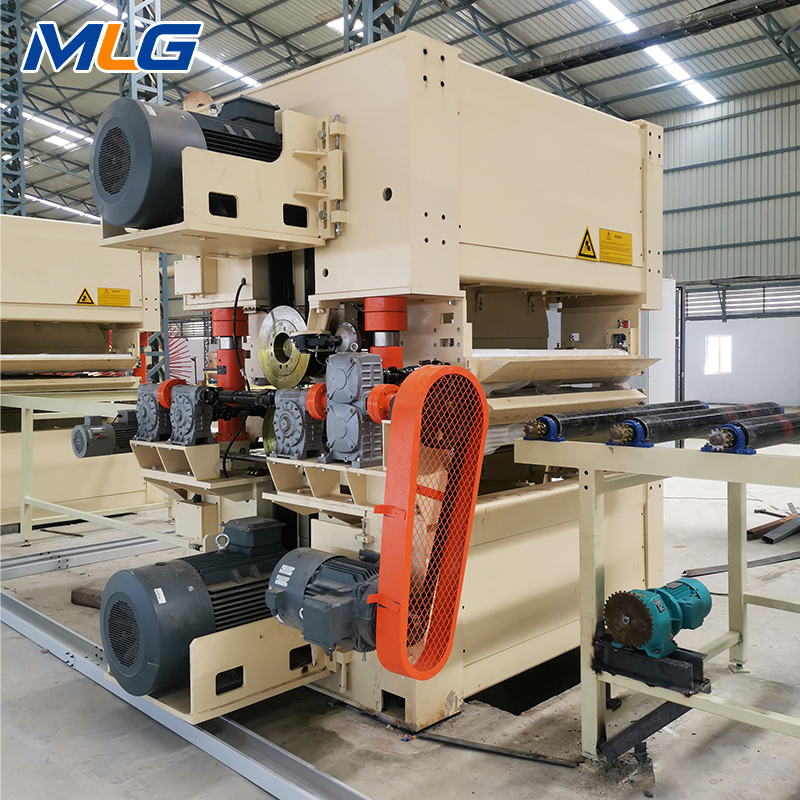
Understanding the variety of machines for sanding is crucial for any manufacturing facility that works with wood-based panels. These machines are essential for achieving smooth finishes on products like plywood, particleboard, OSB, and MDF. As a B2B buyer, your main concerns likely include product quality, sanding machine specifications, cost, and how the machine fits into your existing production line. This article will guide you through the essential considerations for selecting the right MLG mdf sanding machine, ensuring you make an informed purchasing decision.

Key Specifications to Consider in Sanding Machinery

Several key specifications should be evaluated when choosing a sanding machine for your operations: 

Sanding Width and Length: The size of the sanding surface determines the maximum width and length of the panels you can process. Ensure the sanding machine accommodates your largest panel dimensions. 

Sanding Speed: Adjustability in sanding speed allows for better control over the finishing process. Different materials may require different speeds for optimal results. 

Dust Collection System: A robust dust collection system is essential for maintaining a clean work environment and ensuring the longevity of the machine. Check if the sanding machine has built-in dust extraction capabilities. 

Motor Power: The power of the motor affects the machine's efficiency and ability to handle tougher materials. A more powerful motor can sustain higher production rates. 

Control Features: Look for machines with user-friendly controls, which can include digital displays and programmable settings that enhance operational efficiency and consistency. 

By carefully evaluating these specifications, you can select a sanding machine that not only meets your current needs but also adapts to future production demands.

A Buyers Guide

When preparing to purchase a sanding machine, consider the following steps: 

Define Your Requirements: Clearly outline the specifications and features you need. Consider the types of wood panels, the desired finish, and production volume.  

Request Quotations: Reach out to multiple suppliers to compare prices and features. Provide specific details such as required performance, application, and any customization needs. 

Evaluate Suppliers: Research the reputation and reliability of potential suppliers. Look for manufacturers with solid experience in producing sanding machines, like Shandong Menglianggu Machinery, which offers expertise in wood-based panel production lines. 

Inspect Samples: If possible, request samples or demonstrations of the big belt sander machine. This allows you to evaluate their performance in real-world conditions. 

Negotiate Terms: Discuss lead times, minimum order quantities, and warranty options. Ensure that you understand the full scope of after-sales support. 

By following these steps, you can ensure a smooth purchasing process and select the right sanding machine for your manufacturing needs.

Understanding Cost Factors in Sanding Machinery Purchases

The cost of MLG sanding machines can vary widely based on several factors: 

Machine Type: Different types of sanding machines (e. g., wide-belt sanders, edge sanders, or orbital sanders) come with varying price points. High-capacity sanding machine typically demand a higher investment. 

Specifications: As discussed, the specifications such as motor power, sanding width, and additional features (like automation) can influence the overall cost. 

Customization: Custom features tailored to your specific requirements may increase the price. However, they can enhance productivity and efficiency in the long run. 

Supplier Reputation: Well-established manufacturers may charge premiums for their sanding machine due to their proven reliability and quality assurance processes. 

Maintenance and Operating Costs: Consider the long-term costs associated with maintenance and operation. Machines that require less maintenance may offer lower lifetime costs. 

Understanding these factors can help you budget effectively and make informed decisions that align with your financial capabilities.

Material Advantages of Our Sanding Machines for Optimal Performance

MLG sanding machines are designed with advanced materials and engineering techniques that enhance their performance in manufacturing wood-based panels. Here are some material advantages: 

Durability: The sanding machine utilize high-grade materials, ensuring longevity and resistance to wear and tear, which is crucial in high-production environments. 

Precision Engineering: Our sanding machine are built with precision components that minimize vibration and ensure consistent sanding quality. This is especially important for achieving smooth finishes on high-end products. 

Versatility: The sanding machine are engineered to handle various wood types and panel thicknesses, providing flexibility for manufacturers who work with different materials. 

Efficiency: Enhanced dust collection systems and energy-efficient motors contribute to lower operational costs while maintaining high performance. 

By choosing sanding machines that leverage these material advantages, you can enhance your production efficiency and maintain a competitive edge in the market. 

In summary, selecting the right sanding machine for sanding involves careful consideration of your specific manufacturing needs, key specifications, and cost factors. By focusing on these elements and leveraging the expertise of a reliable manufacturer, you can enhance your production capabilities and achieve superior results in your wood-based panel operations.

Choosing the Right Sanding Machine for Your Manufacturing Needs

When selecting a machine for sanding, consider your specific manufacturing requirements. Factors such as the type of wood panel you are working with, the desired finish quality, and your production volume play significant roles in your decision. For instance, a high-capacity production line might benefit from a wide-belt sander, which is efficient for large surfaces, whereas a smaller workshop may find a handheld sander sufficient for occasional projects. 

Moreover, understand the application of the sanding machine within your production process. If your operation involves intricate designs, a sanding machine with advanced features like variable speed control and multiple sanding heads may be necessary to achieve the desired finish without damaging the material. 

Additionally, assess the compatibility of the large belt sander machine with your existing equipment. Ensure that the machine's dimensions and power requirements align with your current workshop setup to avoid costly modifications or disruptions.

Get a Free Quote

Our representative will contact you soon.
0/1000