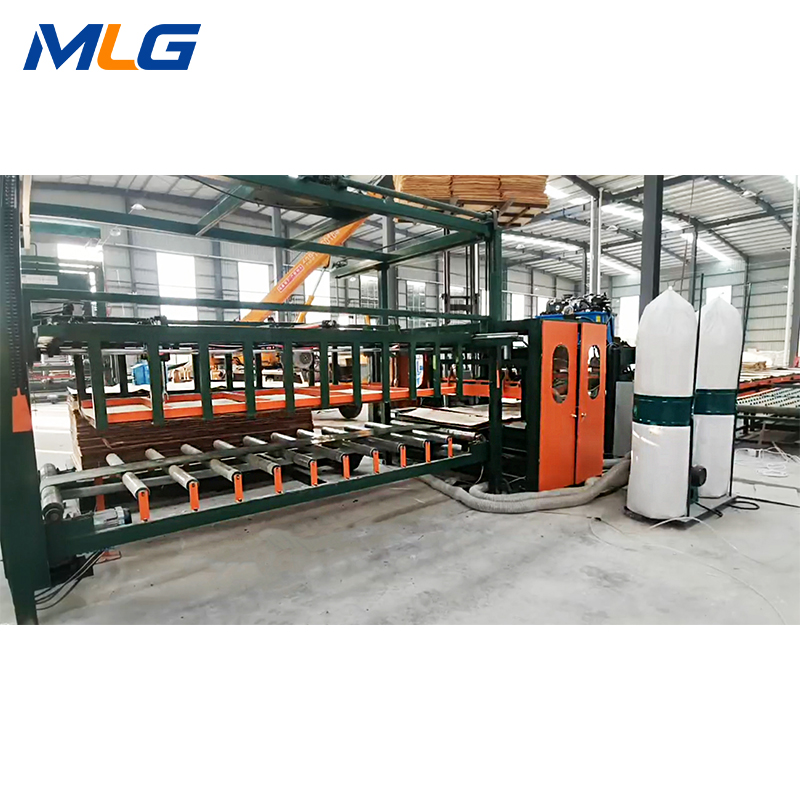
Key Specifications for Plywood Veneer Dryer Machines

application/plywood-veneer-dryer-machine, application/plywood-veneer-dryer-machine, 
Inquiry
Inquiry

Plywood veneer dryer machine

Plywood veneer dryer machines play a crucial role in the production of high-quality plywood by efficiently removing moisture from veneer sheets. For B2B buyers,  understanding the specifications, cost factors, and potential operational challenges associated with these machines is essential for making informed purchasing decisions. This article will help you navigate the complexities of plywood veneer dryers, ensuring you can select the right equipment for your production needs. 

Finding Reliable Suppliers for Veneer Dryers

Identifying trustworthy suppliers for plywood veneer dryer machines is a critical aspect of the purchasing process. Here are practical steps to find reliable manufacturers: 

Research Industry Reputation: Look for suppliers with a solid track record in the wood processing machinery industry. Online reviews, industry publications, and trade shows can provide insights into a supplier's reputation. 

Assess Manufacturing Capabilities: Verify that suppliers have the necessary manufacturing capabilities to Veneer Paving Machine meet your specific requirements. This includes checking their production capacity, quality control processes, and technology used. 

Evaluate Customer Support: A supplier's commitment to customer service can significantly impact your experience. Ensure they offer comprehensive support, including installation, maintenance, and troubleshooting assistance. 

Check Certifications and Compliance: Reliable suppliers should comply with industry standards and regulations. Certifications can indicate adherence to quality and safety standards which is vital for operational reliability. 

Request References: Don’t hesitate to ask for references or case studies from other clients. This information can provide insight into the supplier’s performance and reliability. 

Engaging with suppliers who meet these criteria will help ensure that you receive a high-quality plywood veneer dryer machine and ongoing support. 

Understanding the Cost Factors of Plywood Veneer Dryer Machines

Understanding the cost factors associated with plywood veneer dryer machines is essential for budgeting and ensuring a good return on investment. Here are the key elements that influence pricing: 

Initial Purchase Price: The upfront cost of the machine can vary based on specifications, brand reputation, and technology. It’s essential to balance cost with the features that will enhance productivity and quality. 

Operational Costs: Consider ongoing expenses such as energy consumption, maintenance, and potential repair costs. Machines with better energy efficiency may have a higher initial cost but can lead to lower operational costs over time. 

Customization Requirements: If your production process requires specific adaptations, customization can increase the purchase price. Discuss these needs with suppliers to understand how they affect overall costs. 

Lead Time: Longer lead times may not only affect your production schedule but can also impact pricing. Some suppliers may charge more for expedited shipping or production. 

Warranty and Support: Machines that come with comprehensive warranties and strong after-sales support may carry higher costs initially but can provide peace of mind and reduce long-term expenses. 

By considering these factors, buyers can better understand the total cost of ownership for plywood veneer dryer machines and make more informed purchasing decisions. 

Common Problems and Solutions for Plywood Veneer Drying Processes

Even with reliable plywood veneer dryer machines, several common problems can arise during the drying process. Here’s a look at some of these issues and their potential solutions: 

Uneven Drying: This can lead to warping or cracks in the veneer. Solutions include ensuring the temperature is consistently monitored and adjusted, and utilizing machines with advanced moisture control technology. 

High Energy Consumption: Excessive energy use can inflate operational costs. To mitigate this, consider investing in energy-efficient models and conducting regular maintenance to ensure optimal performance. 

Mechanical Failures: Breakdowns can disrupt production. Regular maintenance checks and investing in machines with robust construction can help prevent such failures. 

Quality Issues: If the veneer does not meet quality standards post-drying, it may be necessary to calibrate the drying parameters or inspect the pre-drying treatment processes. 

Moisture Content Variability: Variations in raw material moisture content can affect the drying process. Implementing a moisture measurement system can help in adjusting drying parameters in real-time. 

Understanding these common challenges allows buyers to proactively address potential issues, ensuring a smoother drying process and better product quality. 

Installation Guidance for Your Plywood Veneer Dryer Equipment

Proper installation of plywood veneer dryer machines is critical for their successful operation. Here are some essential guidelines to consider: 

Site Preparation: Before installation, ensure the site is adequately prepared. This includes sufficient space for the machine, appropriate power supply, and ventilation requirements. 

Professional Installation: Engage professionals with experience in installing industrial machinery. They can ensure that all components are correctly set up and calibrated for optimal performance. 

Follow Manufacturer Guidelines: Each machine will have specific installation instructions provided by the manufacturer. Adhering to these guidelines is crucial for compliance and operational efficiency. 

Testing After Installation: Once installed, conduct thorough testing to ensure the veneer hot press machine operates correctly. Check for any leaks, unusual noises, or operational inconsistencies. 

Training for Operators: Provide training for operators to ensure they understand the machine's features and can identify potential issues early in the operation. 

By following these installation guidelines, buyers can maximize the performance and longevity of their plywood veneer dryer machines, ultimately enhancing their production efficiency. 

Key Specifications to Evaluate in Plywood Veneer Dryer Machines

When selecting a plywood veneer dryer machine, several key specifications should be considered to ensure optimal performance and efficiency. 

Drying Capacity: This specification indicates the volume of veneer that can be processed in a given timeframe. For example, a dryer with a higher capacity will suit larger production facilities needing to meet high demand. 

Temperature Control: Effective temperature regulation is vital for uniform drying. Machines with advanced temperature control features minimize the risk of veneer warping or cracking, which can occur if the drying process is uneven. 

Moisture Removal Rate: The efficiency of moisture removal is critical. A machine with a high moisture removal rate will shorten the drying cycle, leading to increased production rates and reduced energy costs. 

Energy Efficiency: Look for machines designed to plywood veneer dryer consume less energy while maintaining performance. This is particularly important for long-term operational savings. 

Material of Construction: The durability of the machine often depends on the materials used in its construction. Stainless steel components, for example, can offer better resistance to wear and corrosion, enhancing the lifespan of the dryer. 

Automation Features: Automated systems can improve operational efficiency by reducing the need for manual monitoring and adjustments. Features like automatic moisture sensing can help in maintaining optimal drying conditions. 

By carefully evaluating these specifications, buyers can ensure they select a plywood veneer dryer machine that meets their production requirements and quality standards. 

Get a Free Quote

Our representative will contact you soon.
0/1000