Understanding Particle Board Machine Price and Factors

application/particle-board-machine-price, application/particle-board-machine-price, 
Inquiry
Inquiry

Particle board machine price

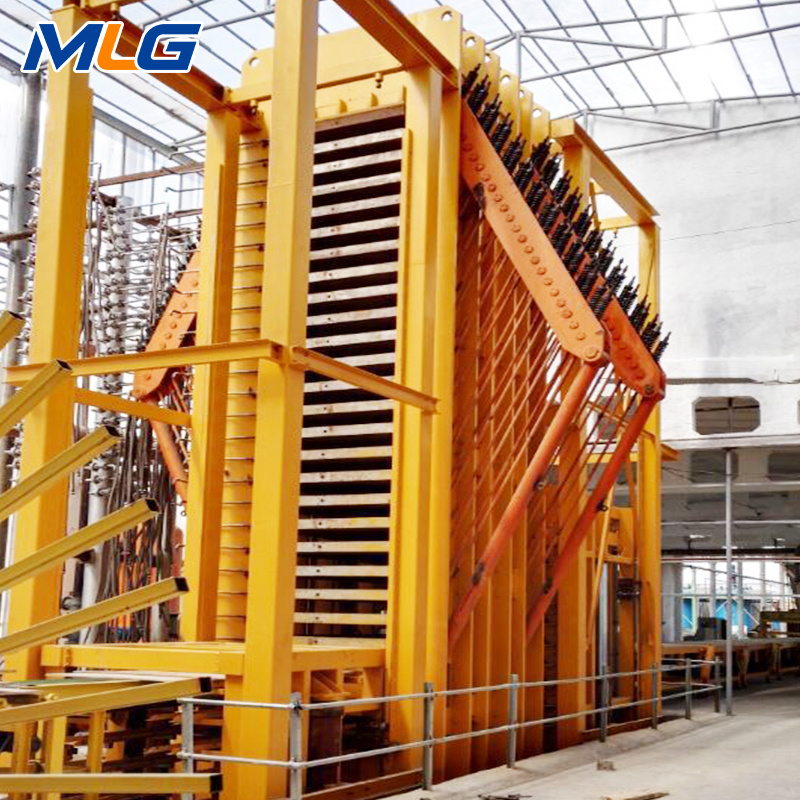
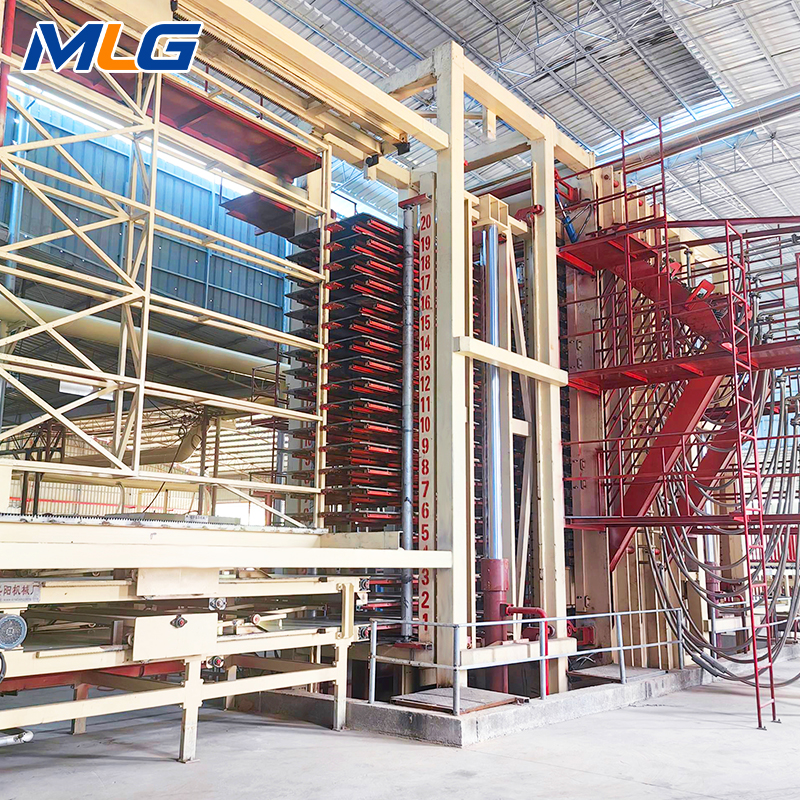
When considering investments in manufacturing equipment, understanding the particle board machine price is essential for B2B buyers in the industry. This equipment plays a vital role in producing particle boards, which are widely used in furniture, flooring, and construction. Buyers typically seek machines that offer reliability, efficiency, and quality, while also keeping an eye on total cost of ownership. This article will provide insights into key specifications, pricing factors, installation challenges, applications, and material advantages related to particle board machines to help facilitate informed purchasing decisions.

Wholesale Pricing Insights for Particle Board Machine Purchases

Understanding the particle board machine price can be complex due to various influencing factors. Wholesale pricing often varies based on specifications, production capacity, and the manufacturer’s reputation. 

Machine Specifications: Higher-capacity particle board machines or those with advanced automation features usually come at a premium. It's critical to balance your budget with the capabilities needed for your specific applications. 

Customization: If you require customized features or configurations, these can significantly affect the overall price. Customization may include modifications for specific production processes or integration with existing systems. 

Market Conditions: Prices can fluctuate based on global wood supply and demand, technology advancements, and economic conditions. Staying updated on market trends can help predict pricing changes. 

Bulk Purchases: If acquiring multiple machines, inquire about bulk pricing or discounts, which may provide savings compared to purchasing individually. 

Total Cost of Ownership: Consider not just the purchase price but also installation, maintenance, and operational costs when evaluating the overall investment. 

By thoroughly understanding these pricing factors, you can negotiate effectively and make informed purchasing decisions. 

Common Installation Challenges for Particle Board Machines and Solutions

Installing a particle board machine can present various challenges that, if unaddressed, may hinder production efficiency. 

Site Preparation: Ensuring your facility can accommodate the machine is crucial. This includes adequate space, structural support, and appropriate utilities (such as power and water supply). Conduct a thorough site assessment before installation. 

Alignment and Calibration: Proper alignment of machine components is essential for optimal performance. Misalignment can lead to production issues, such as uneven boards or increased wear on parts. Work with experienced technicians who can ensure accurate calibration during installation. 

Integration with Existing Systems: If your new machine needs to work alongside existing equipment, compatibility can be a challenge. Ensure that the new MDF board making machine can integrate seamlessly with your current production line to avoid operational delays. 

Training Staff: Operating a new  particle board machines often requires training for your staff. Develop a training plan that includes both machine operation and safety protocols to minimize errors and downtime. 

By anticipating these challenges and preparing solutions, you can facilitate a smoother installation process and enhance your production capabilities. 

Top Applications for Particle Board Machines in Modern Manufacturing

Particle boards produced by these machines serve diverse applications across various industries: 

Furniture Production: Particle boards are commonly used in the manufacturing of furniture, such as cabinets, tables, and chairs. Their cost-effectiveness and versatility make them a popular choice among furniture manufacturers. 

Flooring: With advancements in technology, particle boards are increasingly being used as an underlayment for flooring systems, providing stability and insulation. 

Construction: In the construction sector, particle boards are utilized for wall panels, roofing, and flooring systems due to their lightweight and strong properties. 

Packaging: Particle boards are also applied in packaging solutions, providing sturdy and lightweight alternatives for product protection during transportation. 

Interior Design: The aesthetic versatility of particle boards makes them suitable for interior design applications, including wall paneling and decorative elements. 

Understanding these applications can help in assessing the demand for particle board machines based on industry trends and customer needs. 

Understanding Material Advantages in Particle Board Production Equipment

The materials used in particle board production equipment can significantly impact the quality and efficiency of the manufacturing process. 

Wood Types: The choice of wood, such as softwood or hardwood, affects the density and durability of the final product. Ensure that the machine can handle the specific types of wood required for your production. 

Adhesives: The type of adhesive used in the particle board manufacturing process is critical. Buyers should consider the environmental impact, bonding strength, and curing time of adhesives used. 

Surface Treatment Options: Automatic particle board/OSB production line capable of applying surface treatments (like laminates or veneers) can enhance the aesthetic appeal and durability of the particle board, making them more attractive for end-use applications. 

Sustainability Considerations: With growing concern for environmental sustainability, equipment that utilizes recycled materials or supports eco-friendly production processes can be advantageous for companies aiming to improve their green credentials. 

Quality Control Materials: Machines that incorporate advanced materials for wear parts and components can enhance longevity and reduce maintenance costs. 

By understanding the advantages of materials used in particle board production equipment, buyers can make informed decisions that align with their quality standards and operational goals. 

Key Specifications to Consider When Sourcing Particle Board Machines

When sourcing a particle board machine, several key specifications should be carefully evaluated to ensure the equipment aligns with your production needs. 

Production Capacity: This refers to the amount of particle board machinery can produce within a specific time frame. It's important to assess your expected demand to choose a machine with sufficient capacity. 

Material Compatibility: Different  particle board machines may accommodate various raw materials, such as wood chips, sawdust, or recycled wood. Ensure the machine can handle the materials you intend to use without compromising quality. 

Dimensions and Weight: The dimensions of the machine must fit within your facility’s layout. Additionally, consider its weight, as this may affect installation and potential relocation. 

Energy Consumption: Machines vary in their energy efficiency. A machine that uses less energy can significantly reduce operating costs over time. 

Automation Level: Consider whether you need manual, semi-automated, or fully automated  particle board machines. Higher automation can enhance efficiency but may also increase initial costs. 

Quality Control Features: Look for particle board machines equipped with sensors and control systems that monitor quality throughout the production process. 

Evaluating these specifications will help you choose a particle board machine that meets your operational requirements while optimizing production efficiency. 

Get a Free Quote

Our representative will contact you soon.
0/1000