Choosing Hot Plates for Press Applications

application/hot-plates-for-press, application/hot-plates-for-press, 
Inquiry
Inquiry

Hot plates for press

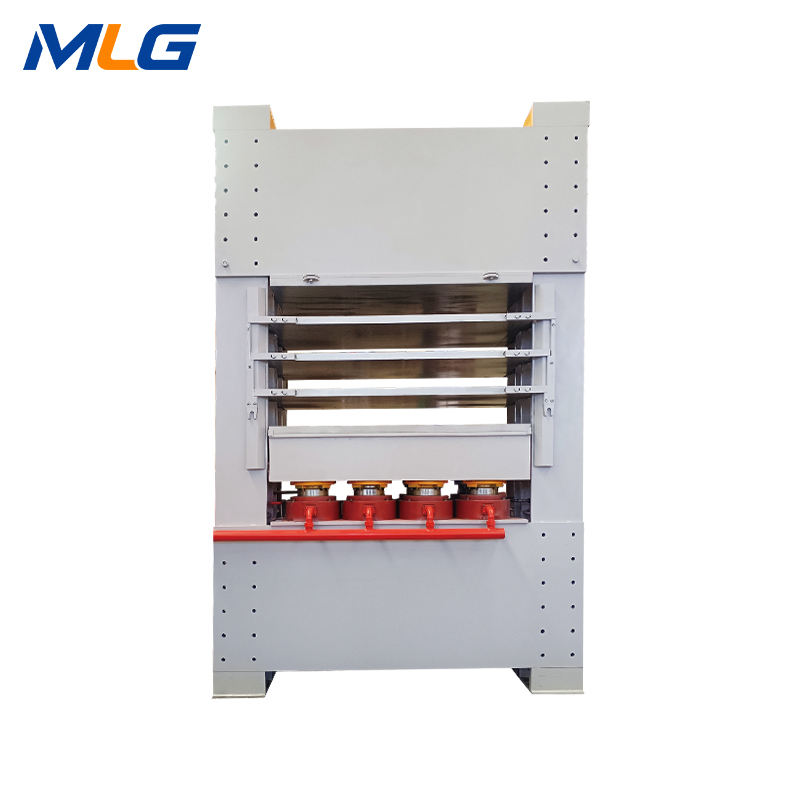
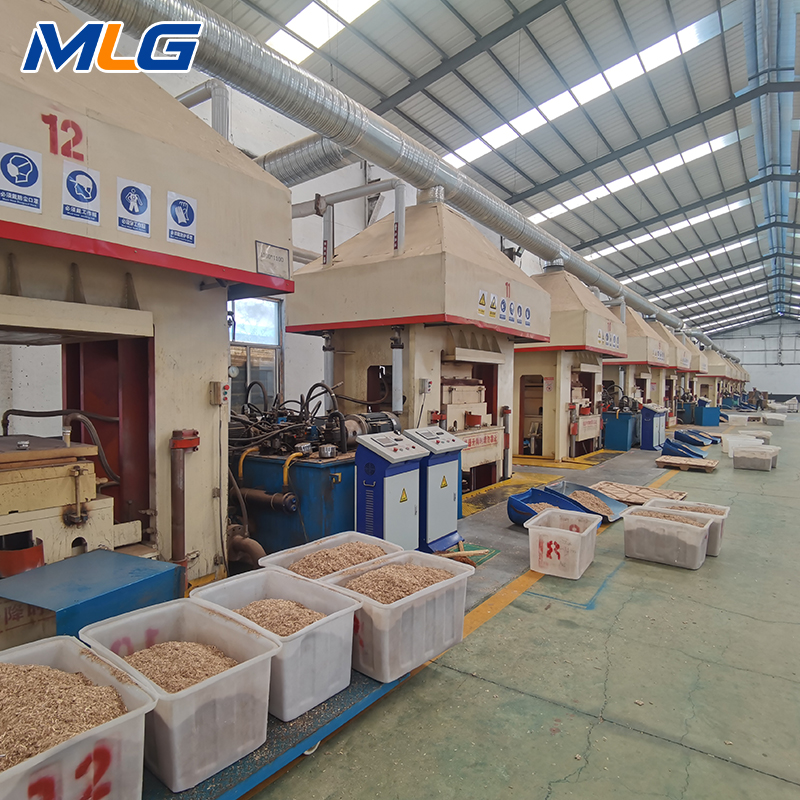
Hot plates for press applications are essential components in various manufacturing processes, particularly in the wood-based panel industry. They apply heat and pressure to materials such as plywood, particleboard, OSB, and MDF, ensuring optimal bonding and performance. As a B2B buyer, your primary concerns may include selecting the right specifications, ensuring compatibility with existing machinery, and understanding the plywood press installation process. This article will guide you through key considerations for choosing hot plates for press applications, equipping you with the knowledge to make informed purchasing decisions. 

Key Specifications for Hot Plates in Industrial Pressing

When evaluating hot plates for press applications, several key specifications should be taken into account: 

Material Composition: Hot plates are typically made from materials such as aluminum or steel, which offer different thermal conductivity properties. Aluminum heats up quickly and distributes heat evenly, while steel may be more durable and resistant to wear. 

Temperature Range: The operating temperature range is crucial, especially for processes involving thermosetting adhesives. Confirm that the hot plates can reach and maintain the necessary temperatures for your specific adhesive and material types. 

Surface Finish: A smooth surface finish on the hydraulic plywood press can reduce friction and improve the quality of the finished product. It is essential to evaluate whether the surface treatment meets your standards for cleanliness and performance. 

Heating Method: Consider whether the hot plates use electrical resistance, thermal oil, or other heating methods. Each heating method has its advantages and disadvantages, impacting efficiency, maintenance, and overall performance. 

Pressure Capability: The ability to apply adequate pressure is vital for achieving the desired bonding strength. Ensure the hot plates can withstand the pressure requirements of your specific application without compromising performance. 

Reliable Suppliers of Hot Plates for Press

Finding a reliable supplier for hot plates for press applications is crucial for ensuring consistent quality and performance in your production line. Look for manufacturers with a proven track record in the industry, such as Shandong Menglianggu Machinery, which specializes in complete wood-based panel production lines. Evaluate suppliers based on their experience, technical capabilities, and customer support services. 

Ask potential suppliers about their quality control processes, certifications, and the range of products they offer. A reputable supplier should be able to provide detailed specifications and assist in customizing products to meet your specific needs. Additionally, consider suppliers that offer technical support and after-sales services, as this can significantly impact your production efficiency. 

What to Look for in Hot Plates

When assessing hot plates for your manufacturing processes, consider the following aspects: 

Customization Options: Depending on your production requirements, you may need hot plates customized in terms of size, shape, or heating capabilities. Discuss your needs with suppliers to explore potential custom solutions. 

Lead Time and Availability: Understand the lead times for production and delivery. Ensure that the supplier can meet your schedule to avoid delays in your manufacturing process. 

Quality Assurance: Inquire about the quality assurance measures in place during the manufacturing of hot plates. Reliable suppliers should perform thorough testing and inspections to ensure that their products meet industry standards. 

Maintenance Requirements: Evaluate the maintenance needs of the hot plates. Some models may require more frequent servicing or special care, which can impact your overall operational efficiency. 

Warranty and Support: A strong warranty and support policy can provide peace of mind. Ensure that the supplier offers adequate support in case of defects or performance issues. 

Installation Guidance for Hot Plates in Manufacturing Processes

Proper installation of hot plates is crucial for optimal performance and longevity. Here are some guidelines to ensure a successful installation: 

Preparation of the Installation Area: Ensure that the installation area is clean, dry, and free from obstructions. This will facilitate easy access to the hot plates and promote safe operation. 

Alignment and Leveling: Hot plates should be aligned and leveled correctly to ensure uniform pressure during operations. Use appropriate measuring tools to confirm alignment before securing the hot plates in place. 

Electrical and Thermal Connections: Follow the manufacturer’s guidelines for electrical connections and ensure that all thermal connections are secure to prevent overheating or electrical failures. 

Testing Before Use: Once installed, conduct a test run to evaluate the performance of the hot plates. Monitor temperature distribution and pressure levels to ensure they meet operational requirements. 

Regular Maintenance Schedule: Establish a regular maintenance schedule to inspect and clean the hot plates. This will help prolong their lifespan and maintain consistent performance. 

By considering these factors when selecting and installing hot plates for press applications, you can enhance your manufacturing efficiency and product quality.  Understanding the specifications, supplier options, and installation processes will empower you to make informed decisions that align with your production goals. 

Choosing the Right Hot Plates for Press Applications

Selecting the right hot plates for press applications involves understanding the specific requirements of your production process. Factors such as material type,  thickness, and desired finish will influence your choice. For example, if you are working with thicker materials, you may require hot plates with higher temperature capabilities and uniform heat distribution to achieve consistent results. Additionally, consider the type of adhesive used in your production; different adhesives may have varying temperature and pressure requirements for optimal bonding. Another critical aspect is the compatibility of hot plates with your existing equipment. Ensure that the dimensions and specifications of the plywood pressing machine price align with your presses to avoid any operational inefficiencies. Consulting with manufacturers who have experience in your specific industry can also provide valuable insights into the most suitable options available. 

Get a Free Quote

Our representative will contact you soon.
0/1000