High-Quality Knife Grinding Machines for B2B Buyers

application/knife-grinding-machine, application/knife-grinding-machine, 
Inquiry
Inquiry

Knife grinding machine

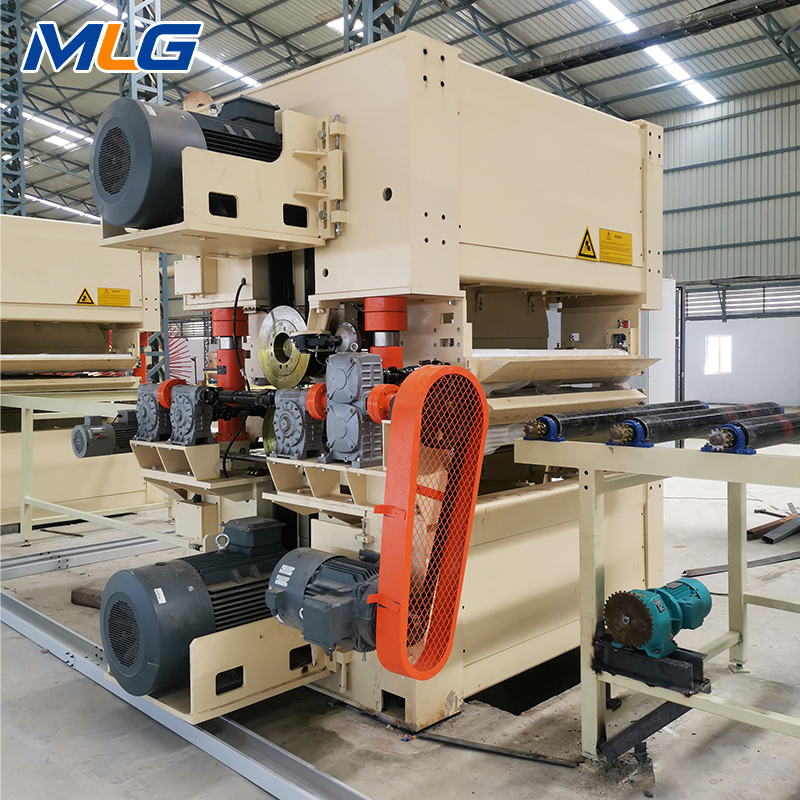
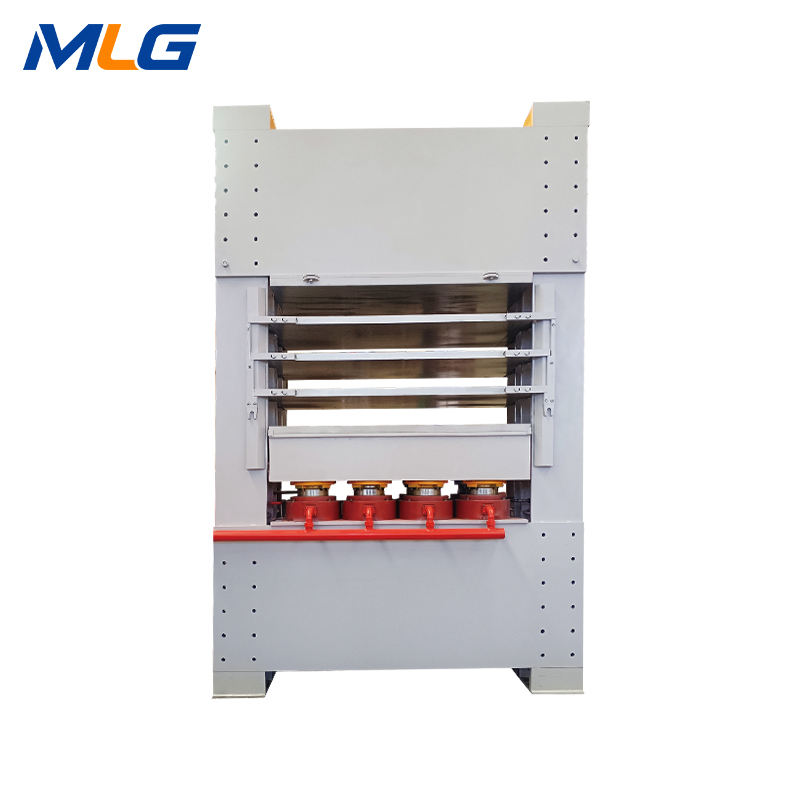
Knife grinding machines are essential tools in the manufacturing and woodworking industries, designed to sharpen and maintain the cutting edges of various blades. As a B2B buyer, understanding the specifications, costs, installation, and common issues associated with knife grinding machines is crucial to make informed purchasing decisions. This article will provide insights into sourcing high-quality MLG mdf laminating machine, cost considerations, installation guidance, common operational problems, and their applications across different industries. 

Understanding the Cost Factors of Knife Grinding Machines

The cost of knife grinding machines can vary significantly based on several factors, including the type of machine, its specifications, and additional features. Key cost considerations include: 

Machine Type: Manual, semi-automatic, and fully automatic machines have different price points. Fully automatic machines tend to be more expensive but offer efficiency and precision. 

Specifications: The size, power, and grinding capabilities of the machine will influence its cost. For instance, mdf board making machine designed for industrial use may require more robust components, increasing the price. 

Customization Options: If your business has specific needs, customization can add to the cost. Discussing your requirements with the manufacturer can help you understand the potential implications on pricing. 

Shipping and Import Duties: If sourcing from overseas, factor in shipping charges and possible import duties, which can significantly affect the overall cost. 

Understanding these factors can help you budget effectively and negotiate better terms with suppliers.

Installation Guidance for Efficient Knife Grinding Machine Setup

Proper installation of knife grinding machines is crucial for optimal performance and longevity. Here are steps to ensure efficient setup: 

Site Preparation: Ensure the installation site is level, clean, and has adequate power supply. The area should be spacious enough to accommodate the machine and allow for safe operation. 

Follow Manufacturer Guidelines: Adhere to the installation manual provided by the manufacturer. This includes following electrical requirements and safety protocols. 

Calibrate the Machine: After installation, calibrate the machine to ensure precision in sharpening. This may involve setting the grinding angle and checking the alignment of the grinding wheel. 

Train Operators: Provide thorough training for operators on how to use the machine safely and efficiently. This includes understanding the controls, maintenance needs, and troubleshooting common issues. 

By following these steps, you can ensure that your knife grinding machine operates effectively, enhancing productivity and safety in your operations.

Common Problems with Knife Grinding Machines and Their Solutions

Despite their robustness, knife grinding machines can encounter operational issues. Here are some common problems along with potential solutions: 

Overheating: This can occur if the grinding wheel is too abrasive or if the machine is operated at too high a speed. Regularly check the wheel specifications and adjust the speed settings as needed. 

Inconsistent Grinding: This may result from misalignment of the grinding wheel or incorrect calibration. Regular maintenance checks and recalibration can help mitigate this issue. 

Vibration and Noise: Excessive vibration can indicate issues with the mounting or balance of the grinding wheel. Ensure all components are securely fastened and consider using vibration-dampening mounts. 

Wear and Tear: Regularly inspect the machine for wear, particularly on grinding wheels and belts. Replace worn components promptly to maintain performance. 

Addressing these common problems proactively can extend the lifespan of your knife grinding machine and maintain efficiency in your production processes.

Applications of Knife Grinding Machines in Various Industries

Knife grinding machines serve critical roles in numerous industries, primarily where precision cutting tools are essential. Key applications include: 

Woodworking: In the woodworking industry, knife grinding machines are used to sharpen blades for saws, planers, and jointers, ensuring clean cuts and improving product quality. 

Food Processing: In the food industry, these MLG machines are essential for maintaining sharpness in cutting tools used for slicing, dicing, and processing food products, which is crucial for food safety and hygiene. 

Metal Fabrication: Knife grinding machines are also used to sharpen cutting tools in metal fabrication, helping to maintain precision and efficiency in machining processes. 

Textile Manufacturing: In the textile industry, maintaining sharp cutting tools is essential for achieving clean cuts on fabrics, which directly impacts the quality of the final products. 

Understanding the specific applications of knife grinding machines in your industry can help you select the right machine that meets your operational needs effectively. 

By considering these aspects—source quality, cost factors, installation guidance, common issues, and industry applications—you can make informed decisions in acquiring a mdf sanding machine that enhances your operational efficiency and product quality.

Where to Source High-Quality Knife Grinding Machines Wholesale

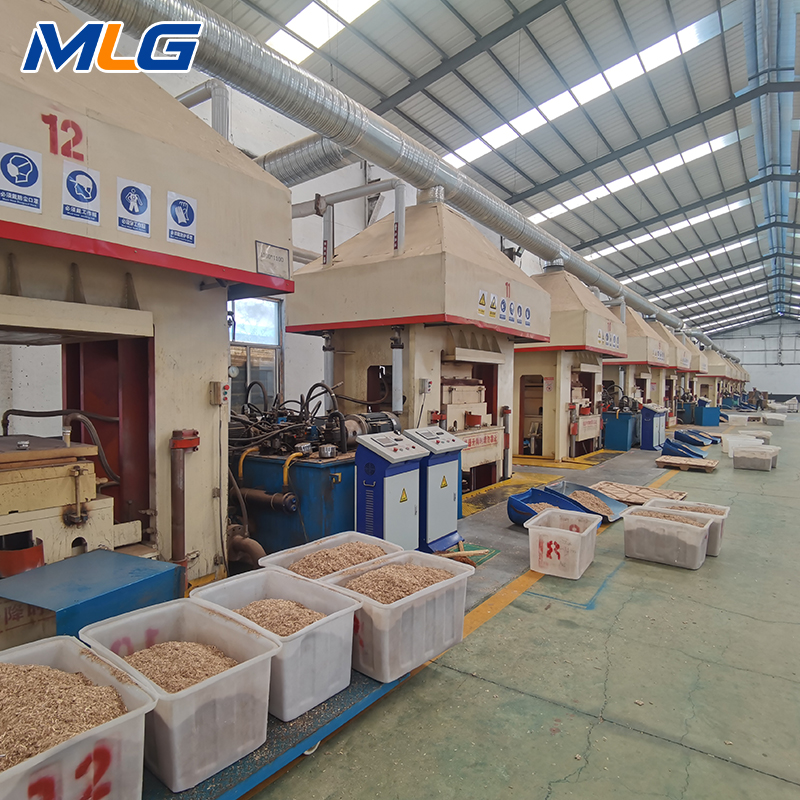
When sourcing MLG knife grinding machines, it’s important to consider several factors to ensure you receive a high-quality product. Start by identifying reputable manufacturers with a solid track record in the industry. Companies like Shandong Menglianggu Machinery, which specializes in manufacturing machinery for wood-based panel production, are known for their expertise in this area. Look for suppliers that offer a comprehensive range of products, including various models tailored to different sharpening requirements. 

Additionally, consider the following sourcing tips: 

Evaluate Certifications: Ensure that the manufacturer complies with international quality standards, which can be a marker of reliability. 

Check Client References: Reach out to other businesses that have purchased from the supplier to gauge their satisfaction. 

Request Samples: Before making bulk purchases, ask for samples to assess the quality and performance of the machines. 

By following these steps, you can find a reliable source for knife grinding machines that meets your operational needs.

Get a Free Quote

Our representative will contact you soon.
0/1000