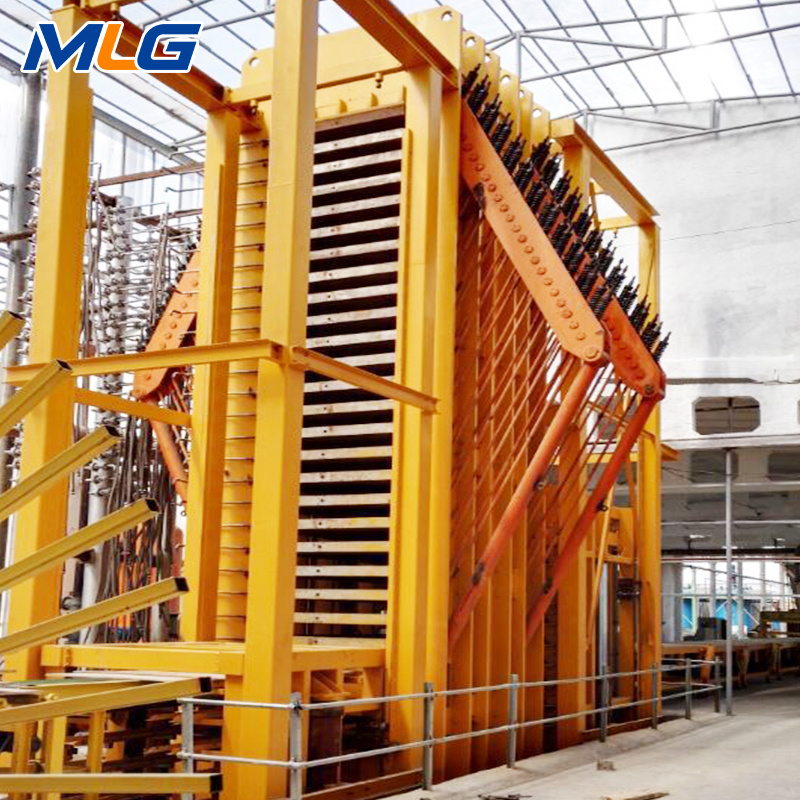
Choosing OSB Manufacturing Equipment for Efficiency

application/osb-manufacturing-equipment, application/osb-manufacturing-equipment, 
Inquiry
Inquiry

Osb manufacturing equipment

Choosing the right OSB manufacturing equipment is crucial for companies in the wood-based panel industry aiming to optimize production efficiency and product quality. As a manufacturer specializing in complete wood-based panel production lines, including OSB, understanding the needs and concerns of B2B buyers is essential. This article will guide you through the key considerations for selecting OSB manufacturing equipment, comparing options, understanding cost factors, troubleshooting common issues, and recognizing versatile applications in construction and beyond.  

How to Compare OSB Manufacturing Equipment for Bulk Orders

When comparing OSB manufacturing equipment, especially for bulk orders, it’s essential to evaluate various parameters that directly affect performance and cost. Here are key aspects to consider: 

Technical Specifications: Review the technical specifications of each machine, including power consumption, speed, and technology used ( hydraulic vs. mechanical presses). Understanding these specifications helps gauge the efficiency and suitability of the equipment for your specific needs. 

Supplier Reputation and Support: Consider the reputation of the manufacturers. Established suppliers like Shandong Menglianggu Machinery offer technical support and factory design services, making them reliable partners for your osb production line equipment needs. Look for reviews, case studies, and testimonials from other businesses in your industry. 

Cost Considerations: Analyze not only the initial purchase price but also the total cost of ownership, including maintenance, energy consumption, and potential downtime. A lower upfront cost may translate to higher long-term expenses if the equipment is less reliable or efficient. 

Lead Times and Availability: Ensure that the suppliers can meet your timelines for bulk orders. Delays in equipment delivery can significantly impact your production schedules. Confirm lead times and availability with potential suppliers before making a commitment. 

Warranty and After-Sales Service: Evaluate warranty terms and after-sales support. A solid warranty can mitigate risks associated with equipment failure, while responsive customer service ensures that any issues are addressed promptly. 

By methodically comparing these elements, you can make a more informed decision when investing in OSB manufacturing equipment. 

Understanding the Cost Factors of OSB Production Machinery

The cost of OSB production machinery can vary widely based on several factors that influence both the initial purchase and long-term operational expenses. Key cost factors include: 

Equipment Type and Technology: Different types of machinery (continuous vs. batch processing) and their technological sophistication (automation levels, control systems) will affect pricing. Advanced technologies may require higher upfront investments but can lead to cost savings through increased efficiency and reduced labor costs. 

Material Costs: The choice of materials used for construction and components of the machinery directly impacts cost. High-quality materials may lead to a higher initial investment but can enhance durability and reduce maintenance costs over time. 

Custom Features: Customization options can significantly affect the price. While standard machines may be less expensive, investing in tailored solutions that meet specific production needs might yield better long-term results. 

Installation and Training: Don’t overlook the costs associated with installation and operator training. Proper installation ensures that the equipment functions optimally, while training minimizes the risk of operational errors that could lead to costly downtime. 

Ongoing Maintenance: Include maintenance costs in your budget. Regular maintenance is essential for keeping machinery running efficiently and can vary based on the complexity of the equipment and the availability of spare parts. 

Understanding these cost factors will help you budget effectively and choose machinery that aligns with your financial constraints while meeting your Continuous Press Production Line needs. 

Common Problems in OSB Manufacturing and Their Solutions

OSB manufacturing can present several challenges that may affect production efficiency and product quality. Here are some common problems and practical solutions: 

Material Quality Issues: Variability in wood quality can lead to inconsistencies in OSB panels. To mitigate this, implement strict quality control measures during raw material procurement and establish a reliable supplier network. 

Equipment Downtime: Frequent breakdowns can disrupt production schedules. Regular maintenance, prompt identification of wear and tear, and having a robust spare parts inventory can minimize downtime. Consider using predictive maintenance technologies that help forecast potential equipment failures. 

Inadequate Pressing: Insufficient pressure during the pressing stage can result in weak panels. Ensure that your pressing equipment is calibrated correctly, and regularly monitor pressure settings to maintain the desired quality. 

Moisture Content Management: Improper moisture content in the wood can lead to defects in the OSB. Invest in moisture control systems and conduct regular testing to ensure that the wood meets specified moisture content levels before processing. 

By addressing these common issues proactively, manufacturers can enhance the quality of their OSB products and optimize production efficiency. 

Versatile Uses in Construction and Beyond

OSB is widely recognized for its versatility and strength, making it a popular choice in various applications beyond just construction. Some notable uses include: 

Structural Applications: OSB is commonly used in flooring, wall sheathing, and roof decking due to its structural integrity and cost-effectiveness compared to plywood. 

Furniture Manufacturing: The durability and aesthetic versatility of OSB make it suitable for furniture production, including tables, shelves, and cabinets. Manufacturers can leverage custom finishes to enhance the appearance of OSB furniture. 

Packaging Solutions: OSB can be used in creating sturdy packaging solutions for shipping and storage, offering an eco-friendly alternative to traditional materials. 

DIY Projects: With the rise of the DIY movement, OSB is increasingly popular among hobbyists and professionals for various projects, from garden furniture to custom storage solutions. 

Soundproofing Applications: When combined with other materials, OSB can contribute to soundproofing in residential and commercial buildings, making it valuable in multi-family housing and office environments. 

Understanding these diverse applications not only helps manufacturers tailor their products to meet market demands but also opens new avenues for sales and revenue generation. 

By keeping these guidelines in mind and leveraging the expertise of established manufacturers like Shandong Menglianggu Machinery, you can strategically navigate the complexities of OSB manufacturing equipment selection and maximize your production capabilities. 

Choosing the Right OSB Manufacturing Equipment for Your Needs

When selecting OSB manufacturing equipment, it is essential to consider several key factors related to production capacity, material specifications, and process compatibility. The choice of osb machine can significantly impact the efficiency of your production line and the quality of the final product. 

Production Capacity: Assess the volume of OSB you plan to produce. Equipment should be capable of meeting or exceeding your expected output without compromising quality. For example, if your operation requires high-volume output due to a large demand, investing in high-capacity presses and advanced drying systems will be essential. 

Material Specifications: The type of raw materials you intend to use can influence equipment selection. Different wood species and sizes may require specific handling and processing capabilities. Ensure that the machinery can accommodate the thickness and density of your desired OSB panels. 

Process Compatibility: Evaluate the compatibility of equipment with your existing production line. Upgrading to new machinery should enhance, not disrupt, your current workflow. Consider whether the new equipment can integrate seamlessly with your existing systems or if additional modifications will be necessary. 

Customization and Features: Look for equipment that offers customization options to cater to your specific product requirements. Features such as automatic thickness adjustment and advanced control systems can greatly enhance production flexibility. 

By carefully assessing these factors, you can ensure that the OSB manufacturing equipment you choose aligns with your operational goals and technical requirements. 

Get a Free Quote

Our representative will contact you soon.
0/1000