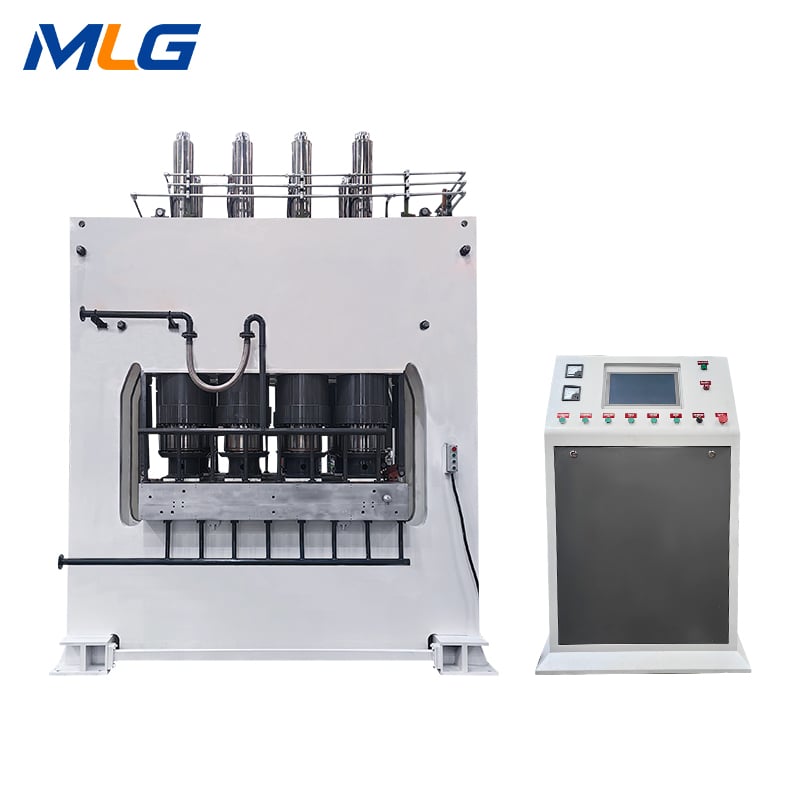
Hydraulic Hot Press for Plywood: Key Specifications

application/hydraulic-hot-press-for-plywood, application/hydraulic-hot-press-for-plywood, 
Inquiry
Inquiry

Hydraulic hot press for plywood

Hydraulic hot presses are essential machines used in the manufacturing of plywood and other wood-based panels. They apply heat and pressure to bond layers of materials, ensuring a strong and durable final product. For B2B buyers, understanding the specifications, pricing, and applications of hydraulic hot presses is crucial to making informed purchasing decisions. This article aims to clarify these aspects, helping purchasing managers, distributors, and engineers select the right hydraulic hot press for their needs. 

How to Choose the Right Hydraulic Hot Press for Your Needs

Selecting the right hydraulic hot press requires a thorough assessment of your production requirements. Start by evaluating the following: 

Production Volume: Determine the expected production volume to choose a machine that can meet your demands. Higher volumes may require larger presses with faster cycle times. 

Material Types: Different wood species and adhesive types may necessitate specific machine configurations. Discuss your material requirements with potential suppliers to ensure compatibility. 

Space Constraints: Assess the available floor space in your facility. The hot press hydraulic come in various sizes, and it's crucial to select one that fits within your production area without compromising workflow. 

Customization Needs: If your production involves specific panel sizes or thicknesses, inquire about customization options. Many manufacturers, including Shandong Menglianggu Machinery, offer tailored solutions to meet unique requirements. 

Supplier Support: Evaluate the level of technical support and service provided by the manufacturer. A reliable supplier will assist with installation, training, and ongoing maintenance. 

Budget Constraints: Consider the total cost of ownership, which includes not just the initial purchase price but also operational costs, maintenance, and potential downtime. 

What to Look for in Hydraulic Hot Presses

When scrutinizing hydraulic hot presses, buyers should pay attention to the following features: 

Build Quality: Assess the materials used in construction, as high-quality steel and components lead to greater durability and reduced wear over time. 

Control Systems: Advanced control systems with user-friendly interfaces can enhance operational efficiency. Look for features such as programmable settings and automated diagnostics. 

Safety Features: Ensure the machine is equipped with safety mechanisms to protect operators, such as emergency stop buttons and safety guards. 

Energy Efficiency: Energy-efficient models can significantly reduce operational costs. Look for automatic hot press machine designed to minimize energy consumption while maintaining performance. 

Maintenance Access: Machines designed for easy maintenance can help reduce downtime. Look for features that allow easy access to critical components for routine checks and repairs. 

Understanding Hydraulic Hot Press Pricing for Distributors

Pricing for hydraulic hot presses can vary widely based on several factors: 

Specifications: Higher tonnage and advanced features typically command higher prices. Assess which specifications are necessary for your production needs to avoid overpaying for unnecessary capabilities. 

Customization: Custom-built machines may incur additional costs. Discuss your specific requirements with the manufacturer to receive an accurate quote. 

Brand Reputation: Established manufacturers with a proven track record often charge a premium for their products. However, their machines may offer better reliability and support. 

Market Conditions: Fluctuations in raw material prices and demand can impact machine costs. Keep an eye on market trends for potential pricing shifts. 

Shipping and Installation: Consider additional costs related to shipping, installation, and commissioning. Some suppliers may offer these services as part of the purchase. 

Applications of Hydraulic Hot Press in Plywood Production

Hydraulic hot presses play a pivotal role in plywood production by facilitating the bonding of multiple wood layers. Here are some common applications: 

Plywood Manufacturing: The primary use of hydraulic hot presses is in the production of plywood, where layers of veneer are bonded under heat and pressure to create strong, stable sheets. 

Laminated Veneer Lumber (LVL): LVL production utilizes hydraulic presses to bond thin veneers together, creating a strong structural material used in construction. 

Cross-Laminated Timber (CLT): Hydraulic hot presses are essential for producing CLT, where layers of lumber are glued together in alternating directions, providing exceptional strength and stability for large-scale building projects. 

Particleboard and MDF Production: Beyond plywood, hydraulic hot presses are also utilized in the manufacture of particleboard and medium-density fiberboard (MDF), where wood fibers or particles are bonded with adhesives. 

Custom Laminates: For manufacturers producing custom laminate panels or products, hydraulic presses can be configured to accommodate specific thicknesses and materials. 

By understanding these applications, buyers can better identify how hydraulic hot presses will fit into their production processes and improve overall efficiency. 

Selecting the right hydraulic hot press for plywood production requires careful consideration of specifications, production needs, and supplier capabilities. By focusing on these factors, B2B buyers can make informed decisions that enhance their manufacturing processes and product quality. 

Key Specifications for Wholesale Buyers

When evaluating hydraulic hot presses for plywood production, wholesale buyers should focus on several key specifications: 

Pressure Capacity: The pressure range is critical, typically measured in tons. Standard presses operate between 50 to 1,500 tons, depending on the thickness and type of plywood being produced. Higher pressure levels ensure better adhesion among layers. 

Temperature Control: Accurate temperature settings are vital for effective bonding. Presses often feature digital controls that allow precise temperature management, usually ranging from 100°C to 200°C. Buyers should ensure that the hot press machine can maintain consistent temperatures throughout the pressing cycle. 

Heating System: Hydraulic hot presses may utilize different heating methods, including electric, steam, or thermal oil systems. Buyers should consider the energy efficiency and availability of resources in their region when selecting a heating method. 

Dimensions: The dimensions of the press should match the size of the plywood sheets being produced. Common sizes vary, and custom dimensions can often be requested to fit specific production needs. 

Cycle Time: This refers to the duration required to complete a pressing cycle. Faster cycle times can significantly increase production efficiency, making it an essential factor for high-volume manufacturers. 

Material Compatibility: The hydraulic press should be compatible with the specific adhesives and wood types being used, as this can affect the quality of the final product. 

Get a Free Quote

Our representative will contact you soon.
0/1000